
The Pakistani Chai Culture: More Than Just a Cup of Tea
"Exploring the Ritual, Relationships, and Rich Flavors Behind Pakistan’s Beloved Brew"

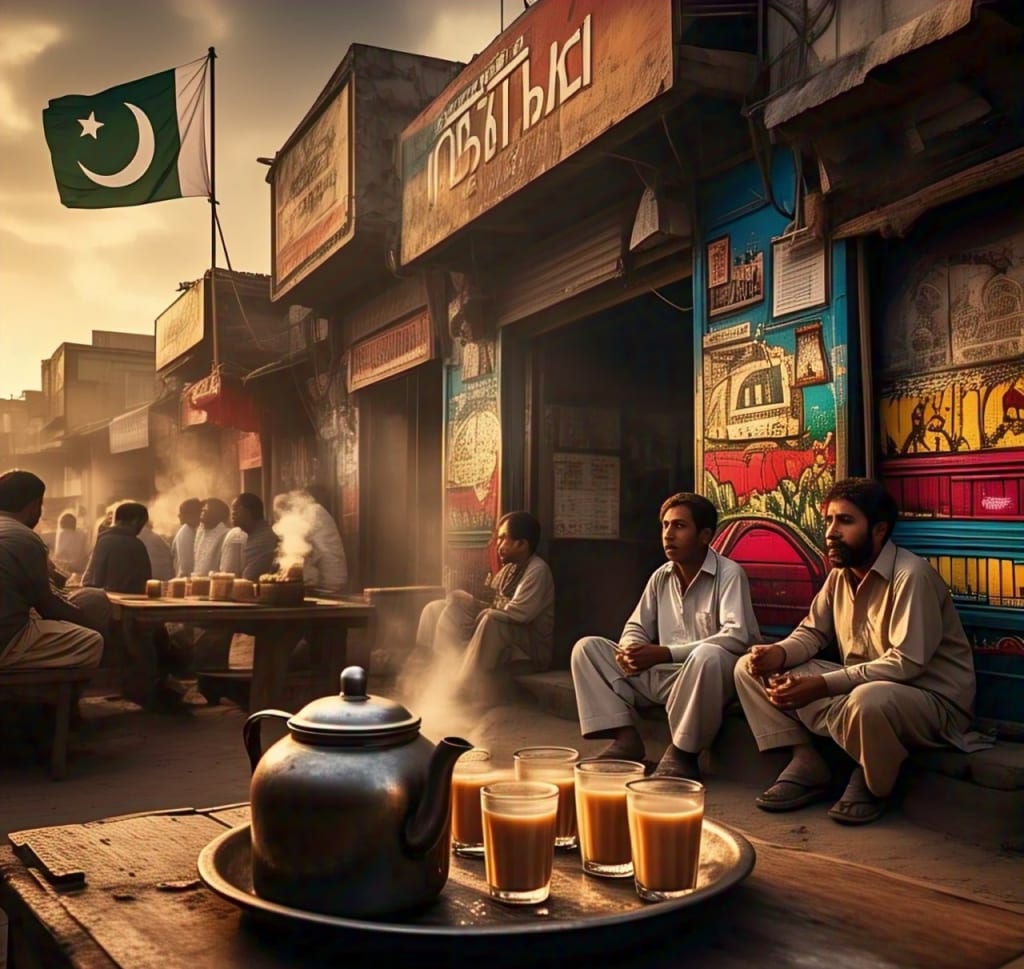
In Pakistan, chai is not just a beverage—it’s a tradition, a comfort, a social glue, and in many ways, a cultural identity. While tea is consumed globally, in Pakistan, it holds a sacred place in daily life. Whether you’re a laborer taking a break or a guest in someone's home, chai is almost always part of the picture.
Chai (the Urdu word for tea) transcends class, region, and religion. It's enjoyed in bustling city cafés and roadside dhabas, in affluent drawing rooms and modest village homes. Every cup tells a story, and every gathering seems incomplete without it.
The Ritual of Chai
The preparation of chai in Pakistan is more than just boiling water and tossing in a teabag. It’s an art form, honed over generations. Traditionally, Pakistani chai is made by brewing loose black tea leaves with water, milk, and sugar. Some versions are infused with spices like cardamom, cloves, cinnamon, or even a touch of saffron—each family has its own secret recipe.
The most popular types include:
- Doodh Patti: A rich, milky tea with no water, offering a creamy texture and strong flavor.
- Kashmiri Chai: A pink tea made with green tea leaves, baking soda, milk, and often garnished with crushed almonds or pistachios.
- sheen(poshto word) Chai: Flavored with aromatic spices, especially common in urban homes.
The process of making chai is often a quiet, meditative ritual. It involves patience—letting the tea simmer to perfection—and care, as each detail contributes to the final taste. In many ways, making chai is an act of love.
Chai as a Social Catalyst
In Pakistani culture, offering chai is a gesture of hospitality. When guests arrive, the first thing a host asks is, “Chai laen ge?” (Will you have tea?). It's not just polite; it’s expected. The preparation and sharing of chai become part of a broader tradition of connection. Conversations over chai often range from the mundane to the profound. Whether it's friends catching up after work, families discussing life at the dinner table, or students debating politics in a university canteen—chai is always there. It facilitates connection, eases tension, and invites openness. Even during serious discussions—like marriage proposals (rishtas) or business meetings—chai is served to break the ice. It symbolizes warmth, openness, and welcome.
Chai in Everyday Life
The chai dhaba (roadside tea stall) is a cultural institution in Pakistan. These humble spots are where life happens—truck drivers take a break, office workers decompress, and locals gather to share the latest news. The environment is often simple: mismatched stools, steel kettles, and steaming cups, but the atmosphere is rich with camaraderie.
In urban areas, chai cafés have emerged as trendy hangouts for the younger generation. Places like Chai Shai and Chai Kada have reimagined the traditional tea experience with modern aesthetics and Instagrammable vibes—yet the soul of the culture remains intact. For many Pakistanis, chai is also a moment of solitude. It's the early morning cup that wakes you up, the evening break after a long day, or the midnight companion during exam prep. It’s a daily pause—a moment to breathe.
Beyond Borders
Chai is so deeply rooted in Pakistani identity that it travels with the diaspora. Pakistani communities abroad have carried this tradition with them, opening chai spots in cities like London, Toronto, and New York. These places often serve as cultural hubs, offering a taste of home in foreign lands.
A Symbol of Resilience
Perhaps the most beautiful thing about Pakistani chai culture is its resilience. No matter the economic conditions, political turmoil, or social unrest, the kettle keeps boiling. It’s a simple pleasure that provides continuity and comfort amid change.
In the end, chai is not just about what’s in the cup. It’s about who you share it with, the stories told between sips, and the comfort it brings to a weary heart. In Pakistan, chai is more than tea—it’s a lifeline, a language, a way of life.
About the Creator
aadam khan
I am publishing different stories
Keep reading
More stories from aadam khan and writers in Pride and other communities.
Jane Austen: The Voice of Timeless Romance
Jane Austen is one of the most celebrated writers in English literature. Her novels, written more than 200 years ago, still capture the hearts of readers across the world. She is best known for her witty storytelling, keen observations of society, and unforgettable characters who feel as real today as they did in the early 19th century. Austen’s works are not only love stories but also sharp critiques of class, gender, and the choices people make in life.
By aadam khan4 months ago in Pride
“Friendship or Kindness”
The Court of Satan They were all five standing with their heads bowed. Satan’s disciples had captured them and brought them before the court of Satan. All five were confused, wondering what crime had led them to this dark place. The courtroom was silent, except for the occasional sinister laugh echoing from behind a black curtain.
By Sudais Zakwan4 days ago in Pride


Comments (1)
Chai in Pakistan sounds amazing. I love how it's a big part of daily life there, crossing all sorts of divides. The different types like Doodh Patti and Kashmiri Chai sound delicious. It makes me wonder how the taste compares to the teas we're used to here. And that hospitality aspect is really cool.