
Step into tradition: How Kerala's jewelry can transform your Onam celebration
Traditional ornaments of kerala
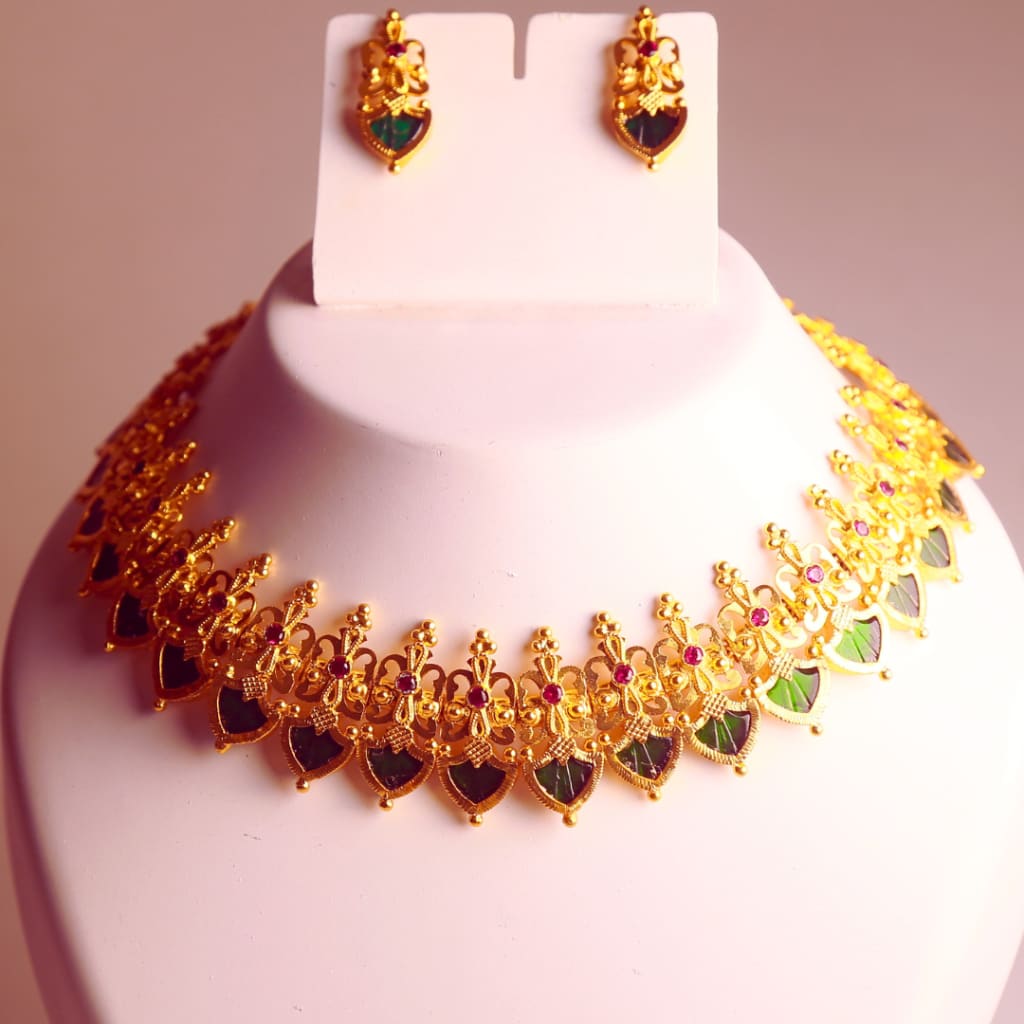
Kerala, known as "God's Own Country," is a land steeped in tradition, culture, and breathtaking beauty. From its lush green landscapes to its serene backwaters, Kerala has a unique charm that has fascinated travelers for centuries. But beyond its natural beauty, what truly sets Kerala apart is its rich cultural heritage, and nothing embodies this better than its traditional jewelry. Adorned by women across generations, these ornaments are not merely decorative but are deeply intertwined with the region's history, culture, and festivals, especially Onam.
History of Kerala’s traditional jewelry
Kerala's traditional jewelry has a history as rich and varied as the state itself. The designs are a blend of influences from various dynasties that ruled the region, including the Cheras, Pandyas, and Cholas. Each dynasty left its mark on the craftsmanship, resulting in jewelry that is intricate, ornate, and symbolic.
The roots of Kerala’s jewelry-making traditions can be traced back to the Sangam period (300 BCE - 300 CE), where gold was not just a symbol of wealth but also a medium for expressing art and spirituality. Over the centuries, the designs evolved, incorporating elements from nature, mythology, and local beliefs. The motifs often depict flora, fauna, and divine symbols, reflecting the deep connection between the people of Kerala and their environment.
Importance of traditional jewelry during Onam
Onam, the most celebrated festival in Kerala, is a time when tradition comes alive in its most vibrant form. It is during this ten-day harvest festival that Kerala’s traditional jewelry truly shines. Women, dressed in the quintessential cream and gold saree, or "Kasavu," adorn themselves with layers of gold jewelry, each piece narrating a story of cultural significance.
Jewelry during Onam is not just about ornamentation; it’s a way of connecting with the past, honoring ancestors, and celebrating the prosperity that the festival symbolizes. The jewelry worn during Onam includes several iconic pieces, each with its own unique significance:
Manga Mala: A necklace designed with mango-shaped pendants, symbolizing fertility and prosperity. It’s a must-have during Onam, as it is believed to bring good fortune.
Mulla Mottu Mala: Inspired by jasmine buds, this necklace is a delicate yet striking piece that adds elegance to any traditional outfit.
Palakka Mala: Featuring green stones set in gold, this necklace is a perfect blend of simplicity and opulence, making it ideal for the festive season.
Nagapadam: A snake hood-shaped pendant, traditionally worn to ward off evil, is now a popular piece during Onam for its unique design and protective symbolism.
Jhimkis: Traditional bell-shaped earrings that jingle with every movement, adding a playful yet graceful touch to the Onam attire.
Artisans behind the craft
The intricate designs and the high level of craftsmanship that goes into creating Kerala’s traditional jewelry are a testament to the skill and dedication of the artisans. These master craftsmen, often hailing from generations of jewelers, spend countless hours perfecting each piece. Their work is not just a profession but a passion, a calling passed down through the ages.
Most of these artisans work in small, family-owned workshops, using traditional techniques that have been preserved for centuries. However, with the advent of modern technology and changing consumer preferences, these craftsmen have also adapted, blending age-old techniques with contemporary designs to appeal to a broader audience.
Despite the changes, the essence of their craft remains rooted in tradition. The use of pure gold, the attention to detail, and the incorporation of cultural motifs are what make Kerala’s traditional jewelry stand out. It is this dedication to preserving heritage that keeps the art of jewelry-making alive in Kerala, even as the world around it changes.
Tradition meets modernity
In recent years, there has been a resurgence in the popularity of traditional Kerala jewelry, not just among the older generation but also among younger women who are drawn to its timeless appeal. However, today’s consumers are looking for versatility – jewelry that can be worn both during the festive season and on other occasions.
To meet this demand, jewelers have introduced contemporary twists to traditional designs. For instance, the classic Manga Mala is now available in lighter, more wearable versions, making it suitable for everyday wear. Similarly, the Mulla Mottu Mala is being crafted with semi-precious stones, giving it a modern edge while retaining its traditional charm.
Online platforms like Mayukhi Collection made it easier for people to access these beautiful pieces from anywhere in the world. They offer a curated selection of traditional Kerala jewelry that combines authenticity with modern design, allowing you to carry a piece of Kerala’s heritage with you, no matter where you are.
Inner call of tradition
There is something profoundly moving about Kerala’s traditional jewelry. It’s more than just gold and gemstones; it’s a connection to the past, a celebration of culture, and an expression of identity. Wearing these pieces during Onam or any other special occasion is not just about looking beautiful; it’s about feeling a deep sense of pride and belonging.
Whether you’re a native of Kerala or simply an admirer of its culture, donning a piece of traditional Kerala jewelry is a way to partake in a centuries-old legacy. So, as Onam approaches, perhaps it’s time to embrace this tradition, to adorn yourself with jewelry that tells a story – a story of prosperity, beauty, and timeless elegance.
For those looking to explore and add these stunning pieces to their collection, Mayukhi Collection offers an exquisite range of traditional jewelry, each piece crafted with the same love and care that has been the hallmark of Kerala’s artisans for generations. Let this Onam be an opportunity to not only celebrate the festival but also to celebrate the rich heritage that Kerala’s traditional jewelry represents.
About the Creator
Keep reading
More stories from writers in Pride and other communities.
The Life and Legacy of Harvey Milk
Harvey Milk was a trailblazing politician who became one of the first openly gay public officials in the United States and the first in California. During his rise, he showed society that gay people were involved in every facet of civic life, from taxes to the most mundane neighbourhood issues.
By Sam H Arnoldabout an hour ago in Pride
So You Decided To Become a Nurse Practitioner:
So you decided to become an "Advanced Practice" nurse. Congratulations!... is what I would say if this was a good idea. Grad school? In this economy? What were you thinking? Likely it was something along the lines of either 1) “I've seen these other chucklefucks do it— Why can't I?” or even 2) “I've got a nice career, I should shake it up. I miss feeling like I have no clue what I'm doing.”
By Sandor Szabo2 days ago in Fiction



Comments
There are no comments for this story
Be the first to respond and start the conversation.