
Perspectives On Pride
The Global Face of Pride; The Personal Power of Coming Out


Introduction
Embracing Identity, Unity, and Progress
Pride is much more than a colorful parade or a month marked on the calendar. It's a powerful symbol of the journey toward equality, acceptance, and celebration of diverse identities. From its historical roots in protest to its modern-day expressions of unity and joy, Pride embodies the resilience, strength, and spirit of the LGBTQ+ community and its allies. In this article, we'll explore various perspectives on Pride, its significance, the challenges it faces, and how it continues to evolve.
Understanding Pride: What Does It Mean?
Pride, in its most basic form, is about taking ownership of who you are without shame. For members of the LGBTQ+ community, Pride represents the freedom to be authentic, unapologetic, and visible. It's about self-acceptance and challenging societal norms that have historically marginalized LGBTQ+ individuals. But it's also about showing solidarity and fostering inclusiveness.
The History of Pride: From Protest to Celebration
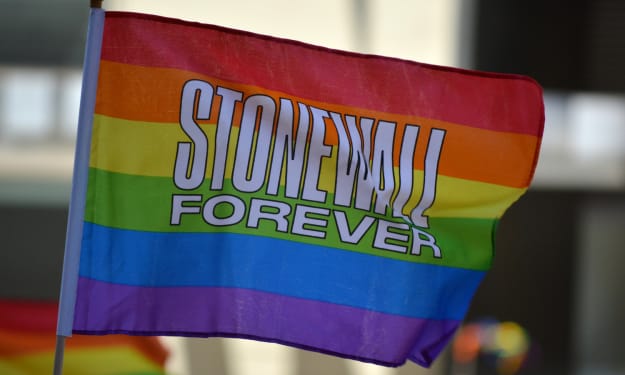
The modern Pride movement began with the Stonewall Riots in New York City in 1969. Stonewall wasn't the first act of resistance, but it was a turning point, sparking a wave of activism that continues today. Pride events, which initially were more about protest than celebration, have transformed over the years, though they still hold the spirit of resistance. This evolution is crucial in understanding why Pride is celebrated today.
The Importance of Pride Parades
Pride parades are perhaps the most visible symbol of the movement. They serve as public declarations of identity and freedom, giving people a space to express themselves without fear of discrimination. These parades bring together individuals of all backgrounds to celebrate diversity, making them powerful tools for visibility and unity.
Pride as a Personal Journey
For many, Pride is deeply personal. Embracing one's identity can be a challenging and lengthy journey, often accompanied by struggles with self-acceptance and social stigma. Each individual's journey to Pride is unique, shaped by their experiences, backgrounds, and cultures.
The Role of Allies in Pride
Pride isn't just for LGBTQ+ individuals. Allies play a vital role in fostering inclusivity, support, and understanding. Being an ally means actively supporting and advocating for LGBTQ+ rights, not just during Pride Month but year-round. Allies bring visibility to the movement, providing a bridge between LGBTQ+ and non-LGBTQ+ communities.
Pride Beyond the LGBTQ+ Community
Interestingly, Pride has inspired broader discussions on identity and self-acceptance outside of the LGBTQ+ community as well. The message of Pride resonates with anyone who has ever felt marginalized, misunderstood, or pressured to hide who they are.
The Commercialization of Pride: A Double-Edged Sword
As Pride has gained visibility, it has also attracted corporate interest, with brands seeking to associate themselves with LGBTQ+ rights. While this has raised awareness and increased funding for LGBTQ+ causes, it has also raised concerns about "rainbow-washing," where companies profit from Pride without genuinely supporting the LGBTQ+ community.
Pride and Intersectionality
The LGBTQ+ community is incredibly diverse, encompassing people of different races, religions, genders, and socioeconomic backgrounds. Intersectionality in Pride is about recognizing and honoring these intersecting identities. People who experience multiple forms of discrimination - such as LGBTQ+ individuals of color - often face unique challenges, and the Pride movement has made strides to be more inclusive of these experiences.
The Role of Media in Shaping Perspectives on Pride
Media has played a significant role in shaping public perspectives on Pride, from positive representations of LGBTQ+ characters to educating the public on issues the community faces. However, there's also the risk of stereotypes and limited portrayals. A nuanced media representation helps create a more comprehensive understanding of the LGBTQ+ experience and the importance of Pride.
The Global Face of Pride
Pride looks different around the world. In some countries, Pride parades are a joyful celebration of freedom, while in others, they remain an act of bravery against discrimination. In regions where LGBTQ+ rights are still limited or non-existent, Pride can be a matter of life and death, underscoring the importance of global solidarity.
The Future of Pride
Pride has come a long way, but there's still progress to be made. The future of Pride involves continued advocacy for LGBTQ+ rights, particularly in areas where discrimination persists. Future Pride movements are likely to emphasize mental health, intersectionality, and the ongoing fight for equality.
Pride as a Platform for Activism
While Pride is a celebration, it's also a powerful platform for activism. It reminds society that LGBTQ+ rights are human rights. The movement isn't just about visibility but also about effecting real change, from policy reform to challenging harmful stereotypes.
The Personal Power of Coming Out
For many, coming out is one of the most profound experiences of Pride. It's a declaration of self-acceptance, often accompanied by vulnerability and courage. This journey reflects the core of Pride, showing that authenticity and visibility can be transformative.
The Role of Education in Shaping Perspectives on Pride
Education plays a critical role in changing perspectives and reducing prejudice. Schools and institutions that incorporate LGBTQ+ awareness programs contribute to a more inclusive society, helping future generations understand and embrace diversity from an early age.
Celebrating Pride Beyond the Month of June
While Pride Month is an essential time for visibility, the message of Pride isn't confined to one month. Embracing Pride all year round means supporting LGBTQ+ individuals and fostering an environment where everyone can be proud of who they are.
Conclusion: Pride as a Continuing Journey
Pride is a journey that extends far beyond parades and celebrations. It's about embracing one's true self, advocating for acceptance, and inspiring unity. As perspectives on Pride continue to evolve, so does the strength of the LGBTQ+ movement. Pride represents resilience, diversity, and the universal quest for equality - and that's something everyone can celebrate.
FAQs
Why is Pride important?
Pride empowers LGBTQ+ individuals to celebrate their identities and promotes acceptance and equality within society.
What role do allies play in Pride?
Allies provide support, advocacy, and visibility, helping to bridge gaps between communities and strengthen the movement for equality.
How has Pride changed over the years?
Pride has evolved from a protest-focused movement to a celebration of identity and diversity, though advocacy remains at its core.
What is "rainbow-washing"?
Rainbow-washing occurs when companies use Pride symbols for profit without genuinely supporting the LGBTQ+ community.
Can Pride benefit people outside of the LGBTQ+ community?
Yes, Pride's message of acceptance and authenticity can resonate with anyone who values diversity and self-expression.
About the Creator
Usama Shahid
In addition to the amazing Wizard of Oz, I'm heading to other magical storylands nearby. The canvas of my life has become blank, and I need words to fill it. I'll be tilting my head at windmills while the answers dance in the moonlight.
Keep reading
More stories from Usama Shahid and writers in Pride and other communities.
Why The Idea Of Identity Is Broken
Introduction In a world where identity shapes how we see ourselves and how others perceive us, the concept of identity itself often feels restrictive and inadequate. Whether defined by nationality, religion, gender, or profession, identity seems to simplify the complexity of who we are into narrow categories. But what if the way we approach identity is fundamentally flawed? This article explores the challenges of modern identity, its limitations, and how we might rethink what it means to truly be ourselves.
By Usama Shahidabout a year ago in Pride
The Pride Flag and the Diversion
For nearly a decade, the LGBTQIA Pride Flag rippled in the wind at Christopher Park, a kaleidoscope of color staked into the soil of America’s first national monument to LGBTQIA+ liberation. That flag came down this week. Federal officials, citing new guidance from the Trump Administration, silently lowered the rainbow flag from its pole across the street from the Stonewall Inn. The birthplace of the modern gay rights movement now flies only the United States flag.
By Tim Carmichael22 days ago in Pride



Comments
There are no comments for this story
Be the first to respond and start the conversation.