
Is japan lgbtq friendly
Is Japan LGBTQ+ Friendly? A Look at Culture, Laws, and Progress


When thinking of Japan, many envision a harmonious blend of ancient traditions and futuristic innovation. But for LGBTQ+ travelers and residents, a crucial question arises: Is Japan LGBTQ+ friendly? The answer, like much in Japan, is nuanced a mix of welcoming surfaces and underlying complexities. Let's explore the reality of LGBTQ+ life in the Land of the Rising Sun.
The Landscape of Acceptance: Public Perception vs. Private Reality
On the surface, Japan appears incredibly tolerant. Major cities like Tokyo, Osaka, and Kyoto boast vibrant LGBTQ+ districts, such as Shinjuku Ni-chōme in Tokyo one of the most concentrated gay nightlife areas in the world. Annual Pride events, though smaller than in some Western nations, are growing in visibility and attendance.
Japanese society generally values public harmony and privacy, which often translates to a "live and let live" attitude. Overt discrimination or hate speech in public is relatively rare compared to some countries. For travelers, this means you are unlikely to face open hostility for being visibly LGBTQ+. Many Japanese people are polite and service-oriented, ensuring a welcoming experience in hotels, restaurants, and shops.

However, this public tolerance often hinges on discretion. The concept of "honne" and "tatemae" your true feelings versus public behavior plays a significant role. LGBTQ+ individuals, especially locals, may feel pressure to keep their private lives separate from their work or family spheres to maintain social harmony. This can create an invisible barrier to full, open acceptance.
The Legal Framework: Progress and Gaps
Japan's legal stance on LGBTQ+ rights is where the gap between social tolerance and equality becomes most apparent.
The Progress:
No National Laws Criminalizing Homosexuality: Japan has never had colonial-era sodomy laws, and same-sex sexual activity has been legal since the late 19th century.
Growing Local Recognition: As of 2025, over 200 municipalities, including all major cities, offer some form of partnership certificate for same-sex couples. These certificates help couples secure certain rights in areas like housing, hospital visitation, and municipal services.

National Momentum: In 2023, Japan's parliament passed its first-ever national law aimed at promoting "understanding" of LGBTQ+ people to prevent "unfair discrimination." While criticized for being weak and vague, it marked a symbolic national-level acknowledgment.
The Significant Gaps:
No Nationwide Marriage Equality: Japan remains the only G7 country that does not recognize same-sex marriage nationally. Several court cases have ruled this lack of recognition as "unconstitutional," putting immense pressure on the government to change the law, but legislative action remains pending.
Lack of Comprehensive Anti-Discrimination Laws: There is no national law that explicitly bans discrimination based on sexual orientation or gender identity in employment, housing, or access to services. This legal uncertainty leaves many vulnerable.

Rigid Gender Recognition Laws: For transgender individuals, legal gender change is possible but requires a highly intrusive and criticized process, including sterilization, gender confirmation surgery, being unmarried, and having no children under 20.
Daily Life and Culture for LGBTQ+ in Japan
For Travelers:
Japan is consistently rated as one of the safest and most welcoming destinations for LGBTQ+ travelers in Asia. You'll find LGBTQ+-friendly bars, cafes, and events easily in big cities. Public displays of affection are generally minimal for all couples, so same-sex couples are unlikely to stand out negatively. Major hotel chains are professional and welcoming. Resources like Utopia Asia and Travel Gay list vetted friendly businesses.
For Residents:
The experience is more complex. While urban centers offer communities and support networks, coming out at work or to family can be challenging due to traditional expectations around marriage and children.

Representation in mainstream media is growing but often involves stereotypical or comic relief characters. However, positive signs are emerging: more public figures are coming out, and companies are increasingly adopting LGBTQ+-inclusive policies to attract diverse talent.
Signs of a Changing Japan
The tide is slowly but steadily shifting toward greater inclusion.
Corporate Advocacy: Major Japanese corporations like Panasonic, Sony, and Toyota now extend partnership benefits to same-sex couples. Many participate in Tokyo Rainbow Pride as sponsors.
Media Visibility: Popular shows and anime increasingly feature nuanced LGBTQ+ characters. The success of the Oscar-winning film Drive My Car, which featured a gay subplot, and the transgender-themed documentary The Journalist show changing narratives.

Grassroots Activism: A new generation of activists is using social media, litigation, and public campaigns to push for marriage equality and anti-discrimination laws with increasing effectiveness.
Recent polls consistently show that a majority of Japanese people, particularly the youth, support the legalization of same-sex marriage. This public support is a powerful catalyst for future legal change.
Challenges and Considerations
Regional Differences: Acceptance is highest in metropolitan areas. In rural towns and smaller cities, conservatism and lack of exposure can lead to a lack of understanding, though not necessarily hostility.

The "Family Unit" Ideal: Strong societal emphasis on traditional family structures can make life difficult for LGBTQ+ individuals who wish to live openly but face familial pressure to conform.
Silence Can Be Misinterpreted: The lack of loud opposition shouldn't always be mistaken for active support. The journey is moving from passive tolerance to active inclusion.
Conclusion: Cautiously Optimistic and Uniquely Japanese
So, is Japan LGBTQ+ friendly? It is a country of remarkable safety and surface-level tolerance, with a growing movement pushing for deeper, legal equality.
For visitors, Japan offers an incredibly rewarding, safe, and welcoming experience. For LGBTQ+ Japanese, the path is harder, but the future looks brighter than ever before. The nation is on a journey one that may not follow the Western model of activism but is carving its own path toward inclusion, shaped by its unique cultural principles of gradual change and social harmony.

The essence of the answer lies in this: Japan may not yet be a global leader in LGBTQ+ rights on paper, but its trajectory is positive. It is a place where you can experience awe-inspiring culture and kindness, while witnessing a society thoughtfully, if slowly, redefining what "harmony" means in the 21st century.
About the Creator
David Femboy
David here. Sharing my authentic femboy journey the outfits, the lessons, the life. For anyone exploring gender expression. Let’s redefine masculinity together. 💖
Keep reading
More stories from David Femboy and writers in Pride and other communities.
What percentage of americans are lgbtq
In recent years, conversations surrounding LGBTQ+ identity have moved from the margins to mainstream discourse, sparking curiosity about the actual size and composition of this community in the United States. "What percentage of Americans are LGBTQ+" isn't just a statistical question it's a window into evolving social attitudes, generational shifts, and the ongoing journey toward visibility and acceptance. This article explores the latest data, examines trends across demographics, and discusses what these numbers reveal about contemporary American society.
By David Femboy2 months ago in Pride
The Pride Flag and the Diversion
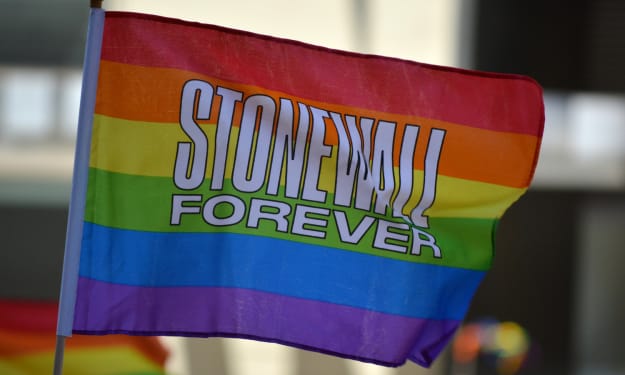
For nearly a decade, the LGBTQIA Pride Flag rippled in the wind at Christopher Park, a kaleidoscope of color staked into the soil of America’s first national monument to LGBTQIA+ liberation. That flag came down this week. Federal officials, citing new guidance from the Trump Administration, silently lowered the rainbow flag from its pole across the street from the Stonewall Inn. The birthplace of the modern gay rights movement now flies only the United States flag.
By Tim Carmichael18 days ago in Pride



Comments
There are no comments for this story
Be the first to respond and start the conversation.