
Is astolfo a femboy
Is Astolfo a Femboy? Decoding Anime's Most Iconic Gender-Bender

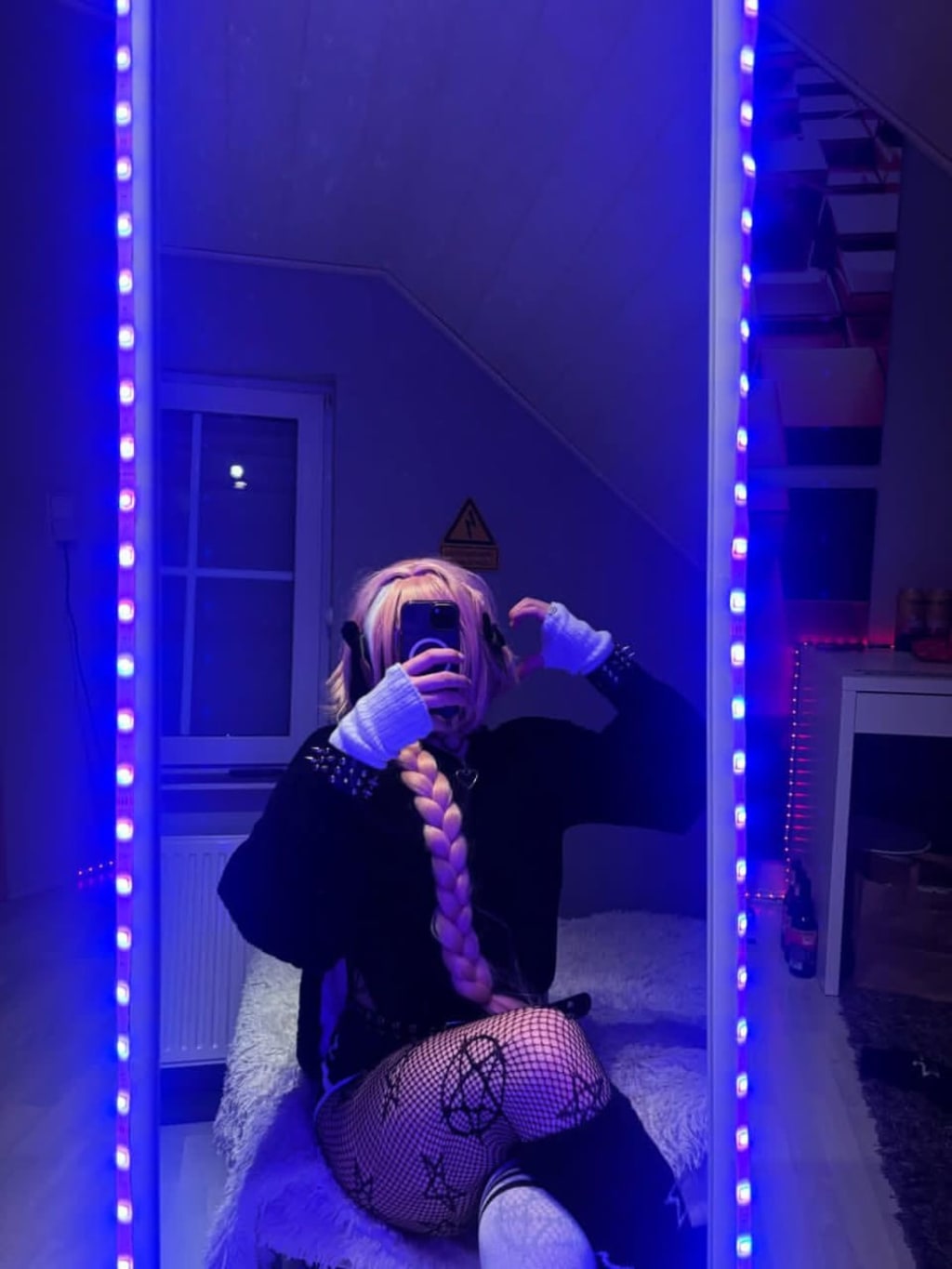
In the vast and colorful world of anime, few characters spark as much curiosity and debate as Astolfo from the Fate series. With their cheerful personality, knightly valor, and unmistakably feminine presentation, a single question perpetually follows them: Is Astolfo a femboy?
The short, community-driven answer is a resounding yes. Astolfo is widely considered the archetypal femboy in anime, a defining icon of the trope. But to truly understand why, we need to dive deeper beyond the memes and fan art into the nuances of character design, canon lore, and the very meaning of the label "femboy."
What Exactly is a "Femboy"?
First, let's define our terms. A femboy (a portmanteau of "feminine boy") is typically a male-identifying person who expresses themselves through traditionally feminine aesthetics clothing, mannerisms, and style while still identifying as male. It’s a presentation, not a gender identity. This is a crucial distinction from being transgender; a transgender woman is a woman, while a femboy is a boy who enjoys feminine expression.

This concept thrives in anime as a popular character archetype, often used for comedy, subversion, or simply to create visually unique and charming characters.
The Evidence: Why Astolfo Embodies the Femboy Archetype
Astolfo checks every box on the femboy checklist, both in appearance and canonical fact.
Explicitly Male in Canon: This is the most critical point. Across all Fate media including Fate/Apocrypha, Fate/Grand Order, and official material Astolfo is consistently referred to with male pronouns. Their character profile in Grand Order lists them as male. In a famous scene, when asked about their gender, Astolfo cheerfully confirms they are a "pretty boy" and that their master should "just think of [them] as a man." The narrative never wavers on this.
Hyper-Feminine Presentation: Astolfo's design is deliberately, joyfully feminine. They sport long, flowing pink hair styled with cute ribbons, large expressive eyes, and a slim, elegant build. Their outfit of choice is a frilly, midriff-baring pink and black ensemble with thigh-high boots a far cry from traditional masculine knight's armor. Their mannerisms are energetic, playful, and emotive, further aligning with feminine-coded expressions in anime.

The Classic "Reveal" Trope: Astolfo is the poster child for the "anime trap" or "gender-bender" trope, where a character's feminine appearance leads others to assume they are female, resulting in a comedic or shocking revelation. This trope is intrinsically linked to the femboy archetype in anime, and Astolfo's entire existence plays with and celebrates this confusion.
Beyond the Label: Astolfo's Deeper Character
Calling Astolfo just a "femboy" does them a disservice, as it reduces a complex character to a single trait. Their presentation is inseparable from their personality and narrative role.
A Knight of Unconventional Joy: Astolfo is a Paladin of Charlemagne, a heroic spirit of real legendary stature. Their femininity isn't a weakness but part of their chaotic, disarming charm. They are incredibly powerful, brave, and loyal, using their whimsical appearance to defy expectations on the battlefield.
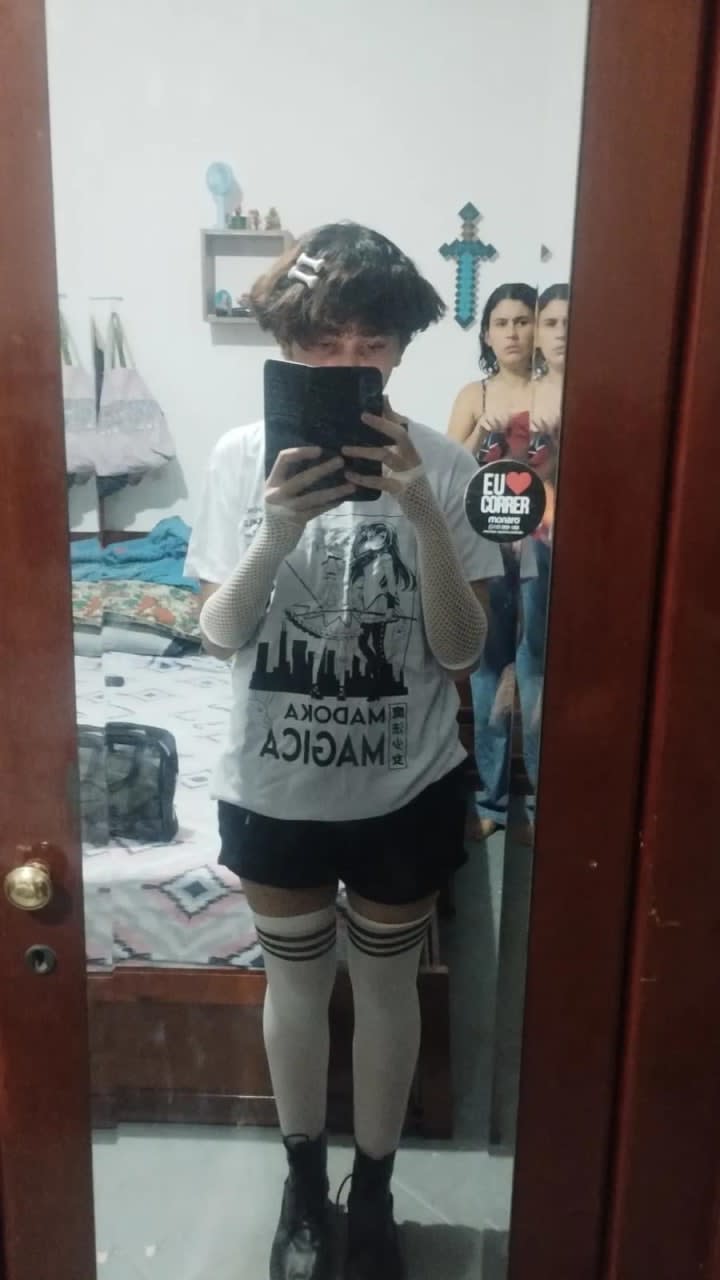
A Symbol of Freedom: Astolfo's character is fundamentally about rejecting societal constraints. In life, their legend involved being driven to madness by the world's irrationality. As a Servant, they now embody a carefree freedom from those rigid norms including strict gender presentation. They wear what makes them happy, fight for their master with gusto, and live with zero regard for what others think.
Gender Nonconformity as Strength: In a genre often filled with hyper-masculine heroes, Astolfo stands out. Their success as a warrior while presenting femininely challenges stereotypical links between strength, masculinity, and gender. It makes them memorable, unique, and beloved.
The Cultural Impact: Why Astolfo Matters
Astolfo didn't just become a femboy icon by accident. They represent a cultural shift.
Mainstreaming the Trope: Astolfo brought the femboy archetype from niche anime circles into the mainstream. They are one of the most recognizable faces of the Fate franchise, a global juggernaut. This visibility sparked wider conversations about gender expression in anime.

A Beacon for LGBTQ+ and GNC Fans: For many gender nonconforming, queer, and questioning fans, Astolfo is a rare and positive representation. They are a male character who is feminine, happy, powerful, and never portrayed as a joke for their identity alone. Their confidence is inspirational.
The Meme King: The internet, of course, amplified Astolfo's status. The iconic "Are you a boy or a girl?" memes cemented their place in online culture, ensuring their image and the questions around their gender reached a global audience.
Addressing the Controversies and Nuances
No discussion is complete without acknowledging the debates.
"Trap" is a Problematic Term: While the "trap" trope is historically linked to characters like Astolfo, the term itself is now widely considered derogatory and harmful, often used to invalidate transgender people. The community is rightly moving toward more accurate and respectful language like "femboy" or simply "gender-nonconforming character."
Interpretation vs. Canon: Some fans interpret Astolfo as non-binary or transgender, despite the male-coded canon. This is a valid form of engagement headcanon where fans find personal meaning in a character. However, distinguishing between personal interpretation and stated canon is important for clear discussion.

He's More Than a Label: Ultimately, Astolfo's greatest trait is their indefatigable spirit. They are a loyal friend, a brave hero, and a beacon of chaotic good. Their gender expression is a key part of that, but not the totality.
The Definitive Answer with Context
So, is Astolfo a femboy? By the most widely accepted definition within anime culture and based on clear canon evidence: Yes, absolutely.
Astolfo is a male-identifying character who deliberately and joyfully embraces a feminine aesthetic, making them the quintessential femboy of modern anime. But they are also so much more. They are a testament to the idea that strength, heroism, and identity are not bound by traditional presentation. They remind us that the most powerful freedom is the freedom to be oneself, unapologetically and with a smile.
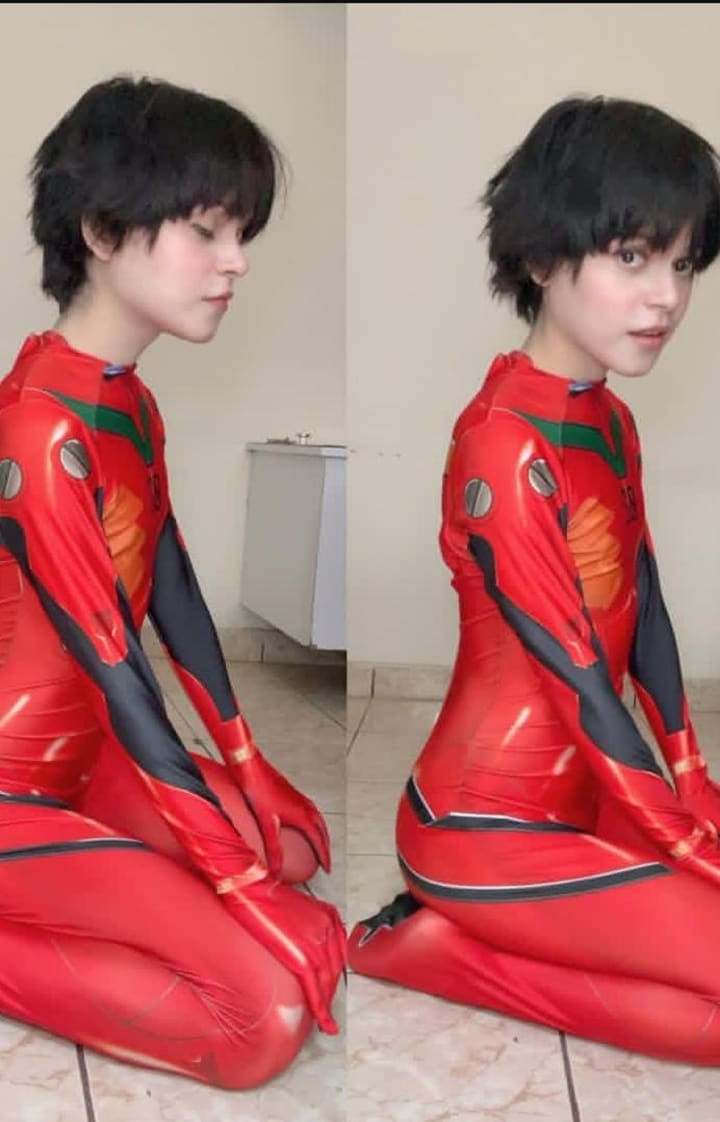
In a world obsessed with boxes and categories, Astolfo rides in on a hippogriff, ribbons flowing, and cheerfully obliterates them all. And that is precisely why they continue to capture our hearts and ignite our conversations.
About the Creator
David Femboy
David here. Sharing my authentic femboy journey the outfits, the lessons, the life. For anyone exploring gender expression. Let’s redefine masculinity together. 💖
Keep reading
More stories from David Femboy and writers in Pride and other communities.
How to draw femboy
The femboy aesthetic has become a vibrant and expressive part of contemporary character art, blending traditionally feminine presentation with masculine identity. Learning how to draw a femboy allows artists to explore a beautiful spectrum of gender expression, fashion, and personality. This guide will walk you through the foundational steps, style tips, and artistic considerations to create compelling femboy characters of your own.
By David Femboy3 months ago in Pride
The Pride Flag and the Diversion
For nearly a decade, the LGBTQIA Pride Flag rippled in the wind at Christopher Park, a kaleidoscope of color staked into the soil of America’s first national monument to LGBTQIA+ liberation. That flag came down this week. Federal officials, citing new guidance from the Trump Administration, silently lowered the rainbow flag from its pole across the street from the Stonewall Inn. The birthplace of the modern gay rights movement now flies only the United States flag.
By Tim Carmichael24 days ago in Pride



Comments
There are no comments for this story
Be the first to respond and start the conversation.