
Intersectional Mental Health Disparities
Among Trans People & Communities of Color


This is a researched opinion paper for a Social Services & Behavioral Health class, and I figured that I wanted to share it with the world. I believe that the points touched upon in this paper are valid, now more than ever in this political climate.
I grew up learning, sometimes the hard way, that your zip code, skin tone, and the letter that shows on your license gender marker can shape whether a therapist’s door ever opens for you. The American Psychiatric Association’s factsheets on LGBTQ mental‑health disparities and on racially and ethnically diverse populations confirm what lived experience already whispers: the playing field is tilted, and some of us are carrying extra weight uphill. But I can only speak from my points of privilege as a white trans masc presenting person.
The numbers are loud. Both transgender folks and people of color shoulder higher rates of depression, anxiety, and substance‑use struggles than straight, cisgender White peers. Doctors like to call that “prevalence,” but behind the jargon are sleepless nights, unfinished degrees, and families scrambling for resources that never seem close by. I know this from personal experience. On paper, the stats look similar, double the risk here, twenty percent gap in care there, but the reasons driving those figures twist in slightly different directions.
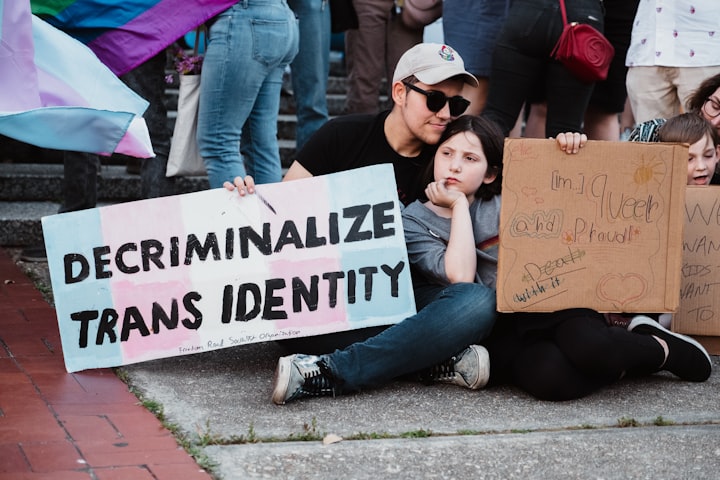
For trans people, the pain often starts with simple recognition. We enter clinics braced for misgendering, outright denial of service, or a price tag on hormone therapy that insurance won’t touch in some cases. Imagine telling a stranger your pronouns only to have them scribbled in quotes like a punch line. That constant guard‑up posture drains our mental reserve long before a diagnosis is stamped in a chart.
For communities of color, treatment barriers have thicker historical roots. Medical experiments on Black bodies, forced relocations of Indigenous nations, and immigration raids that linger in collective memory. Each fuels a mistrust that can outlive the original wound. A racially concordant therapist can be rarer than rain in the Mojave, and when language gaps or insurance deserts block the path, disorders don’t just appear more often, they stick around longer.
Both groups live under the weather system called minority stress: daily micro‑aggressions, hostile laws, the hum of “Do I belong here?” or "Can I trust them?" that never quite fades. That chronic stress keeps cortisol high and hope low, translating fear of violence or deportation into chest‑tight nights and panic attacks. I know this latter because of those in my found family who live with this daily. Even when we finally sit across from a provider, research shows we are more likely to be misdiagnosed. Black men tagged with schizophrenia when they are grieving, trans women are labeled personality‑disordered because their trauma doesn’t fit the textbook.
Where the two stories overlap most painfully is at their crossroads. A Black trans woman or a Two‑Spirit Indigenous youth lives under intersecting storms—racism braided so tightly with transphobia. Surveys clock suicide‑attempt rates approaching fifty percent in some of these communities, and those are just the ones reported. Housing discrimination, anti‑trans violence, and police profiling don’t take turns; they pile on together. Yet these same intersections also host fierce resilience: Black trans mutual‑aid networks, Two‑Spirit ceremonies reclaiming stolen traditions, Latinx chosen‑families raising bail and rent in the same breath. Again, I have witnessed all of this.
Why should anyone outside these circles care? Because health inequity is a mirror held up to our collective values. When entire groups are locked out of care, the cost doesn’t stay in those communities. It spills into emergency rooms, lost productivity, and intergenerational trauma that taxpayers end up funding anyway. Or in the case of our reality right now, defunded. More importantly, we lose the art, ideas, and leadership that thrive when minds are clear and affirmed. Knowing the similarities, higher burden, lower access, the grinding gears of stigma, helps us push for broad fixes like expanding Medicaid coverage and funding community‑based clinics or co-ops. See what I did there?
We tell these stories not to compete in the oppression Olympics, but to map where bridges belong. Every time a clinician learns the difference between affirming care and conversion therapy, or a policymaker funds a bilingual crisis line, the gradient flattens a little. And every time we celebrate the joy that survives in drag ball culture, powwow grounds, or Pride parades, we remind ourselves what all this advocacy is for.
In the end, mental health equity isn’t a niche issue; it’s the heartbeat of a society that plans to keep everyone alive and thriving. Recognizing both the shared struggles and specific scars of transgender communities and people of color, is the first step toward making that heartbeat steady. But that is just my opinion as a white trans dude with found family struggling through every level of systemic oppression.
About the Creator
C.M.Dallas
A chaotic trans creative with 15+ years of freelancing, I recently got my first degree. I spent my formative years before transition as a ghostwriter, and now I run a team of creative writers. I'm also queer and late diagnosed with AuDHD.
Keep reading
More stories from C.M.Dallas and writers in Pride and other communities.
The Topic of Gender-Affirming Care
Logical fallacies often tap into emotions to sway opinions. Fear-based fallacies, like the appeal to fear or the slippery slope fallacy, can create a sense of urgency or alarm by suggesting dire consequences if a particular action or viewpoint is not adopted. For example, in the context of gender-affirming care, an argument might falsely suggest that allowing such care for transgender youth will lead to irreversible harm or societal chaos, appealing to parental fears for their children's well-being.
By C.M.Dallas2 years ago in Pride
Danny Will Die Alone Takes Its Final Swipe
As queer dating comedies go, few have charted a journey as scrappy or as unapologetically honest as Danny Will Die Alone. Now, the hit original series is taking its final bow. The third and concluding season is streaming exclusively on Dekkoo, marking the end of a bold, messy, and fiercely relatable chapter in modern queer storytelling.
By Ben Nelson5 days ago in Pride



Comments (2)
You bring up some really important points about mental health disparities. It's crazy how things like zip code and skin tone can affect access to therapy. I've seen firsthand how difficult it can be for people to get the help they need. I wonder how we can work to level the playing field. Maybe more training for therapists on these issues? Also, how can we make mental health resources more accessible and affordable for everyone? It's something we should all think about.
You bring up some important points about mental health disparities. It's sad that things like zip code, skin tone, and gender marker can affect access to therapy. I've seen how insurance can be a huge roadblock, especially for trans people trying to get hormone therapy. How do you think we can break down these barriers and make mental health care more accessible for everyone? It's also eye-opening to learn about the different reasons behind these disparities for trans people and communities of color. The historical mistrust in communities of color is a big issue. What steps do you think need to be taken to build trust between these communities and the mental health system?