
‘Forgetting the Many: The Royal Pardon of Alan Turing’ Shines a Light on Untold LGBTQ+ Stories
The Powerful Documentary Premieres in NYC This Weekend

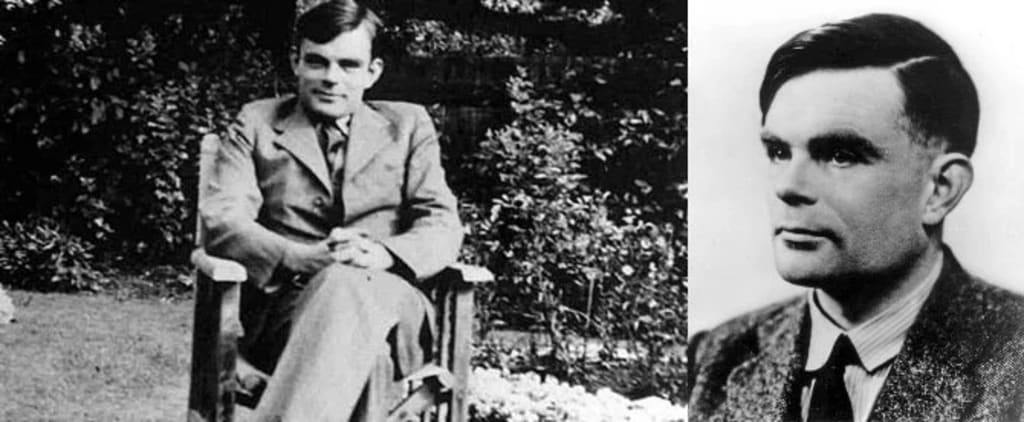
Forgetting the Many: The Royal Pardon of Alan Turing, the powerful documentary directed by acclaimed filmmaker Rosemarie Reed, opens at Cinema Village in New York City this weekend for a one-week run. The film delves into the life of Alan Turing, the legendary mathematician and cryptanalyst who played a crucial role in cracking Nazi codes during World War II. While Turing's contributions to the Allied victory and his posthumous pardon for his 1952 conviction for "gross indecency" are well known, Reed’s documentary goes further, highlighting the untold stories of the hundreds of other men whose lives were shattered under Britain’s anti-homosexuality laws.
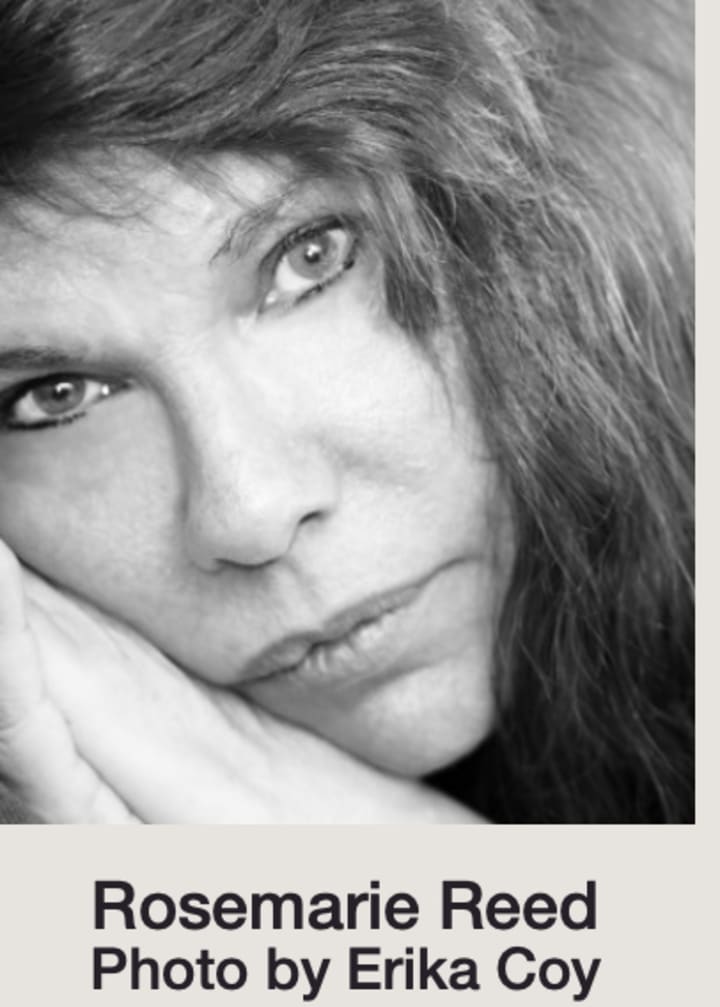
In an interview, Reed emphasized the importance of telling these overlooked stories. “Alan Turing deserved his pardon, but there were thousands of other men who were not as renowned. Does that mean they should be cast aside? Of course not,” she asserted. Reed’s film serves as a poignant reminder of the devastating consequences of institutionalized injustice. These men, many of whom lost their jobs, families, dignity, and careers, represent a silenced chapter of history. By bringing their stories to light, Forgetting the Many honors their struggles and ensures they are not forgotten.
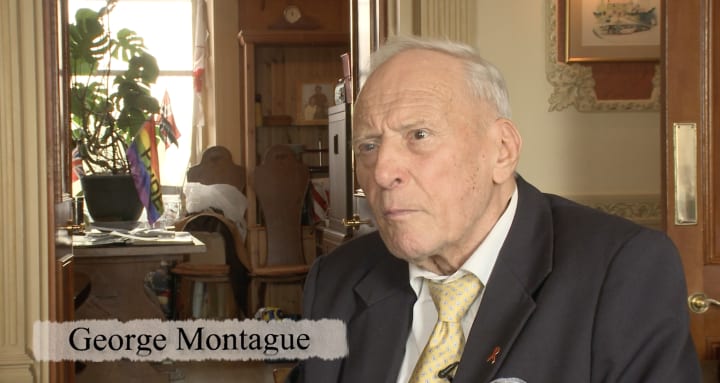
The documentary arrives at a time when LGBTQ+ rights remain under threat in various parts of the world. Reed hopes the film will resonate globally, particularly in countries where laws targeting LGBTQ+ individuals still exist. “I hope that when people see films like mine, they will understand how injustice destroys lives. But first, they must know the injustice exists,” she explained. Reed believes that awareness is the first step toward meaningful change, whether it’s advocating for policy reform or simply starting conversations that challenge prejudice.
For Reed, making this film was not only a professional endeavor but a deeply personal commitment. “What drew me to these men was their openness—their willingness to allow me into their homes and personal space to tell their stories.”
The trust these individuals placed in her became a “burden” she carried throughout the filmmaking process. “I lived with the men in my head for years and took the responsibility of telling their stories correctly, with dignity and passion, very seriously.”
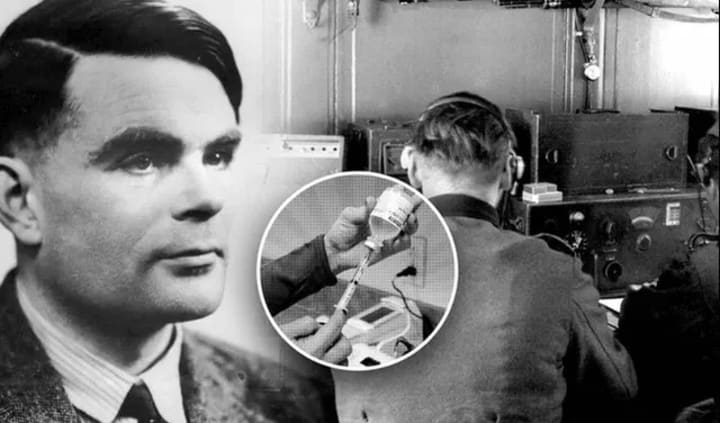
Reed’s research unearthed several surprises, one of which was a startling revelation about Turing’s death. Although his demise was ruled a suicide, Reed uncovered a different perspective. “The half-eaten apple found next to his bed was never tested for poison,” she noted. Turing, who worked with cyanide in his experiments, may have accidentally inhaled poisonous fumes or transferred traces to his mouth. “The coroner, biased by the belief that ‘men like Turing were unstable,’ made a leap in judgment,” she explained. For Reed, this finding further underscored the prejudice Turing faced in life and even in death.
While the film focuses on the past, its message is strikingly relevant today. Reed expressed concern about the fragility of freedom and democracy, particularly in light of rising political conservatism worldwide. When asked about the potential for similar laws targeting LGBTQ+ individuals in the United States, she acknowledged the danger but remained hopeful. “Freedom and democracy are fragile, as we are witnessing with the rise of the political right all over the world. Gains cannot be taken for granted. We must be conscious that anything can change,” she said. Her warning extends beyond LGBTQ+ rights, emphasizing that threats to freedom and democracy should alarm everyone.
Reed also sees Forgetting the Many as a call to action. She hopes the documentary will inspire audiences to remain vigilant in safeguarding human rights. “One must constantly be aware that rights gained—whether LGBTQ+, women’s, or minority rights—can easily be taken away. Stay awake,” she urged.
Through its unflinching exploration of the human cost of injustice, Forgetting the Many serves as both a tribute to the men whose lives were destroyed and a rallying cry for advocacy and awareness. It invites viewers to reflect on the fragility of human rights and their own role in ensuring such injustices never happen again.
Forgetting the Many: The Royal Pardon of Alan Turing opens at Manhattan's Cinema Village this weekend. For tickets, visit CinemaVillage.com
About the Creator
Keep reading
More stories from Ben Nelson and writers in Pride and other communities.
Transgender Awareness Week
As Transgender Awareness Week ends, I find myself reflecting on my journey, not just as a trans woman but as someone who has fought to elevate the voices of my community in a world often too ready to silence us. I’ve been blessed to call Miami Beach home, a city that embraced my authenticity and allowed me to grow into an activist, model, and proud advocate for LGBTQ+ equality. Receiving a Proclamation in 2021 from Commissioner Alex Fernandez, declaring November 30th “Lauren Foster Day,” was an incredible honor. But today, my joy is tempered by deep concern.
By Ben Nelsonabout a year ago in Pride




Comments (1)
Turing's treatment was disgusting and there are many in power today who would treat any non white non hetero non male the same way. Excellent article