
JAPAN’S MOST UNIQUE CELEBRATION OF CULTURE ON DISPLAY IN EVERY DISH AT KANZAWA’S DECORATED EATERY
-
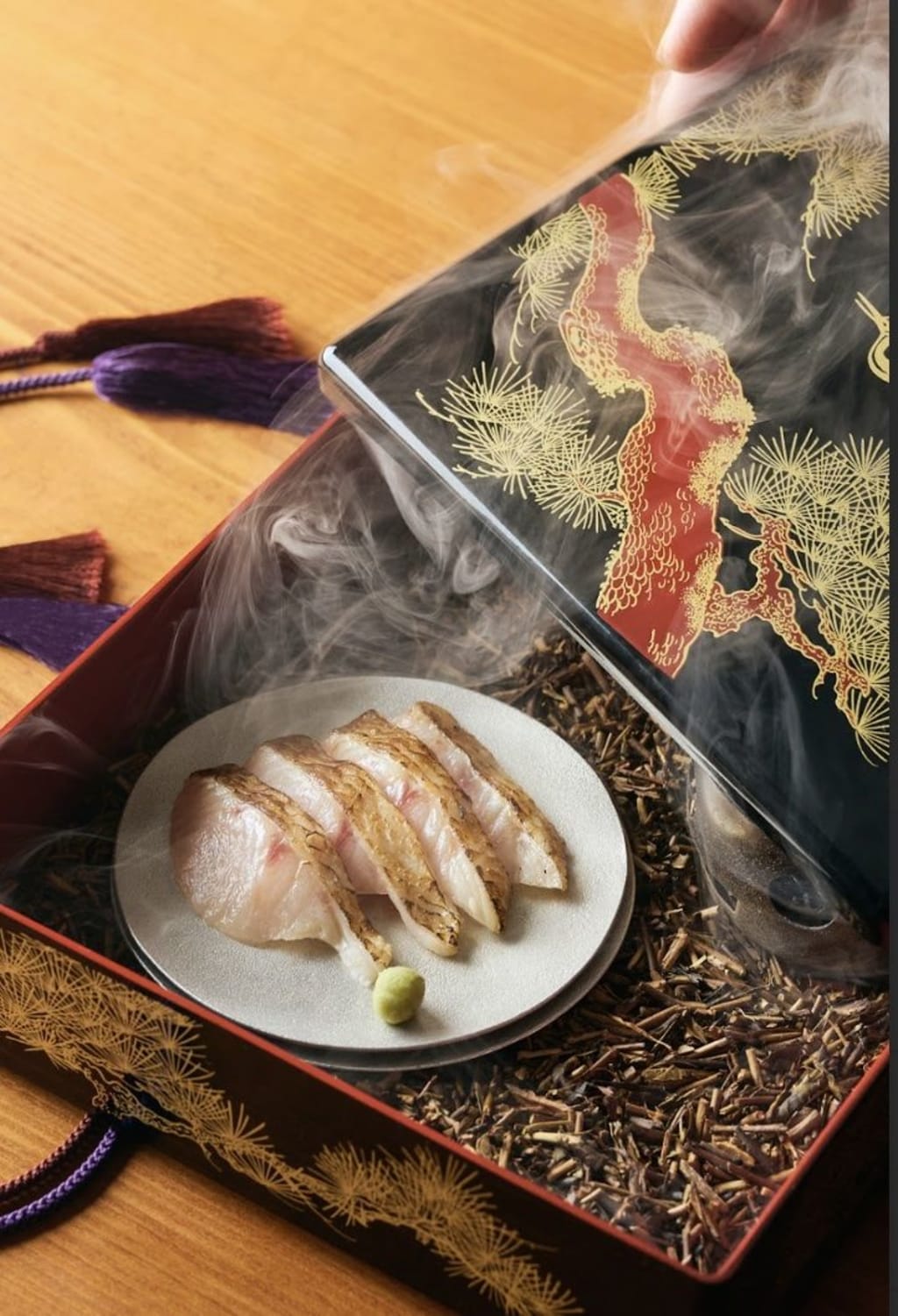
As old adages say, never save decadent items for special occasions as we know not what time may bring. At CRAFEAT, a restaurant celebrated for its craft-driven culinary philosophy, food is more than taste alone, it is a time-honored celebration day after day of Kanazawa’s most celebrated production- it’s unique lacquerware.
At CRAFEAT, owner Taya Shikki’s vision of creating a place where guests can directly touch and experience Wajima lacquerware is evident in every aspect, blending exceptional traditional cuisine and craft in a fusion like none other. It is an experience shaped by material, history, and intention for all to experience. On its first floor, guests find a craft shop framed and a hidden luxe counter bar while the second floor houses an eatery using the finest pieces in an intimate atmosphere ideal for a special celebration.
Guests eat here for the unique kind of pairings, that of the food and the lacquerware, enjoying dishes like sushi on a lacquer spoon, rare fish dishes served in lacquer tiered decorative boxes, and delicate clear soup served in dazzling gold lacquer bowls worth hundreds of thousands of Yen.
Even for locals living in Kanazawa, it’s rare to use lacquerware in everyday life. At CRAFEAT, guests can see, touch, and use pieces crafted by generations of Wajima artisans—transforming tableware into a sensory and cultural experience. The restaurant treats lacquerware not as something to be stored away for special occasions, but as a functional everyday companion, restoring its role in daily life.
At the same time, the broader lacquerware community includes artists whose personal journeys speak to the resilience of Wajima’s traditions. One of the most influential is Suzanne Ross, a London-born lacquer artist who spent decades training and working in Wajima. After the Noto Peninsula earthquake destroyed her home and studio, Ross relocated to Kanazawa, where she continues her practice and advocates for the preservation of Wajima’s techniques. Her ongoing work represents a vital link between past and future—carrying forward the intangible skills and values of the craft even amidst loss and rebuilding.
While CRAFEAT showcases lacquerware through cuisine and hospitality, Ross represents the individual artisan’s voice and dedication. Together, their stories highlight how Wajima lacquerware continues to evolve, endure, and inspire—remaining a living craft rooted in history yet carried forward through the hands and hearts of those who protect it.
Photo credit @CRAFEAT
About the Creator
Punishment for greed
Dear children, this is a moral story about fairness, wisdom, and the importance of sharing. In a small village lived an old farmer with his two sons, Ahmed and Muhammad. Ahmed was clever and sharp-minded, while Muhammad was innocent, simple, and not very intelligent. The farmer owned only three things: a cow, a fruit-bearing tree, and a warm blanket. Though these possessions were few, they were very valuable for the family’s daily life.
By Sudais Zakwana day ago in Pride


Comments
There are no comments for this story
Be the first to respond and start the conversation.