
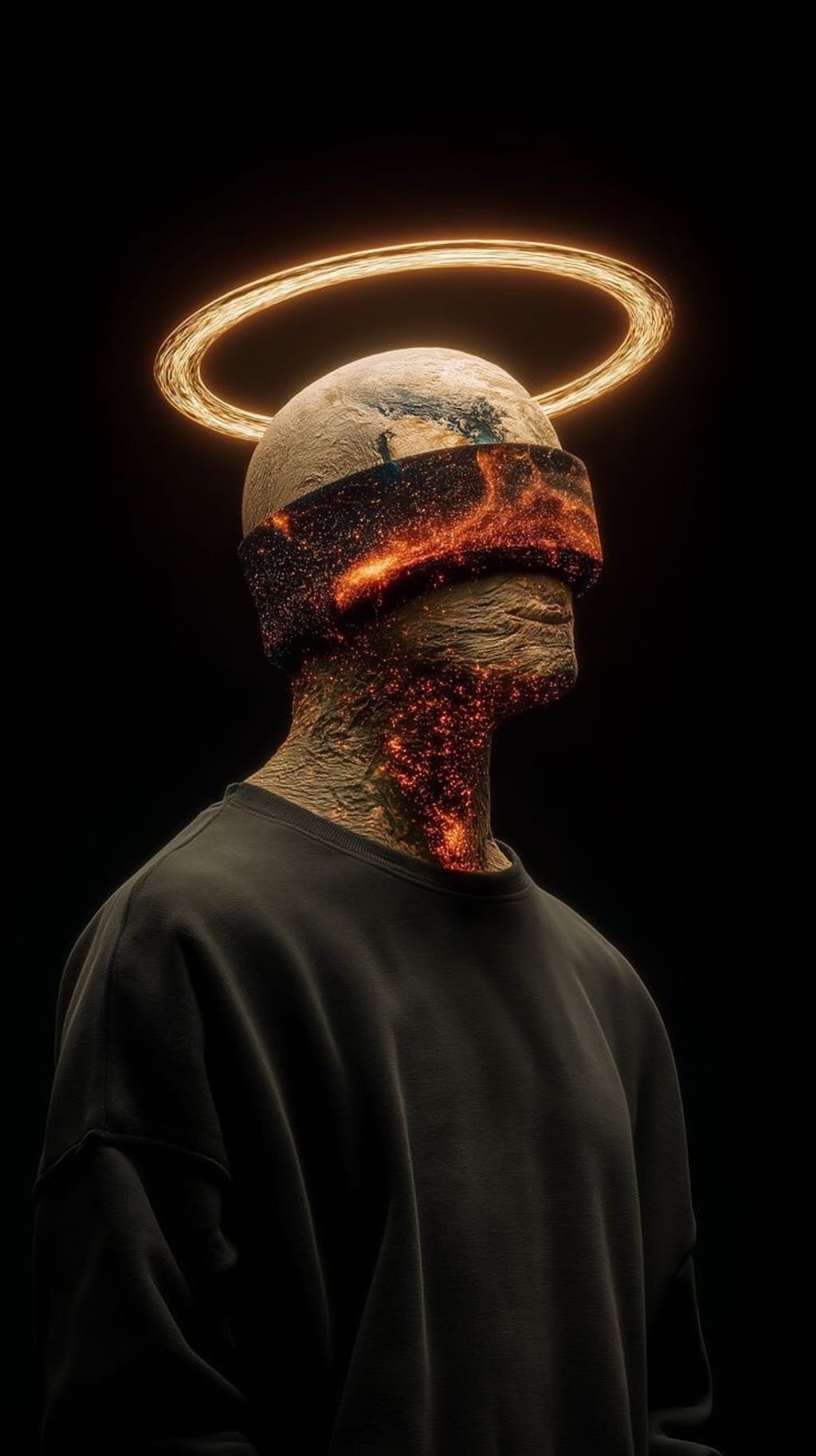
The Rise and Fall of Adrian Hale
Adrian Hale had always believed he was destined for something greater than an ordinary life. Even as a child, he would look at the sky with a strange confidence, convinced that the world would one day know his name. Most kids dream big, but Adrian’s dreams weren’t just fantasies—they were convictions. He didn’t hope to become extraordinary; he believed he already was.
By the time he reached adulthood, Adrian’s sense of self-importance had grown into something far beyond normal ambition. He didn’t just see himself as talented—he saw himself as a misunderstood genius trapped in a world too small to recognize him. He spoke often of his “future legacy,” even though he had not yet accomplished anything notable. His friends thought he was passionate, maybe a bit dramatic, but they never imagined how deeply he lived inside his own illusions.
Adrian decided to become a writer. Without any training, experience, or clear plan, he announced that he would publish “the greatest novel of the century.” He hadn’t written a single chapter, but he spoke about the book as if it were already celebrated worldwide. When his friends asked what the book was about, he said, “It’s too revolutionary to explain. You wouldn’t understand until you read it.”
He spent weeks writing, but instead of focusing on the story, he focused on interviews he wanted to give in the future, the awards he would win, and the speeches he would deliver to crowds of admirers. He even practiced signing autographs in front of his mirror. The fantasy was more real to him than the actual work.
His family tried to encourage him gently. “Just take your time,” his mother said. “Great things take effort.”
But Adrian heard something different. He interpreted her words as admiration: She already sees my greatness, he told himself. Everyone does—they’re just waiting for me to reveal it.
When he finally finished his manuscript, he sent it to several publishers with a note that read, “This book will redefine modern literature.” Most publishers didn’t respond at all, and the ones who did rejected it politely, explaining that the writing lacked structure, clarity, and direction.
Adrian refused to believe the rejections were about the book. Instead, he said the publishing industry feared his potential. “They know my work is too powerful,” he declared. “They want to keep me quiet because I’m a threat.”
His friends tried to tell him the truth—that writing requires revision and growth—but Adrian dismissed them as jealous or narrow-minded. One by one, they drifted away. It became difficult to spend time with someone who saw himself as superior to everyone else.
Still convinced he was extraordinary, Adrian moved on to new ambitions. He decided he would become a speaker, a leader, a visionary. He began posting long online monologues about success, greatness, and genius, even though he had achieved none of the things he preached about. His videos rarely received more than a few views, yet Adrian interpreted this as proof that the world “wasn’t ready” for him.
Deep down, however, cracks began to form in his confidence. At night, when he was alone, he felt a quiet fear—what if no one ever recognized him? What if the world simply didn’t care?
But every time the doubt appeared, Adrian buried it beneath new fantasies. Imagining himself on stage, imagining applause, imagining his name in history books. These illusions became his comfort, his escape, and eventually his prison.
One day, a former friend reached out and asked him to meet. She told him kindly, “Adrian, you don’t have to be a legend to have value. You’re enough as you are. But you need to come back to reality.”
For the first time, Adrian didn’t respond with anger. He simply looked down at his hands and whispered, “I don’t know how.”
It was the beginning—not of greatness—but of healing.
⸻
If you want, I can:
✨ shorten it or simplify the language
✨ make it more dramatic, sad, or inspirational
✨ write a new one with a different character or situation
✨ explain the psychological meaning of “delusions of grandeur” too
About the Creator
Keep reading
More stories from writers in Pride and other communities.



Comments (1)
You have used my pseudonym. Interesting AI story though :)