
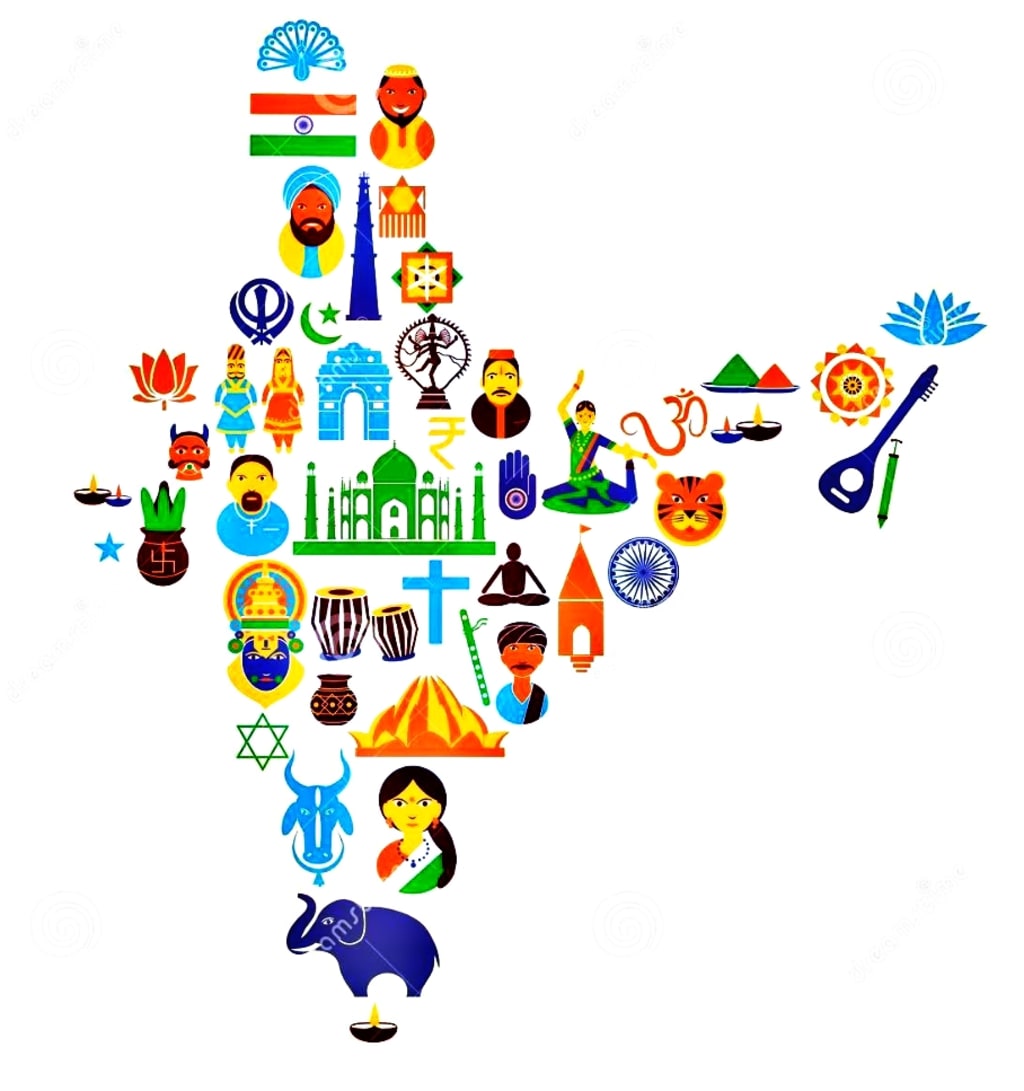
Once upon a time, in a land known for its vibrant colors, bustling streets, and rich history, lived a people who were proud of their culture and heritage. This land was none other than India, a country known for its diverse traditions, customs, and beliefs.
Indian culture is a beautiful tapestry woven from the threads of various religious and regional beliefs, each one adding its unique flavor to the fabric of society. From the north to the south, from the east to the west, India is a melting pot of languages, cuisines, and traditions that coexist harmoniously.
One of the most significant aspects of Indian culture is its reverence for spirituality and religion. Hinduism, Buddhism, Jainism, Sikhism, and Islam are some of the major religions practiced in India, each with its distinct rituals and customs. Indians take their religion very seriously and believe that it plays an essential role in their daily lives.
Religious festivals are an integral part of Indian culture, and people of all faiths come together to celebrate these occasions with great enthusiasm. Diwali, Holi, Eid, Durga Puja, and Christmas are some of the festivals that are celebrated with great fervor throughout the country. These festivals are a time for families to come together, share joy and laughter, and strengthen their bonds.
Another vital aspect of Indian culture is its cuisine. Indian food is famous all over the world for its spices, aromas, and flavors. The cuisine of India is as diverse as its culture, with each region boasting its unique dishes and specialties. From the fiery curries of the south to the delicate flavors of the north, Indian food is a treat for the taste buds.
Indian art and architecture are also renowned worldwide for their beauty and intricacy. From the ancient rock-cut caves of Ajanta and Ellora to the magnificent Taj Mahal, India's architecture tells the story of its rich history and cultural heritage. Indian art is equally diverse, ranging from the miniature paintings of Rajasthan to the Madhubani paintings of Bihar.
Indian culture also places a great emphasis on family values and traditions. In India, the family is considered the most important unit of society, and children are taught to respect and care for their elders. Joint families, where multiple generations live together, are still prevalent in many parts of the country. This has led to a strong sense of community and solidarity among Indians, who often come together to help one another during times of need.
Despite the challenges that India has faced over the years, its culture has remained resilient and vibrant. Indians are proud of their heritage and are committed to preserving it for future generations. From the colorful streets of Mumbai to the serene backwaters of Kerala, India is a land of contrasts and contradictions, where ancient traditions coexist with modern sensibilities.
In conclusion, Indian culture is a beautiful tapestry woven from the threads of various religious and regional beliefs. Its rich history, diverse traditions, and customs make it one of the most fascinating cultures in the world. Indians are proud of their heritage and are committed to preserving it for future generations. This enduring culture is a testament to the resilience and strength of the Indian people, who continue to embrace their traditions while also adapting to the challenges of the modern world.
- Different culture of india
India is a diverse country with many different cultures, languages, religions, and traditions. The country's cultural diversity can be attributed to its long history and the many invasions and migrations that have occurred over time. Here are some examples of the different cultures found in India:
1. Hindu Culture: Hinduism is the dominant religion in India, and the culture is heavily influenced by its beliefs and traditions. Hindu culture emphasizes family values, hospitality, and respect for elders. Festivals like Diwali, Holi, and Navratri are celebrated with great enthusiasm all over the country.
2. Islamic Culture: Muslims make up a significant minority in India, and their culture has a unique flavor. The Islamic culture in India is heavily influenced by the Mughal Empire, which ruled over the country for several centuries. The culture is characterized by elaborate architecture, music, and food.
3. Sikh Culture: The Sikh religion originated in Punjab, a region that is now divided between India and Pakistan. Sikhs are known for their hospitality and their commitment to community service. The culture is characterized by the wearing of turbans and the use of the Punjabi language.
4. Christian Culture: Christianity was introduced to India by European missionaries in the 16th century. Today, there are significant Christian communities in several parts of the country. Christian culture is characterized by its emphasis on charity and service to others.
5. Tribal Culture: India has many indigenous communities, known as tribes, that have their own unique cultures and traditions. Tribal culture is characterized by a deep connection to nature and a simple way of life.
6. Western Culture: In recent years, Western culture has become more prevalent in India, especially in urban areas. Young people are increasingly adopting Western fashion, music, and lifestyle trends.
Overall, India is a country of great cultural diversity, and its many different cultures contribute to its rich heritage and identity.
About the Creator
Keep reading
More stories from vivek kumar and writers in Pride and other communities.
Future Of Ai in Cybercrime
In the year 2050, AI technology had advanced significantly and had become a crucial part of our everyday lives. However, with the rise of AI came an equally alarming increase in cybercrime. Hackers had adapted to the latest technological advancements and were using AI to carry out their nefarious activities.
By vivek kumar3 years ago in Criminal
Hottest in the Office
Dear Rafi, You’re very distracting to work around. For the first second I saw you the other day, I thought you were some type of executive. It took a moment to realize no, you were just the new guy, dressed up for the job he wants. Be still, my heart.
By Gabriel Shames3 days ago in Pride
The Quiet Systems That Decide Whether People Trust You at Work
Shane Windmeyer is a North Carolina–based DEI strategist, speaker, and advisor who helps organizations build inclusive cultures grounded in trust, fairness, and measurable outcomes. And in almost every organization I’ve worked with, trust is not lost in one dramatic blow-up. It fades through patterns that repeat so often they start to feel normal.
By Shane Windmeyer4 days ago in Pride




Comments
There are no comments for this story
Be the first to respond and start the conversation.