
Challenges of Over-Tourism at Hemkund Sahib and Valley of Flowers
Crowd Management Challenges in Hemkund Sahib and Valley of Flowers
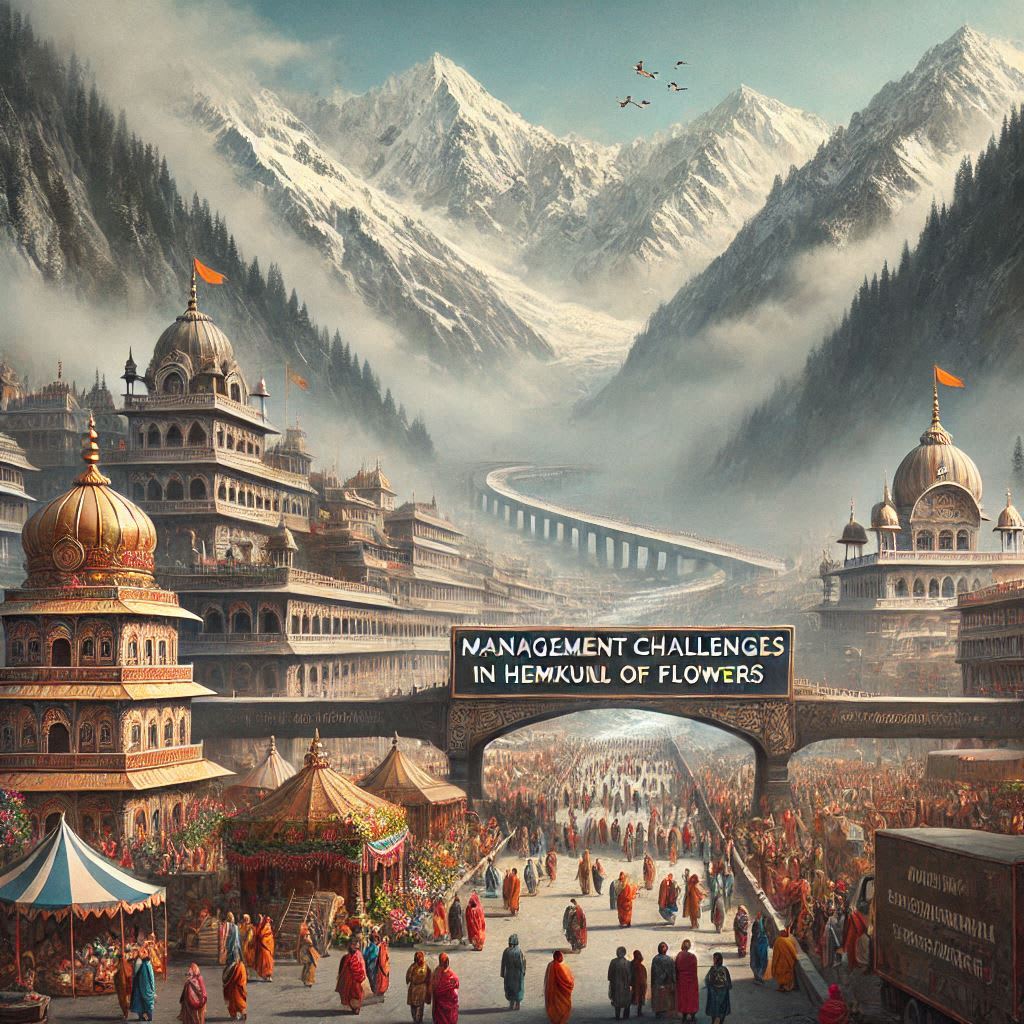
Hemkund Sahib and the Valley of Flowers are among India's most celebrated pilgrimage and trekking destinations, drawing thousands of visitors annually. However, as the number of pilgrims and tourists increases, the region is facing growing challenges related to over-tourism. These challenges not only threaten the natural beauty and ecological balance of the area but also hinder the overall experience for visitors. Let’s explore some of the critical challenges posed by over-tourism in this region.
1. Crowd Management
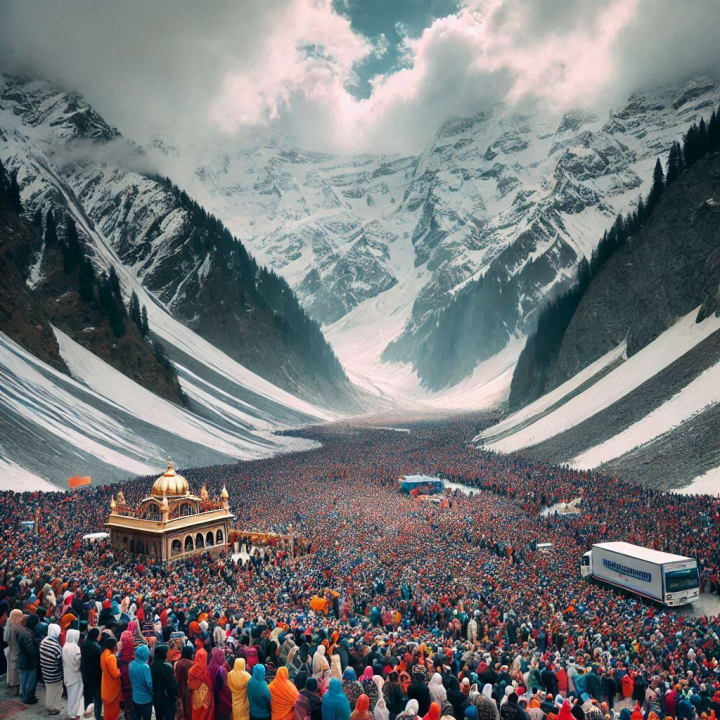
Managing the large influx of tourists, especially during peak periods such as Navratri and Akshay Tritiya, has become a significant concern for authorities. These festivals attract a surge of devotees to Hemkund Sahib, a sacred Sikh shrine situated at an altitude of over 15,000 feet. The crowds can become overwhelming, affecting the pilgrimage experience, creating safety hazards, and damaging the delicate infrastructure.
To mitigate these issues, authorities have implemented a cap on the number of pilgrims allowed in certain areas at any given time. However, even with such restrictions, crowd management during high season remains a challenging task. Efforts to regulate the flow of visitors through timed entry permits or designated routes are ongoing but require constant monitoring and coordination. Without proper crowd control measures, the experience can turn chaotic, detracting from the spiritual and peaceful environment that many seek.
2. Environmental Impact
The growing number of visitors to Hemkund Sahib and the Valley of Flowers is placing immense pressure on the environment. Both locations are part of the Himalayan ecosystem, which is fragile and vulnerable to human interference. As more tourists flock to these destinations, issues such as waste management, deforestation, and overuse of natural resources have become pressing concerns.
Authorities are working hard to implement sustainable tourism practices. These include introducing waste segregation systems, promoting eco-friendly travel practices, and raising awareness among visitors about minimizing their ecological footprint. The Valley of Flowers, which is a UNESCO World Heritage site, faces particular strain from over-tourism. Its delicate flora, which blooms seasonally, is at risk from trampling, littering, and the introduction of invasive species. Conservation efforts aim to preserve the flora while ensuring the area remains accessible to tourists.
Furthermore, with increased foot traffic, there is heightened risk of soil erosion and habitat disruption. Sustainable resource management, such as controlling the use of water and fuel, is essential to minimize the ecological toll. Authorities are also focusing on educating pilgrims and trekkers about the importance of responsible tourism, encouraging them to take back all waste and avoid disturbing wildlife.
3. Infrastructure Strain
The infrastructure in the region, including roads, trekking trails, and accommodation facilities, is facing immense pressure due to the rising number of visitors. While efforts to upgrade infrastructure have been ongoing, they often struggle to keep pace with demand. The narrow mountain roads leading to Hemkund Sahib and the Valley of Flowers are not designed to accommodate large volumes of vehicles, creating traffic jams and safety hazards. Additionally, the increasing number of trekkers puts pressure on existing paths, resulting in erosion and widening trails, which further damages the landscape.
To address these challenges, there are ongoing initiatives to build more sustainable infrastructure, but the balance between development and conservation is delicate. Ensuring that the development does not harm the environment or disrupt the spiritual sanctity of the places is crucial.
4. Cultural and Social Impact
Over-tourism is not just a matter of managing crowds and preserving nature; it also affects the local communities. As more pilgrims and trekkers visit, the socio-cultural fabric of the area can change. While tourism brings economic benefits, such as employment opportunities for local guides, porters, and hospitality workers, it can also lead to cultural erosion if not managed carefully.
The influx of visitors sometimes leads to a dilution of local customs and practices. It is essential to strike a balance between promoting tourism for economic benefits and ensuring that local communities maintain their cultural integrity and traditional way of life. Furthermore, there is a need to improve the integration of the local population in the tourism planning process to ensure that their voices are heard, and their interests are considered.
5. Health and Safety Concerns
The challenges of over-tourism at Hemkund Sahib and the Valley of Flowers also extend to health and safety concerns. The high-altitude terrain can be physically demanding, and the increased number of pilgrims puts additional pressure on the available medical infrastructure. Medical emergencies, altitude sickness, and accidents are becoming more frequent, especially during peak seasons.
Local authorities and trekking agencies are working to address these issues by improving medical facilities and ensuring that safety guidelines are strictly adhered to. However, the sheer number of people in the region during peak seasons makes it difficult to ensure that everyone receives the care they need in a timely manner.
Conclusion
While Hemkund Sahib and the Valley of Flowers are undoubtedly magical destinations, over-tourism poses significant challenges to the region's sustainability. From managing large crowds to mitigating environmental impact and preserving local culture, the need for responsible tourism is more critical than ever. By promoting eco-friendly practices, regulating visitor numbers, and raising awareness among tourists, authorities and the public can help ensure that these sacred and natural treasures remain protected for future generations. Only with thoughtful, sustainable tourism can Hemkund Sahib and the Valley of Flowers continue to inspire pilgrims and nature enthusiasts alike without compromising their integrity.
About the Creator
chardhamyatratourpackages
Welcome , your trusted partner for a seamless and spiritually enriching journey to the sacred Chardham Yatra in the serene Himalayas. With years of expertise in organizing pilgrimage tours.
Keep reading
More stories from chardhamyatratourpackages and writers in Pride and other communities.
A Sacred Journey Through the Heart of the Himalayas: My Chardham Yatra
It was the kind of call you can’t ignore—the call to embark on a journey through the majestic Himalayas, to visit places that are as much a part of Indian spirituality as they are of its history. The Chardham Yatra, the revered pilgrimage that takes you to Badrinath, Kedarnath, Gangotri, and Yamunotri, had always been on my mind. But the idea of traveling to all four shrines seemed overwhelming, so I decided to take a step-by-step approach and experience the sacredness of these places through a Do Dham Yatra.
By chardhamyatratourpackagesabout a year ago in Art
Emo femboy
The Emo Femboy: A Symphony of Contrast and Authentic Self-Expression In the vibrant, ever-evolving landscape of modern identity and subculture, a unique and compelling figure has emerged, weaving together threads of music, fashion, and gender expression into a poignant tapestry of self. This is the emo femboy not merely a trend or an aesthetic, but a heartfelt declaration of being that exists at the powerful intersection of emotional depth and the rejection of rigid gender norms. To understand this identity is to listen to a symphony played in a minor key, one where vulnerability is strength, softness is rebellion, and authenticity is the ultimate truth.
By David Femboy3 days ago in Pride
Thoughts on Vocal and the way the world is
"Death cannot stop true love, only delay it." – Wesley in The Princess Bride. I decided to come back to Vocal on a very cold and dark night at the end of December. I had been, and still am, convalescing from a horrible staph infection that had gone misdiagnosed for months. This, paired with the increasing challenges of being healthy, making the best choices for my co-parented child, being a wife, and being a director at a new job, was a lot to manage.
By Jazzy 3 days ago in Confessions


Comments
There are no comments for this story
Be the first to respond and start the conversation.