
The Impact of Environmental Toxins on Hormonal Health
Health

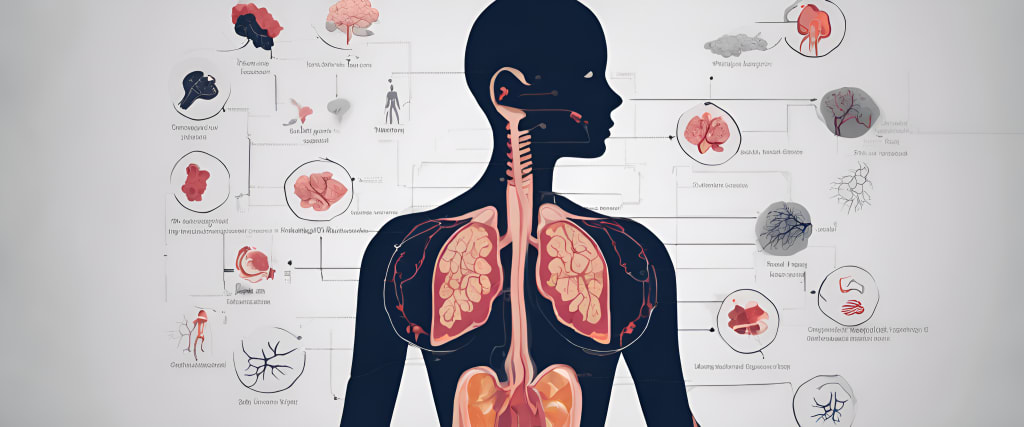
In today’s world, we are surrounded by environmental toxins, from the air we breathe to the products we use daily. These toxins, often invisible and seemingly harmless, can have a profound impact on our health, particularly on our hormonal balance. Hormones play a crucial role in regulating various bodily functions, including metabolism, growth, reproduction, and mood. However, exposure to environmental toxins can disrupt this delicate balance, leading to a range of health issues. This article explores the impact of environmental toxins on hormonal health and what you can do to protect yourself.
What Are Environmental Toxins?

Environmental toxins are harmful substances found in the environment that can enter the body through inhalation, ingestion, or skin contact. Common sources of these toxins include:
• Pesticides and Herbicides: Used in agriculture to protect crops, these chemicals can linger on produce and contaminate water supplies.
• Industrial Chemicals: Found in air pollution, water contamination, and industrial waste, these include heavy metals, dioxins, and polychlorinated biphenyls (PCBs).
• Plastics and BPA: Bisphenol A (BPA) and other plasticizers found in plastic containers, water bottles, and food packaging can leach into food and beverages.
• Personal Care Products: Ingredients like parabens, phthalates, and synthetic fragrances in cosmetics, lotions, and shampoos can be absorbed through the skin.
• Household Cleaners: Many cleaning products contain harsh chemicals that can be inhaled or absorbed through the skin.
These toxins can accumulate in the body over time, leading to a condition known as "toxic load," which can overwhelm the body's detoxification systems.
How Environmental Toxins Disrupt Hormonal Health

1. Endocrine Disruptors: Many environmental toxins act as endocrine disruptors, meaning they interfere with the body’s hormone systems. These substances can mimic, block, or alter the natural hormones in the body, leading to imbalances. For example, BPA is known to mimic estrogen, potentially leading to issues like estrogen dominance, which is associated with problems such as weight gain, mood swings, and increased risk of breast cancer.
2. Thyroid Dysfunction: The thyroid gland is particularly sensitive to environmental toxins. Chemicals such as perchlorate, found in rocket fuel and fireworks, can disrupt thyroid function by interfering with iodine uptake, a critical element for thyroid hormone production. This can lead to conditions like hypothyroidism, characterized by fatigue, weight gain, and depression.
3. Reproductive Health Issues: Exposure to environmental toxins has been linked to reproductive health problems in both men and women. Pesticides, for example, have been associated with decreased sperm quality and fertility issues in men, while phthalates, found in many personal care products, have been linked to early puberty and menstrual irregularities in women.
4. Adrenal Fatigue: The adrenal glands, which produce hormones like cortisol that help the body respond to stress, can also be affected by environmental toxins. Chronic exposure to toxins can lead to adrenal fatigue, a condition where the adrenal glands are overworked and unable to produce adequate levels of hormones. Symptoms include fatigue, difficulty sleeping, and a weakened immune system.
5. Increased Risk of Hormone-Related Cancers: Long-term exposure to certain environmental toxins has been linked to an increased risk of hormone-related cancers, such as breast, ovarian, and prostate cancer. For instance, dioxins and PCBs, which are industrial pollutants, have been classified as carcinogens and are known to disrupt hormone function, potentially leading to cancer development.
Protecting Your Hormonal Health
1. Choose Organic Foods: Reduce your exposure to pesticides and herbicides by opting for organic produce and animal products. Organic farming practices limit the use of synthetic chemicals, offering a safer alternative.
2. Filter Your Water: Invest in a high-quality water filter that can remove contaminants like chlorine, heavy metals, and pesticides. This is particularly important for drinking water and cooking.
3. Use Natural Personal Care Products: Switch to personal care products that are free from harmful chemicals like parabens, phthalates, and synthetic fragrances. Look for products labeled as "organic," "natural," or "chemical-free."
4. Minimize Plastic Use: Reduce your use of plastic containers, especially for food storage and heating. Opt for glass, stainless steel, or BPA-free options, and avoid microwaving food in plastic containers.
5. Clean with Non-Toxic Products: Choose household cleaning products that are free from harsh chemicals. Natural alternatives like vinegar, baking soda, and essential oils can be effective for cleaning without the toxic load.
6. Support Detoxification: Support your body’s natural detoxification processes by consuming a diet rich in fiber, antioxidants, and nutrients like vitamin C and glutathione. Regular exercise, adequate hydration, and practices like sauna therapy can also aid in detoxification.
Conclusion
Environmental toxins pose a significant threat to hormonal health, contributing to a wide range of health issues from thyroid dysfunction to reproductive problems and even cancer. By being mindful of your exposure to these toxins and taking proactive steps to reduce your toxic load, you can help protect your hormonal balance and overall well-being. As awareness of the impact of environmental toxins grows, so too does the importance of making informed choices to safeguard your health in an increasingly toxic world.
About the Creator
Reader insights
Outstanding
Excellent work. Looking forward to reading more!
Top insights
Excellent storytelling
Original narrative & well developed characters
Heartfelt and relatable
The story invoked strong personal emotions
Keep reading
More stories from Edie Coomer and writers in Potent and other communities.
Keto, Plant-Based Diets, and Intermittent Fasting
In today's fast-paced world, health and wellness have become central to many people's lives, with nutrition playing a crucial role. Among the myriad of dietary options available, three trends have risen to prominence: the ketogenic diet (Keto), plant-based diets, and intermittent fasting. These approaches have not only gained popularity but have also sparked widespread discussions about how food impacts overall wellness.
By Edie Coomerabout a year ago in Potent
Running and Marijuana: Is It the New Runner’s High?
Author’s note: Marijuana is legal for recreational purposes in Arizona, where I reside. Please check your local laws regarding medical or recreational use in your area. In the United States, the federal government still considers marijuana illegal. This article is not intended to give advice. Each person is unique, and this is my personal experience only. The use of marijuana is known to cause a high heart rate, anxiety, and impairment among other side effects for some users. As always, speak with a medical professional before starting any type of exercise program and regarding the use of marijuana.
By Jeff Barton6 days ago in Potent


Comments
There are no comments for this story
Be the first to respond and start the conversation.