
Israel Launches Airstrikes on Hezbollah Strongholds in Lebanon, Raising Fears of Escalation
"Intense Airstrikes in Beirut Displace Thousands as Israel Targets Hezbollah Leadership, Raising Fears of Wider Conflict"
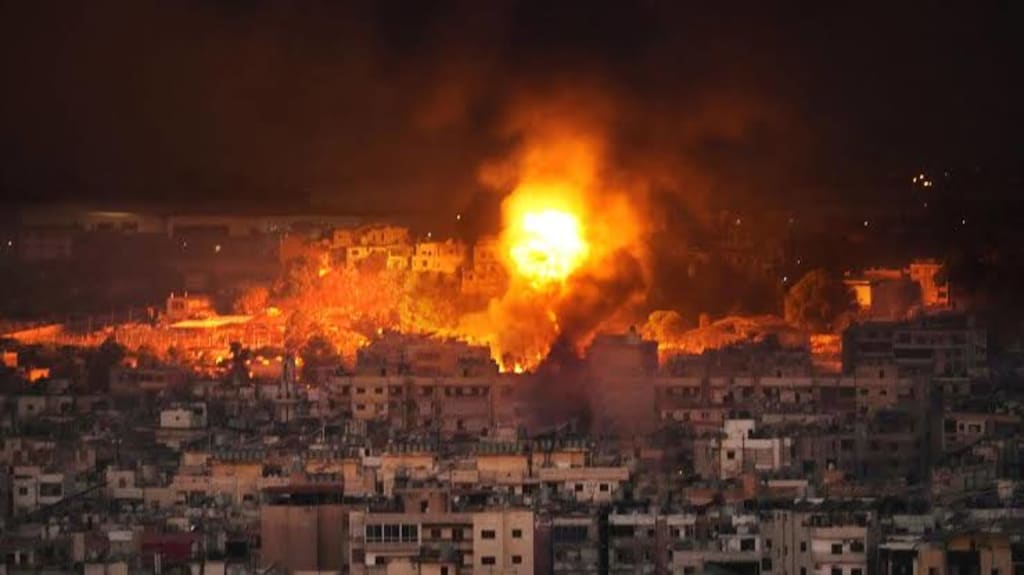
BEIRUT – The ongoing conflict between Israel and Hezbollah took a dangerous turn as Israel launched a series of airstrikes early Saturday on Beirut’s southern suburbs and other parts of Lebanon. These attacks follow a powerful strike on Friday that targeted Hezbollah’s headquarters, with the main focus being on Sayyed Hassan Nasrallah, Hezbollah’s leader for over three decades. As of now, Nasrallah’s fate remains unclear, and Hezbollah has not issued any statements about his status.
The airstrikes began in the early hours of Saturday, with over 20 blasts heard before dawn, according to Reuters journalists in Beirut. The southern suburbs of the city, known as the Dahiyeh, which is controlled by Hezbollah, were heavily bombarded. As the sun rose, more airstrikes followed, sending smoke billowing into the sky. This intense bombardment forced thousands of people to flee their homes in the Dahiyeh, seeking safety in other parts of the city.
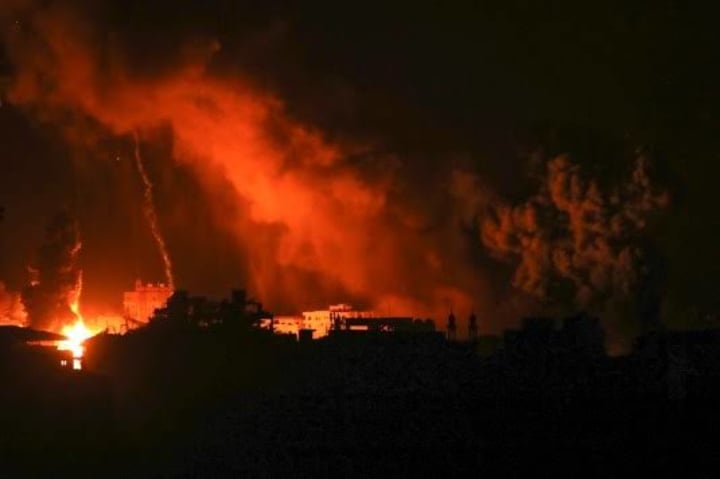
Chaos in Beirut
Downtown Beirut and the seaside areas have become temporary shelters for those displaced by the airstrikes. Many have taken refuge in public spaces like squares, parks, and sidewalks, with families rolling out mats and blankets, trying to find a place to sleep amidst the chaos.
Sari, a man in his 30s, was one of the many who fled the Dahiyeh after Israel issued an evacuation order. "They want to destroy Dahiyeh, they want to destroy all of us," he said, voicing the fear and frustration shared by many who had to leave their homes behind. In Martyrs’ Square, a central location in Beirut, newly displaced people gathered, trying to rest as they faced an uncertain future.
Escalation of the Conflict
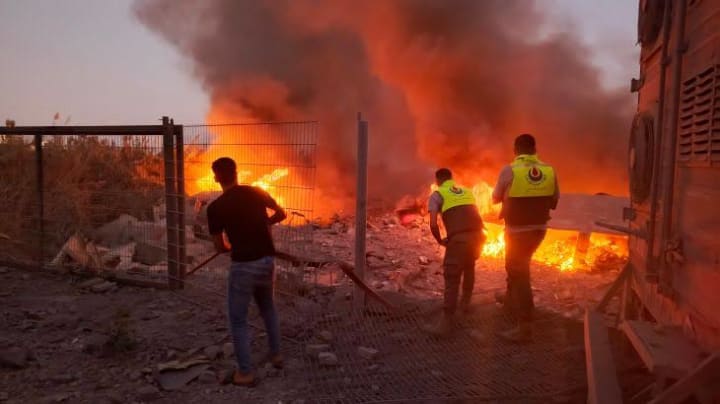
The airstrikes come as part of a significant escalation in the nearly year-long conflict between Israel and Hezbollah. The Israeli military has been responding to a series of projectiles fired from Lebanon into Israel. On Saturday, a missile aimed at central Israel struck an open area, causing no damage or casualties. Earlier, the Israeli military reported that about 10 projectiles had crossed from Lebanon, with some being intercepted by their defense systems.
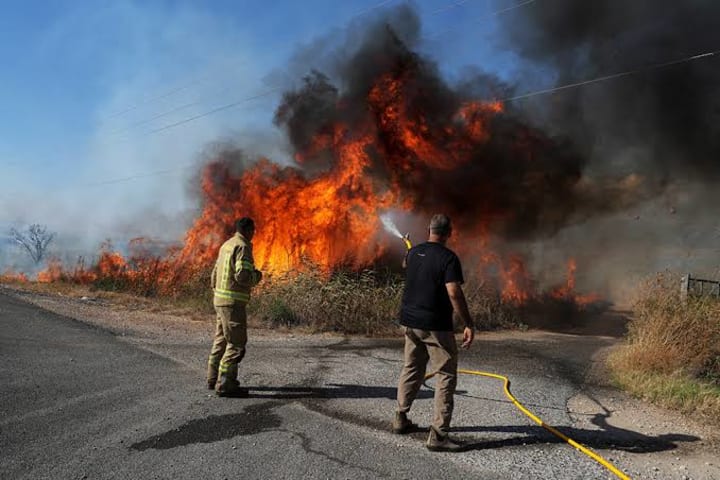
In response to the missile attacks, Israel has been hitting Hezbollah positions in the Bekaa Valley, a region in eastern Lebanon near the Syrian border. This area has been the focus of heavy bombardment throughout the past week. The Israeli military has made it clear that their primary targets are Hezbollah’s leadership and military infrastructure.
The airstrikes on Beirut Saturday morning were especially intense, lasting for about five hours. This followed Friday’s attack, which was the most powerful Israeli strike on the city since the conflict with Hezbollah began. The situation has raised concerns that the conflict could spiral out of control, potentially drawing in regional powers like Iran, which supports Hezbollah, and possibly even the United States.
Uncertainty Over Nasrallah’s Fate
One of the key questions surrounding this escalation is the fate of Sayyed Hassan Nasrallah, the longtime leader of Hezbollah. Friday’s attack was reportedly aimed at him, but it remains unclear if Israel succeeded in hitting its target. A source close to Hezbollah told Reuters that Nasrallah had not been reachable since the attack. Israel, while not confirming whether it specifically targeted Nasrallah, did acknowledge that top Hezbollah commanders were the focus of the operation.
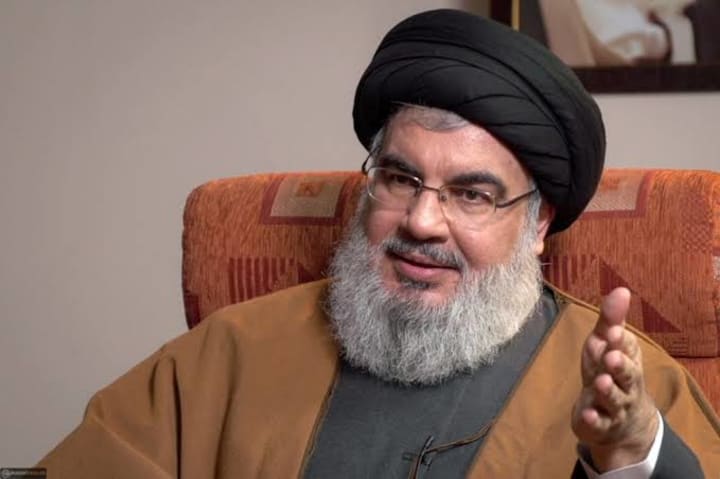
A senior Israeli official, when asked about Nasrallah’s status, said, “I think it’s too early to say… Sometimes they hide the fact when we succeed.” Meanwhile, reports from Hezbollah sources and Iran’s Tasnim news agency suggest that Nasrallah is alive, but no official confirmation has been made.
In addition to the uncertainty around Nasrallah, the Israeli military announced that it had killed Muhammad Ali Ismail, the commander of Hezbollah’s missile unit, along with his deputy, Hossein Ahmed Ismail. This was a significant blow to Hezbollah’s military leadership.
Airstrikes Expand to New Areas
The scope of Israel’s attacks has expanded in recent days. On Saturday, an airstrike hit the mountain town of Bhamdoun, located southeast of Beirut. The strike reportedly hit a large empty lot, causing no casualties. Lebanese lawmaker Mark Daou confirmed the attack, and the town’s mayor, Walid Khayrallah, assured the public that there were no injuries or deaths.
Growing Fears of Regional Conflict
As the situation continues to escalate, fears are growing that the conflict between Israel and Hezbollah could expand, potentially involving other countries. Iran, which is Hezbollah’s main backer, has been closely monitoring the situation. A senior Iranian security official told Reuters that Tehran was checking on Nasrallah’s status and keeping a close watch on the unfolding events.
The international community is also paying attention, with concerns that the conflict could destabilize the already fragile Middle East. If the situation continues to worsen, it could draw in more regional and global powers, leading to a broader conflict.
Looking Ahead
For now, the focus remains on the immediate conflict between Israel and Hezbollah. The airstrikes, the uncertainty around Nasrallah, and the ongoing missile exchanges have left both sides bracing for further developments. Thousands of Lebanese civilians are caught in the middle, displaced from their homes and uncertain about what the future holds.
As the violence continues, the international community is urging restraint, hoping to prevent the conflict from spiraling out of control. The situation remains volatile, with both sides preparing for whatever comes next.
About the Creator
Running and Marijuana: Is It the New Runner’s High?
Author’s note: Marijuana is legal for recreational purposes in Arizona, where I reside. Please check your local laws regarding medical or recreational use in your area. In the United States, the federal government still considers marijuana illegal. This article is not intended to give advice. Each person is unique, and this is my personal experience only. The use of marijuana is known to cause a high heart rate, anxiety, and impairment among other side effects for some users. As always, speak with a medical professional before starting any type of exercise program and regarding the use of marijuana.
By Jeff Barton6 days ago in Potent




Comments
There are no comments for this story
Be the first to respond and start the conversation.