
How Cannabis Helps Cancer Patients
How Cannabis Helps Cancer Patients: Relief, Research, and Realities

How Cannabis Helps Cancer Patients: Relief, Research, and Realities
Introduction
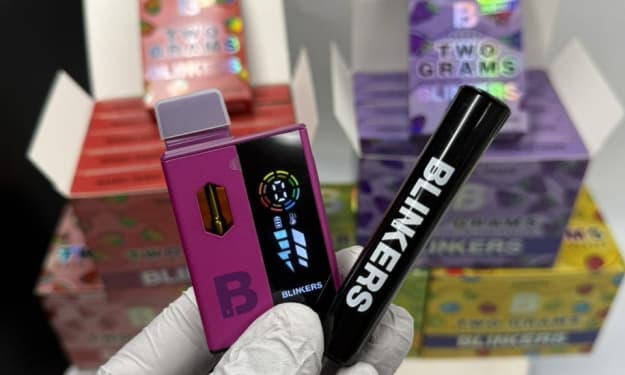
THC Vape, Cannabis, once a highly stigmatized plant, has increasingly entered mainstream medical research — particularly for its potential to ease the burden of cancer and its treatments. Over the last two decades, scientists and clinicians have explored how cannabinoids, the active compounds in cannabis, can help manage pain, nausea, appetite loss, and emotional distress associated with cancer. Although cannabis is not a cure for cancer, growing evidence supports its therapeutic value in improving patients’ quality of life.
Understanding Cannabis and Its Active Compounds
Cannabis contains over a hundred different chemical compounds known as cannabinoids. The two most well-known are tetrahydrocannabinol (THC) and cannabidiol (CBD).
THC is the psychoactive compound responsible for the “high” associated with cannabis use, but it also plays a role in pain relief, appetite stimulation, and nausea control.
CBD, on the other hand, is non-psychoactive and has been studied for its anti-inflammatory, anti-anxiety, and anti-seizure properties.
Both interact with the body’s endocannabinoid system (ECS) — a complex network of receptors (CB1 and CB2) that regulate mood, pain, appetite, immune function, and other physiological processes. In cancer care, this system can be modulated by cannabinoids to restore balance and reduce symptoms.
1. Pain Management: A Natural Analgesic
Chronic pain is one of the most common and distressing symptoms for cancer patients. Traditional pain medications, such as opioids, can be effective but often lead to side effects like sedation, constipation, or dependency.
Research has shown that THC and CBD can reduce pain intensity by interacting with receptors in the brain and spinal cord that control pain signaling. A 2020 review published in Current Oncology found that patients using cannabis-based medicines reported improved pain control and better sleep quality, especially when combined with conventional therapies.
Furthermore, the synergistic effect known as the “entourage effect” where multiple cannabinoids and terpenes work together — may enhance pain relief more effectively than isolated THC or CBD alone.
2. Combating Nausea and Vomiting from Chemotherapy
Chemotherapy-induced nausea and vomiting (CINV) are among the most debilitating side effects of cancer treatment. Standard anti-nausea drugs sometimes fail to provide relief, leading patients and doctors to seek alternatives.
Cannabis, particularly THC-based medicines, has long been recognized for its antiemetic (anti-nausea) properties. In fact, the U.S. Food and Drug Administration (FDA) has approved two synthetic THC medications dronabinol (Marinol) and nabilone (Cesamet) specifically for chemotherapy-related nausea and vomiting.
Clinical trials and patient reports indicate that cannabis can be especially helpful when other medications don’t work. In some studies, patients even preferred cannabis due to fewer side effects and a sense of overall well-being.
3. Stimulating Appetite and Preventing Weight Loss
Cancer and its treatments can cause cachexia, a condition marked by severe weight loss, muscle wasting, and appetite reduction. Maintaining nutrition is critical for recovery, yet many patients struggle to eat adequately due to nausea, taste changes, or depression.
THC has been shown to increase appetite and enhance food enjoyment by stimulating brain regions responsible for hunger and reward. Studies have found that cancer patients using cannabis report higher caloric intake and improved body weight stability. For those with advanced disease, these effects can significantly improve comfort and energy levels.
4. Supporting Mental and Emotional Health
Beyond physical symptoms, a cancer diagnosis often brings anxiety, depression, and insomnia. CBD, in particular, has gained attention for its potential anxiolytic (anxiety-reducing) and mood-stabilizing effects.
By influencing serotonin receptors and stress-response systems, CBD may help patients feel calmer and more emotionally resilient. Some report better sleep, less intrusive thoughts, and a greater sense of peace — all crucial elements of holistic cancer care.
THC, when used carefully and at low doses, can also promote relaxation and a temporary escape from pain or distress. However, excessive THC may provoke anxiety or confusion, especially in sensitive individuals, highlighting the need for medical supervision.
5. Potential Anti-Tumor Effects: Emerging Research
Perhaps the most debated area of cannabis research is whether cannabinoids can directly inhibit cancer cell growth. Preclinical studies — using cell cultures and animal models — have shown that THC and CBD can trigger apoptosis (programmed cell death) and reduce tumor angiogenesis (blood vessel formation) in certain cancers, including brain, breast, and lung cancers.
However, scientists caution that these effects have not been consistently replicated in human trials. While early findings are promising, cannabis should not be viewed as a standalone cancer treatment. Clinical studies are ongoing to determine safe and effective formulations.
6. Safety, Dosage, and Medical Guidance
For cancer patients considering cannabis, safety and proper dosing are essential. Cannabinoid responses vary widely depending on strain, concentration, route of administration (inhalation, oil, capsule, or edible), and individual metabolism.
Possible side effects include dizziness, dry mouth, short-term memory issues, and, in rare cases, anxiety or psychosis at high THC doses. Medical professionals recommend starting with low doses and gradual titration, ideally under the guidance of an oncologist familiar with medical cannabis.
Conclusion
Cannabis offers meaningful relief for many cancer patients — easing pain, curbing nausea, improving appetite, and enhancing emotional well-being. While it is not a cure, its integration into supportive cancer care marks an important shift toward compassionate, patient-centered medicine.
As research continues, the hope is to develop standardized, evidence-based cannabis therapies that can complement traditional cancer treatments — helping patients live more comfortably and with dignity during their most challenging times. THC VAPE GERMANY.
About the Creator
THC VAPE
Follow us to enjoy and experience some aspects of Health and Social Life.
THE HOUSE OF LESS STRESS AND FREE WORLD shop with us and have the best experience ever with quality lab-tested <a href="https://thcvapecannashop.de/">THC VAPE</a>.



Comments
There are no comments for this story
Be the first to respond and start the conversation.