
A Guide to U.S. Hemp Laws and Legal Loopholes
What's legal, what's not, and what falls in between!


Hemp laws in the U.S. keep changing. That makes it hard to keep up, whether you're a consumer, cultivator, or brand. One state welcomes hemp-derived products, while another enforces strict limits. On top of that, federal guidelines don't always line up with what the states allow. It's confusing, yes. And it’s also easy to make the wrong call if you are not paying attention.
This guide breaks it all down. You'll get a clear picture of how U.S. hemp laws work, where the legal gray areas lie, and what to watch out for before you buy.
The 2018 Farm Bill
The infamous 2018 Farm Bill (also known as the Agriculture Improvement Act) started it all. Lawmakers wanted to differentiate hemp from marijuana, so they removed the wonder plant from the Controlled Substances Act (CSA). And so, cultivating and selling hemp became legal.
According to the bill, hemp is a variety of the Cannabis Sativa plant. It contains less than 0.3% Delta-9 THC by dry weight and therefore qualifies as an agricultural commodity. Marijuana, on the other hand, is a Schedule I controlled substance, which contains more than the 0.3% legal threshold of Delta-9 THC. Drawing this line between hemp and marijuana was necessary for agricultural development. Hemp, after all, is a versatile crop that can save the planet.
The law allows the transport of hemp-derived goods across state lines. There are no restrictions on selling or possessing such products either. But even so, state regulations vary. Some states have embraced hemp production with little to no extra restrictions. But others have imposed stricter regulations or even banned certain hemp-derived products.
The Delta-8 THC and THCA Loophole
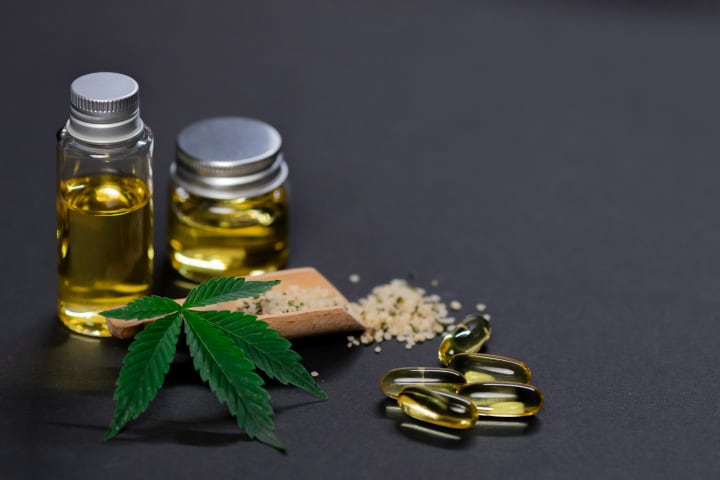
Under the federal law, products such as THCA flower and THCP vapes are technically legal. As long as they remain under the permitted Delta-9 threshold, that is. However, the bill did not account for other cannabinoids like Delta-8, Delta-10, and THCP. People can easily derive these from hemp and convert them into psychoactive compounds.
This has created some major loopholes within the U.S. hemp laws:
- Psychoactive Delta-8: The 2018 Farm Bill didn’t mention Delta-8 THC. It is a less potent version of THC. But it is intoxicating nonetheless. Not addressing this created a legal gray area. Products containing Delta-8 THC derived from legal hemp can be sold and bought, despite their psychoactive effects.
- THCA Transformation: While THCA is non-psychoactive in its raw form, it converts into Delta-9 THC when heated. This is called decarboxylation. Despite this, THCA is not explicitly restricted under federal law. This allows retailers to sell high-THCA hemp flowers as long as the Delta-9 THC content stays within the 0.3% limit before heating.
- Other Cannabinoids: Delta-10 THC offers a milder high than Delta-9. It is psychoactive but isn’t named in the Controlled Substances Act. Retailers can now sell it nationwide without state or federal restrictions. The same goes for HHC. It is also an unregulated psychotropic that is showing up in vapes and edibles.
State-Level Responses
State laws have made hemp and marijuana delivery difficult. In response to the federal loophole, they have taken various degrees of precautions:
- Minimal Restrictions: Some states allow all hemp-derived intoxicants under the federal threshold. They lack detailed state-level rules or licensing for hemp activities. Examples include Texas, New Mexico, Oklahoma, Nebraska, Wisconsin, Missouri, Illinois, etc.
- Regulated Use: Most states permit hemp intoxicants but impose limits on serving size. They also necessitate special licenses and often restrict sales channels. States like Pennsylvania, Massachusetts, Virginia, New York, South Dakota, Wyoming, Utah, and Nevada fall into this category.
- Strict Regulations: Few states have outright bans on intoxicating hemp products, but some have implemented strict regulations or reclassifications that significantly limit their sale and distribution. This includes states like California, Alaska, and Washington, which maintain industrial hemp programs but restrict certain hemp-derived products through evolving policies.
Note: The legality of hemp-derived products is complex. It varies greatly depending on the product's THC content, intended use, and each state’s hemp regulations. Always consult official sources or a legal professional for the most up-to-date guidance.
Clear legal guidelines are more essential than ever. The growing popularity of hemp-derived cannabinoids like THCA, THCP, and Delta-8 THC warrants that. Consumers like you are also at legal risk. You need to choose a reliable brand, like Imperial Extraction, that follows the laws diligently.
Staying Alert
The times are turbulent, and the laws even more so. As hemp regulations keep changing, staying alert is the only option. To avoid low-quality or mislabeled products, you must know where state laws differ from federal guidelines. After all, informed customers keep brands accountable and transparent.
So learn what's legal where you are. Keep tabs on changing laws. And always ask for more information when you buy hemp products online. Brands that are eager to explain the laws and work within the legal framework are undoubtedly more reliable than those who brush this topic aside. Choose wisely.
About the Creator
Jamie Rooney
Jamie Rooney is a project manager with a passion for alternative health and sexual wellness. When he's not advocating for inclusive sexual health, he's exploring the world of natural remedies and holistic wellness.
Keep reading
More stories from Jamie Rooney and writers in Potent and other communities.
The Science Behind Successful Psilocybin Mushroom Cultivation
Key Takeaways: Study the biology of mushrooms, especially the mycelium and how the network functions. Environment, both controlled and natural, is important to the growth of fungi. Genetics and conditions work together to decide the result of cultivation. Potency isn’t a fixed outcome. Psilocybin properties will vary across the lifecycle. Magic mushrooms aren’t completely legal everywhere and knowing the law is just as important as knowing the science.
By Jamie Rooney4 months ago in Potent
Running and Marijuana: Is It the New Runner’s High?
Author’s note: Marijuana is legal for recreational purposes in Arizona, where I reside. Please check your local laws regarding medical or recreational use in your area. In the United States, the federal government still considers marijuana illegal. This article is not intended to give advice. Each person is unique, and this is my personal experience only. The use of marijuana is known to cause a high heart rate, anxiety, and impairment among other side effects for some users. As always, speak with a medical professional before starting any type of exercise program and regarding the use of marijuana.
By Jeff Barton5 days ago in Potent
5 Kitchen Upgrades That Will Last a Lifetime
Introduction In today’s fast-moving world of home design, trends come and go faster than ever. But when it comes to your kitchen the heart of your home longevity matters far more than fleeting style. The best kitchens are not only beautiful on day one but remain functional, stylish, and durable for decades to come.
By Dilip Kumara4 days ago in Potent
Wild Card Weekend Recap: What Happens Now?
I think I figured out why I love Wild Card Weekend so much. It's because it's the first playoff anything of the calendar year. The NFL season starts in the fall, and once upon a time, the champion was crowned either on or slightly before New Year's. The evolution of the NFL schedule has resulted in the playoffs starting just into the New Year, and currently, the final week of the season falls on the first weekend of the New Year, with Wild Card Weekend coming a week after that. So yes, chronologically, the NFL's Wild Card Weekend serves as the first playoff anything of the calendar year.
By Clyde E. Dawkins5 days ago in Unbalanced



Comments (2)
Hemp laws are a mess. It's tough to know what's legal. This guide should help clear things up.
The constantly changing hemp laws in the U.S. are a real headache. It's crazy how different states have such varied rules. I remember when the 2018 Farm Bill came in, it seemed to simplify things at first. But then these other cannabinoids like Delta-8 came along and created more confusion. How do you think we can get a more unified approach to hemp laws across the country? It's also concerning that some states are banning certain hemp-derived products. With hemp being so versatile, it seems counterproductive. I've seen firsthand how useful hemp can be in various industries. So, what can consumers do to stay on the right side of the law when buying hemp products? It's a tricky situation for sure.