
William Shakespeare: A Poet for All Ages
Exploring the Life, Plays, and Lasting Influence of the Bard

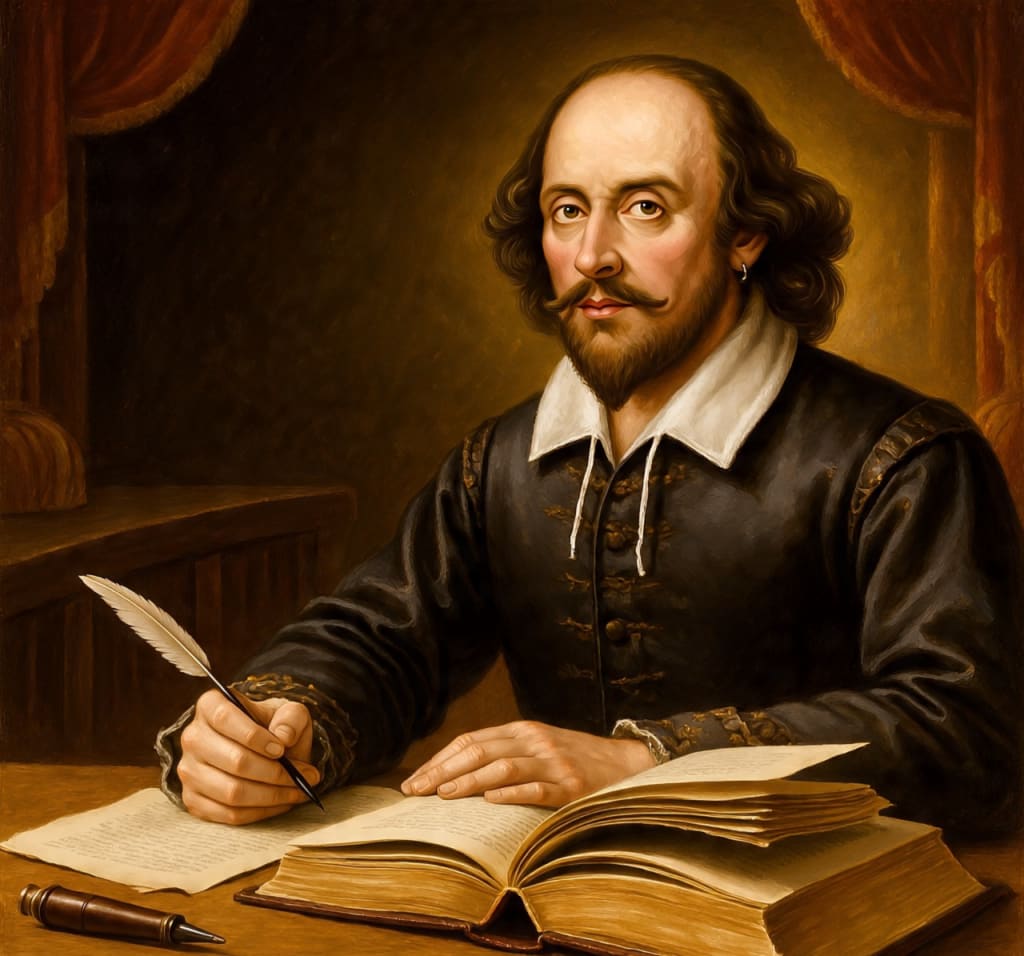
When people talk about great writers, one name always comes first—William Shakespeare. He is often called the greatest playwright in history, and even after more than 400 years, his works are still read, studied, and performed worldwide. Shakespeare’s plays and poems are filled with deep emotions, universal themes, and beautiful language that connect with people of every age. His writings are not just old books in libraries; they are living works that continue to inspire modern literature, films, and even everyday speech.
Early Life of Shakespeare
William Shakespeare was born on April 23, 1564, in Stratford-upon-Avon, England. His father, John Shakespeare, was a glove maker, and his mother, Mary Arden, came from a farming family. Shakespeare did not belong to a royal or wealthy background, but his talent made him one of the most important figures in English history. Although little is known about his early education, historians believe he studied Latin, literature, and classical writers at grammar school.
In 1582, Shakespeare married Anne Hathaway, and they had three children: Susanna, Hamnet, and Judith. Soon after, he moved to London, where he started working in theatres. By the 1590s, he had become famous as both an actor and a playwright.
Shakespeare’s Plays and Poetry
Shakespeare wrote 37 plays, 154 sonnets, and two long narrative poems. His plays are divided into three main categories: tragedies, comedies, and histories.
Tragedies: His tragic plays like Hamlet, Macbeth, Othello, and King Lear explore human weakness, ambition, and fate. These works reveal how greed, jealousy, and pride can destroy lives.
Comedies: In plays like A Midsummer Night’s Dream, Twelfth Night, and Much Ado About Nothing, Shakespeare used humor, mistaken identities, and clever wordplay to entertain audiences. Many of these comedies also highlight love, friendship, and human foolishness.
Histories: His historical plays, including Henry IV and Richard III, dramatize the lives of English kings and the struggles for power. These works shaped how people in England viewed their own history.
His sonnets are also widely admired. Written in 14-line poems, they often deal with love, beauty, time, and mortality. The language is so powerful that many of his lines are still quoted today.
Language and Influence
One of the reasons Shakespeare is still relevant is because he shaped the English language. He introduced hundreds of new words and expressions that people still use daily. Phrases like “break the ice,” “love is blind,” and “all’s well that ends well” all come from his works.
Beyond language, Shakespeare understood human nature better than almost anyone. His characters feel real because they show the full range of emotions—love, anger, jealousy, ambition, and guilt. This is why modern readers and audiences still connect with his works.
Global Reach
Shakespeare’s plays have been translated into more than 100 languages and performed in every corner of the world. Whether it is a small village in Asia or a modern theatre in New York, his stories continue to touch people’s hearts. His works have also inspired movies, operas, novels, and even modern TV shows. For example, the famous film The Lion King is based on his play Hamlet.
Last Years and Legacy
Shakespeare returned to Stratford in his later years and lived a quieter life. He died on April 23, 1616, at the age of 52, the same date as his birth. Even though he passed away centuries ago, his legacy is stronger than ever. Today, schools, theatres, and universities around the world continue to celebrate his works.
Why He Is a Poet for All Ages
Shakespeare’s works are timeless because they deal with universal questions: What does it mean to love? What drives people to betray each other? Why do people fight for power? These are questions every generation asks, and Shakespeare provides insights through his plays and poetry. His words are not just about the past—they speak to the present and the future.
Conclusion
William Shakespeare remains a poet for all ages because his works never grow old. His ability to capture human emotions, his creativity with language, and his influence on culture make him one of the greatest writers in history. Whether read in a classroom, performed on stage, or adapted into a modern film, Shakespeare’s voice continues to live on. His writings remind us that human experiences—love, loss, joy, and ambition—are the same no matter what century we live in.
About the Creator
aadam khan
I am publishing different stories
Keep reading
More stories from aadam khan and writers in Poets and other communities.
Sappho: The Tenth Muse
In the golden age of ancient Greek literature, the name Sappho glows like a soft ember—flickering across time with tenderness, power, and mystery. Known as The Tenth Muse, a title once bestowed by Plato himself, Sappho was a poet of passion and precision, of longing and lyricism. She lived over 2,600 years ago on the island of Lesbos, yet her words continue to stir modern hearts with their emotional intensity and beauty.
By aadam khan8 months ago in Poets
The steps to losing a child
Step One: Lose a child. Not what anyone wants to happen and nothing you can do to change it, but you can go through steps to becoming happy again. You can go through steps to loving again. You can go through steps to become a new you because after losing a child you will never be the same person you once were.
By Tabitha Hinkley5 days ago in Fiction


Comments
There are no comments for this story
Be the first to respond and start the conversation.