
The Last Letter
Sometimes, gratitude arrives too late — but its echo never fades.

The Last Letter
By VoiceWithin
It was a cold, wind-bitten November afternoon when I returned to the house I once called home. The journey back had taken less than two hours by train, yet it felt like crossing decades of silence. I stood outside the front door for a long time, hand hovering over the key in my pocket, unsure if I deserved to open it.
The house had aged. The once-bright blue paint was chipped, and the small garden my mother used to nurture had overgrown into wild, silent chaos. The wind carried dry leaves across the porch like forgotten memories.
The key still worked. It clicked softly in the lock, and the door opened with a reluctant creak. Inside, the air was heavy — not with dust, though there was plenty of it — but with a kind of stillness that comes only after a heart has stopped beating.
She had died alone.
Three days ago, I received a call from a neighbor. "Your mother passed peacefully in her sleep," she’d said. I had stood frozen, phone pressed to my ear, words dissolving into the quiet hum of the world moving on.
I hadn’t spoken to my mother in nearly six years. Not since our last argument. Not since the day I walked out and told myself I didn’t need her anymore.
---
The house was just as I remembered, and yet not. Every object seemed to have frozen in time. Her reading glasses lay on the arm of the sofa, a half-finished knitting project sat in a basket near the window, and the faint smell of lavender still lingered in the air — her scent.
I wandered room to room, searching for some trace of her final days. There were no goodbye notes, no hospital documents. Nothing but the ordinary — the small and invisible threads of a life quietly ending.
When I entered her bedroom, I saw it immediately.
On her nightstand, beside her old silver-framed photo of the two of us, was a single envelope. Yellowed slightly, the ink faded but unmistakably hers:
"For when you're ready."
I sat down on the edge of the bed, the old mattress creaking beneath me. My hands shook as I held the letter. The paper was soft, worn, as if it had waited patiently through seasons of silence.
I opened it.
---
My Dearest Elias,
I don’t know when you’ll find this. I don’t even know if you’ll ever come back.
But if you’re reading this, it means there’s still a part of you that remembers — or wants to.
I know I made mistakes. I wasn’t always patient. I wasn’t always fair. But everything I did — every rule I made, every word I said — came from love. Maybe clumsy love. Maybe scared love. But love, nonetheless.
I remember the night you left. I remember the anger in your eyes, the hurt in your voice. You said I never listened, never understood. And maybe you were right.
But, Elias… I tried. I really tried.
Do you remember your sixth birthday? You wanted that red toy airplane. I worked overtime for two weeks to buy it. You opened the box and your eyes lit up — I carry that memory like a treasure.
Do you remember the time you broke your arm falling from the tree behind the house? I spent every night sleeping on the floor beside your hospital bed, afraid you’d wake up scared and alone.
There were hundreds of moments like that. Small things. Unspoken things. That’s how I loved you.
I wasn’t good at saying the words. But I was always thankful — thankful for your smile, your stubbornness, your dreams.
I was proud of you, even when you didn’t want to see it.
If you’re reading this… know that I forgive you. And I hope you can forgive me too.
With all my love,
Mom
---
I finished reading and stared at the letter for what felt like hours. My vision blurred with tears, and the silence pressed heavy against my chest.
She had written this long ago — maybe even the year I left — and kept it by her bedside all these years. Waiting.
Waiting for me to come home. Waiting for me to be "ready."
---
I wandered into the kitchen and opened her cupboards. Everything was still in its place — the same chipped blue teacups, the dented kettle she refused to replace. I made her favorite tea, cardamom and ginger, just like she used to make on cold evenings.
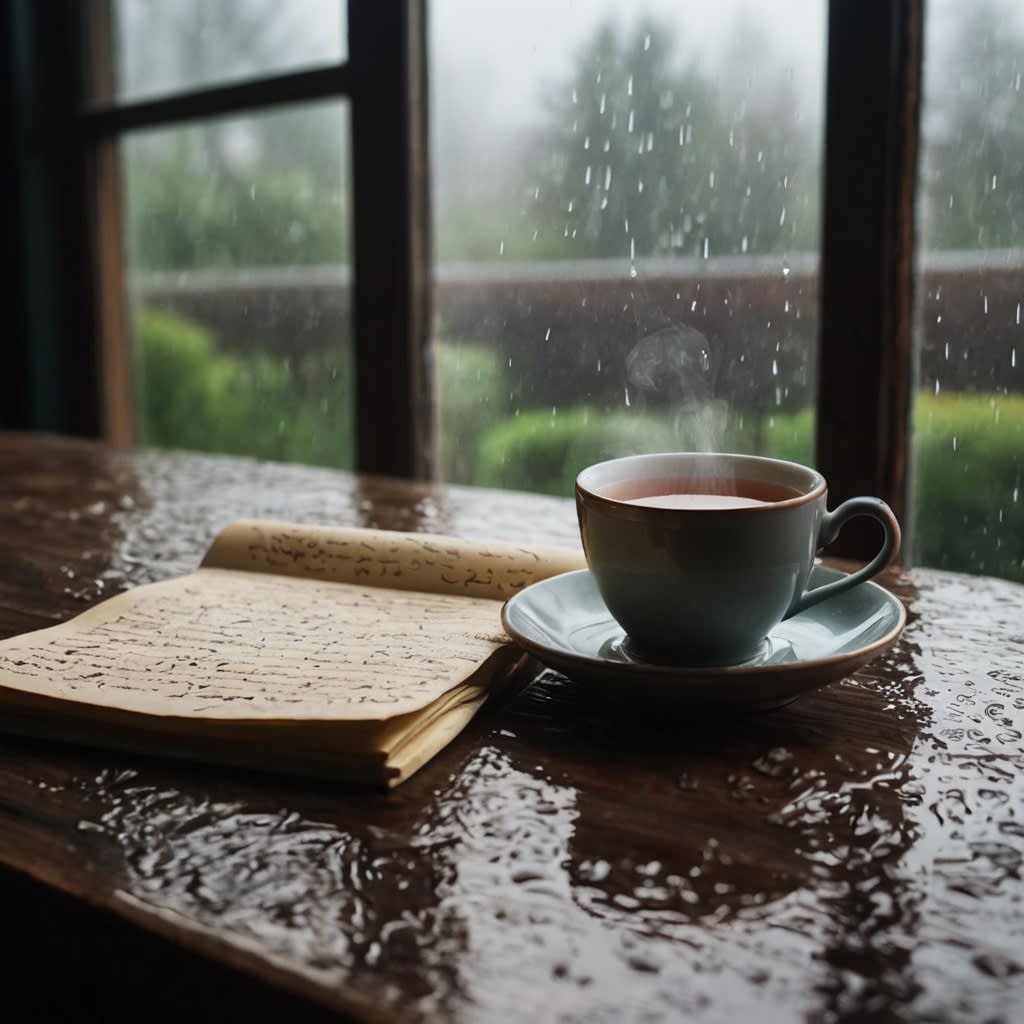
With the cup warming my hands, I sat by the window and watched the rain begin to fall — soft, steady, like a quiet rhythm of grief.
Outside, the tree I once fell from stood tall and unchanged. The memories returned like waves, each one warmer than the last — late-night talks, laughter over burnt toast, lullabies half-sung.
I thought of the years lost in anger. The birthdays I skipped. The phone calls I never returned. And in that moment, I realized:
Gratitude is not a feeling. It’s a choice. A practice. A memory that insists on being honored.
---
Later that evening, I walked to the small cemetery by the hill. The soil was still fresh. Her headstone simple:
"Lina Foster — Beloved Mother. 1954 – 2025."
I placed the letter back into the envelope, sealed it, and buried it gently beneath the flowers. I didn’t need to say anything out loud. I think she already knew.
But before I left, I whispered three words that had stayed trapped inside me for far too long:
“Thank you, Mom.”
---
Author’s Note:
We often wait too long to express our gratitude. We assume there will be time. We think the people we love will always be there — waiting, understanding, forgiving.
But life isn’t always patient.
If this story reminds you of someone you haven’t thanked in a while, don’t wait. Call them. Write the letter. Speak the words.
Even if it’s late — it’s never meaningless.
About the Creator
Keep reading
More stories from VoiceWithin and writers in Poets and other communities.



Comments
There are no comments for this story
Be the first to respond and start the conversation.