
The Importance of Music Education for Infants and Toddlers
Nurturing Development Through Sound and Rhythm

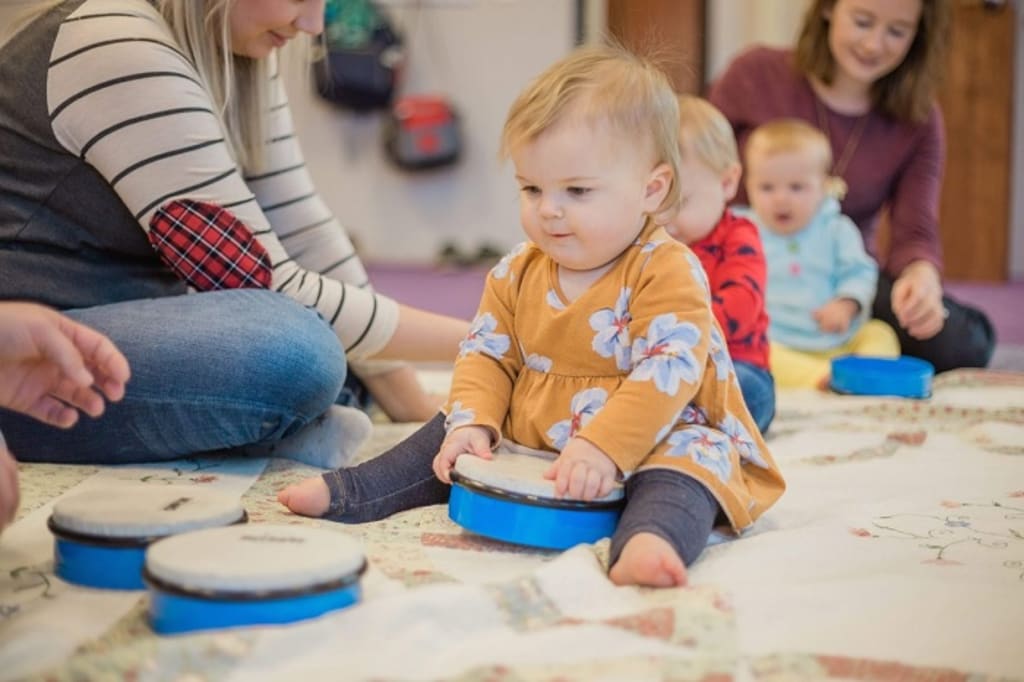
Music education is a vital part of childhood development, enriching the lives of infants and toddlers in numerous ways. Engaging with music from an early age stimulates cognitive, emotional, and physical growth, paving the way for a variety of skills that children will carry with them throughout their lives. This article explores the benefits of music exposure for young children, the different types of music classes available, and what parents can expect from these enriching experiences.
Cognitive Development
Research has shown that musical engagement has a profound impact on cognitive skills in young children. Learning rhythm and melody enhances memory and concentration, aiding in the development of language and mathematical skills. For instance, singing nursery rhymes introduces children to vocabulary and phonetics, while clapping to a beat can strengthen their understanding of patterns—essential skills for later mathematical learning.
In group settings, children learn to listen attentively, which is crucial for effective communication. Exposure to different musical styles and instruments can also enhance creativity and critical thinking skills, allowing children to express themselves in unique ways.
Emotional and Social Growth
Music has the unique ability to connect individuals, and this is especially true for young children. Participating in music-related activities fosters a sense of belonging and teamwork. Children learn to share, take turns, and collaborate during group sessions, laying the foundation for strong interpersonal skills. These early social interactions are important for building friendships and developing empathy.
Moreover, music serves as an emotional outlet. Through singing, dancing, and playing instruments, children can express their feelings in a constructive manner. This is particularly valuable in helping them navigate their emotions and develop resilience. For example, when children are encouraged to dance to upbeat tunes, they not only improve their motor skills but also experience joy and happiness, which contributes to their overall well-being.
Physical Development
Movement is an essential part of early music education. Activities that involve clapping, tapping, and dancing help develop gross motor skills and coordination. As children move to the rhythm, they enhance their physical agility and strength. Such activities also contribute to body awareness, which is vital for overall physical health.
Many classes incorporate the use of simple instruments like tambourines, maracas, and xylophones. Playing these instruments fosters fine motor skills as children learn to grasp, shake, and strike. These activities not only promote dexterity but also lay the groundwork for future musical endeavors, should they choose to pursue them.
Different Formats of Music Education
There are several formats available for introducing young children to the world of music. Each offers its unique advantages, ensuring there’s something for every child and parent.
- Group Classes: These are typically held in community centers or educational facilities. In a group setting, children benefit from social interaction and collective music-making. This format encourages teamwork and provides opportunities for children to learn from one another.
- Private Lessons: For those seeking personalized attention, private lessons may be more suitable. One-on-one instruction allows for tailored learning experiences, where the teacher can adapt their methods to suit the child’s individual needs and pace.
- Online Programs: With the advancement of technology, many parents now opt for virtual baby music classes. These programs provide flexibility and convenience, allowing families to participate from the comfort of their homes. Online classes often include interactive elements, making them engaging for young learners.
- Family Music Sessions: Some parents prefer to create music at home with their children. This can be a fun and enriching experience, where families can sing, dance, and play instruments together. Such sessions strengthen familial bonds and provide opportunities for spontaneous creativity.
What to Expect in Music Education for Young Children
When enrolling children in music activities, parents can anticipate a rich and varied experience. Classes often include a blend of singing, movement, and instrument play, ensuring that children remain engaged and excited. Here are some common elements found in these programs:
- Songs and Rhymes: Most classes will include a range of familiar tunes and nursery rhymes. This repetition helps reinforce learning and aids memory retention.
- Movement Activities: Songs are often accompanied by movement, allowing children to dance and express themselves physically. This element is crucial for promoting physical health and coordination.
- Instrument Exploration: Young children are encouraged to try out various instruments. This not only introduces them to the world of sound but also helps them develop an appreciation for different musical styles.
- Parent Participation: Many programs encourage parents to join in the fun. This involvement not only supports the child’s learning but also fosters a sense of community among families.
Tips for Choosing the Right Music Program
Selecting the right program can make all the difference in a child's musical journey. Here are a few tips for parents:
- Consider Age Appropriateness: Ensure that the program is tailored to the child’s age group. Activities should be designed with the developmental stage of the participants in mind.
- Observe the Environment: A positive, nurturing environment is crucial. Parents should look for programs that promote a supportive and encouraging atmosphere.
- Check Instructor Qualifications: A knowledgeable and experienced instructor can significantly enhance the learning experience. Parents should inquire about the teacher’s background and approach to music education.
- Look for Variety in Activities: Programs that incorporate a mix of singing, movement, and instrument play will likely keep children engaged and excited about learning.
- Trial Classes: Many programs offer trial classes, which can provide insight into whether the environment and teaching style are a good fit for the child.
Engaging with music at an early age provides numerous developmental benefits for children. From cognitive enhancements to emotional and physical growth, the impact of musical exposure is profound and lasting. By choosing the right music education programs, parents can foster their child’s love for music, setting the stage for lifelong learning and enjoyment. Whether through group classes, private lessons, or family music sessions, the joy of music is an enriching journey that young children can embark upon together with their loved ones.
About the Creator
Lisa's Dance & Exercise
Lisa's Dance & Exercise, the Ballet and Tap Class offers young dancers an exciting opportunity to explore the grace of ballet and the rhythm of tap in one program.
Keep reading
More stories from Lisa's Dance & Exercise and writers in Poets and other communities.
The Benefits of Dance Classes for All Ages
Dance is a powerful form of self-expression, physical activity, and social engagement. It has been practiced for centuries across different cultures, evolving into various styles that cater to different skill levels and interests. Whether you are looking to stay fit, explore a new hobby, or improve your coordination, dance classes offer numerous advantages.
By Lisa's Dance & Exercise12 months ago in Beat




Comments
There are no comments for this story
Be the first to respond and start the conversation.