
The Da Vinci Code:(BOOK Review)
A Thrilling Exploration of History, Religion, and Conspiracy"

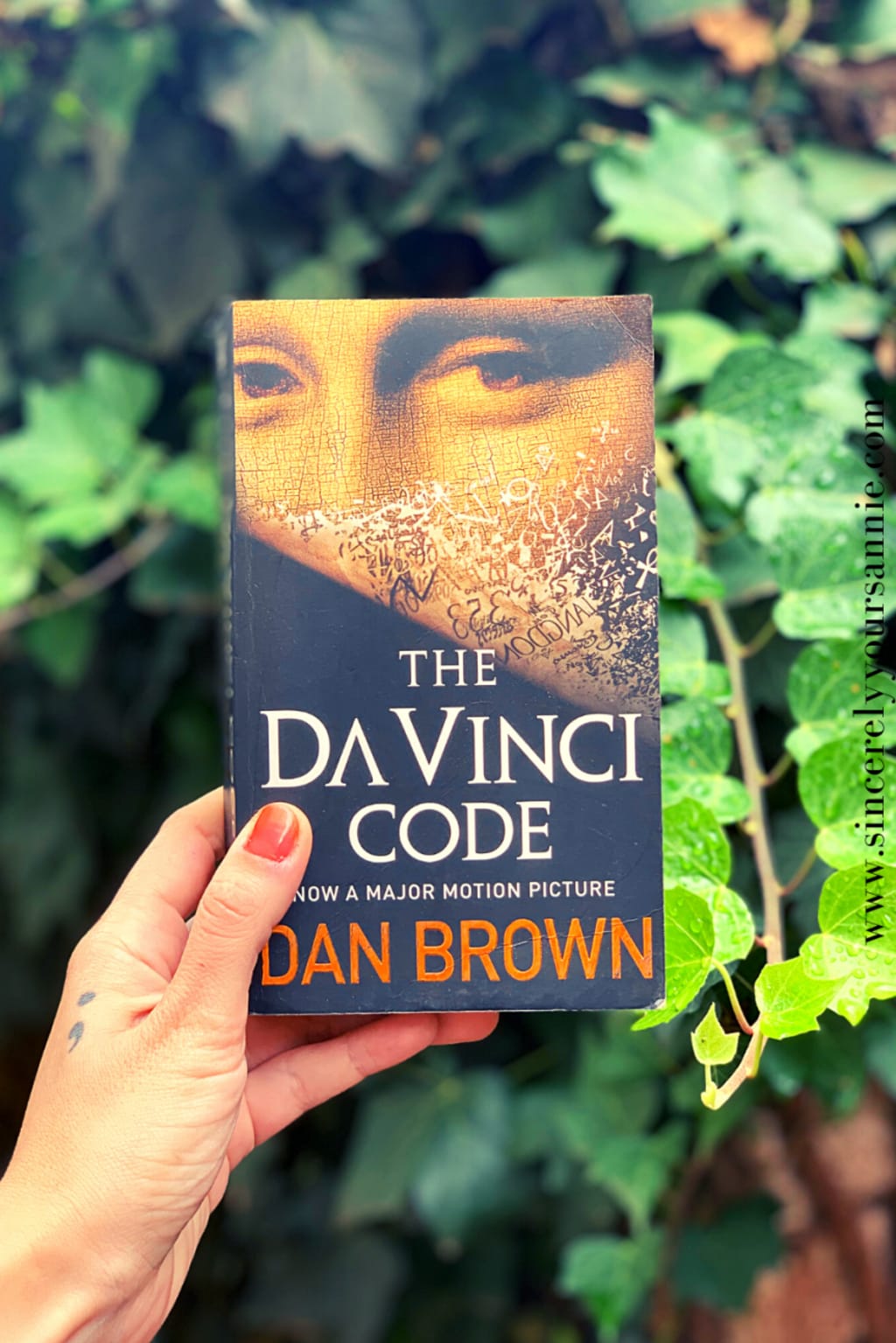
One of the most popular books in the world, particularly among European audiences, is "The Da Vinci Code" by Dan Brown. This novel, first published in 2003, quickly became a bestseller and has since been translated into dozens of languages.
"The Da Vinci Code" is a thrilling mystery that centers around Robert Langdon, a Harvard professor of symbology, who is called upon to decipher a series of clues left by a murdered curator at the Louvre Museum in Paris. As Langdon and the curator's granddaughter, Sophie Neveu, follow the clues, they uncover a conspiracy involving the Catholic Church and a secret society known as the Priory of Sion. The novel explores themes of religious history, art, and symbolism, and keeps readers on the edge of their seats with its twists and turns.
One of the strengths of "The Da Vinci Code" is its attention to detail. Brown has clearly done extensive research on the topics he covers in the novel, from the history of the Catholic Church to the works of Leonardo da Vinci. The result is a rich and immersive reading experience that feels like a journey of discovery. Brown also uses short chapters and cliffhanger endings to keep the pace fast and the tension high, making it difficult to put the book down.
However, some critics have criticized the book for its accuracy and for promoting conspiracy theories. While the novel is a work of fiction, some readers may take the historical and religious claims it makes at face value. Additionally, some may find the characterizations of certain religious figures and organizations to be offensive.
Overall, "The Da Vinci Code" is a thrilling and thought-provoking novel that has captured the imagination of readers around the world. While it may not be for everyone, its popularity speaks to its ability to engage and entertain a wide range of audiences.
One reason why "The Da Vinci Code" has gained such widespread popularity is its ability to blend fact and fiction in a compelling way. The novel presents a complex web of historical and religious information, weaving together real-world events and people with fictional plotlines and characters. This creates a sense of mystery and intrigue that keeps readers engaged throughout the book.
Another reason for the book's popularity is its exploration of controversial topics. "The Da Vinci Code" delves into subjects like the role of women in religion, the existence of secret societies, and the possibility of hidden knowledge and conspiracies. These themes have resonated with readers who are interested in alternative interpretations of history and religion.
The book's success has also been attributed to its accessibility. The writing style is straightforward and easy to follow, making it an engaging read for both casual readers and avid bookworms. Additionally, the short chapters and fast pace keep the story moving quickly, making it difficult to put down.
Finally, "The Da Vinci Code" has been helped by its marketing and media coverage. The book was heavily promoted prior to its release, and it generated a great deal of buzz and controversy in the media. This helped to increase awareness of the book and generate interest among readers.
In conclusion, "The Da Vinci Code" has become a cultural phenomenon due to its blend of fact and fiction, exploration of controversial topics, accessibility, and marketing. Despite the criticisms that have been leveled against it, the book has captivated millions of readers and has become one of the most popular books of all time.Since its initial publication in 2003, "The Da Vinci Code" has become a cultural icon, spawning a blockbuster movie adaptation starring Tom Hanks, as well as numerous imitations and parodies. The book has sold millions of copies worldwide, making it one of the most successful novels of all time.
Despite the controversy and criticism that the book has faced, it continues to captivate readers and inspire discussions on the topics it covers. Its legacy can be seen in the continued interest in conspiracy theories and alternative interpretations of history and religion.
Today, "The Da Vinci Code" remains a popular read for fans of mystery and thriller novels, as well as those interested in history and religion. It continues to be studied and debated in academic circles, and has even inspired a new generation of authors to write in the genre of historical conspiracy fiction.
In its present appearance, "The Da Vinci Code" is a timeless classic that has left a lasting impact on the literary world and popular culture. It is a book that will continue to intrigue and entertain readers for generations to come.
About the Creator
Keep reading
More stories from Muhammad Ali and writers in Poets and other communities.


Pearl
1980 something. we all hung out at Pearl and you and i were nothing special, or so i thought. i mean we all danced, drenched in our own sweat, our own saline solution of fear, too many beers, shots, laughter, tears, fucks in the bathroom and i don't know when we began to be afraid. do you?
By ROCK aka Andrea Polla (Simmons)3 days ago in Fiction
Comments
There are no comments for this story
Be the first to respond and start the conversation.