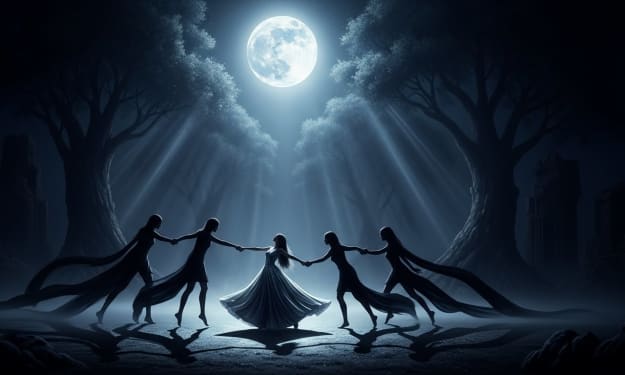
Blackout
Whispers of the Heart: The Timeless Beauty of Love Poetry
From ancient stone tablets to modern Instagram posts, love poetry has always found a way to speak to the human heart. In every culture and every language, people have written verses to express the most profound of all human emotions—love. But why does love poetry endure, even in an age of quick texts and fast connections? Love, after all, is both universal and deeply personal. It’s one emotion that can bring together strangers across time and space. When someone reads a love poem written centuries ago and still feels moved, that’s the magic of poetry—its power to transcend time, to preserve emotions, and to whisper truth from one heart to another. A Journey Through Time Some of the earliest love poems come from ancient Sumeria, carved into clay tablets more than 4,000 years ago. Even then, people were trying to capture that fluttering feeling in words. In Egypt, lovers composed verses filled with longing and admiration, comparing their beloveds to stars and flowers. In ancient India, the “Gita Govinda” celebrated divine love with sensual and spiritual poetry, while in China, the “Book of Songs” collected folk poems filled with tenderness and yearning. Across the world, cultures independently turned to poetry as a way to say what couldn’t be said any other way. Then came the great romantics of the world: Rumi with his spiritual longing, Shakespeare with his sonnets, Pablo Neruda with his passionate declarations. They gave voice to love in all its forms—joyful, aching, patient, and wild. Why Poetry Speaks So Deeply Unlike ordinary speech, poetry distills feeling into rhythm, metaphor, and music. A simple line like “I love you” becomes, in Neruda’s words, “I love you as certain dark things are to be loved, in secret, between the shadow and the soul.” That’s what makes love poetry so powerful. It says the same things we all feel—but in a way that’s beautiful, timeless, and unforgettable. Reading or writing love poetry can be healing. It helps people express emotions they may not fully understand. It allows lovers to communicate deeper feelings than a simple “I miss you” or “You’re special.” And for those who’ve lost love or are waiting for it, poetry can bring hope and peace. Modern Love, Eternal Words Today, love poetry is still alive—and thriving. You can find it on greeting cards, in wedding vows, on social media, and in bestselling books. Poets like Rupi Kaur, Lang Leav, and Atticus have made poetry popular again, especially among young people. But what’s beautiful is that anyone can write love poetry. You don’t need to be Shakespeare. You just need to be honest. One woman, Maya, started writing poems for her husband when they were dating. Years later, she compiled them into a small book as an anniversary gift. Her poems weren’t famous, but they captured their love story—and that made them priceless. Teaching Us How to Love More than just expressing love, poetry teaches us how to love better. It reminds us to slow down, to notice the details, to cherish the small moments. When you read a poem about someone watching their partner sleep, or walking hand in hand through the rain, it encourages you to do the same. To notice. To feel. To be present. Love poetry celebrates tenderness in a world that often rushes past it. It reminds us that love isn’t always loud or dramatic—it can be soft, patient, and enduring. A Poem for Every Heart Whether you’re deeply in love, healing from heartbreak, or dreaming of someone you’ve yet to meet, there’s a love poem out there that speaks for you. Try reading Rumi when you feel a spiritual longing. Neruda, when you want passion. Emily Dickinson, when you’re exploring quiet affection. Or write your own—just a few lines from your heart can become a lifelong treasure. In a world filled with noise, love poetry offers quiet beauty. In a time of distraction, it offers presence. And in moments of doubt, it offers hope. Because love, like poetry, never goes out of style. And the heart will always find a way to speak—sometimes, through a whisper in verse.
By Muhammad Saad 5 months ago in Poets
The Truth After Taste
Title: The Truth's Aftertaste The Long Shadow of a Lie The meal was perfect, a splendid feast, A conversation,never ceased. A story told,so smooth and bright, That filled the room with gentle light. I took it in,I drank it deep, A promise that you swore to keep. The flavor was of sweetest wine, I thought that pleasure was all mine.
By LegacyWords5 months ago in Poets
The Taste of Lies
The Taste of Lies “Bitter words linger longer than sweet ones, and some truths never wash away.” Lila always believed that honesty was like sugar—sweet, comforting, and easily savored. But over the years, she learned the other taste of the world: lies.
By waseem khan5 months ago in Poets
Voices That Inspire: The Timeless Power of Poets
Voices That Inspire: The Timeless Power of Poets How Poets Shape Culture, Stir Emotions, and Illuminate the Human Experience Through Words In every corner of the world, across centuries and civilizations, poets have captured the essence of what it means to be human. With just a few lines of verse, they have expressed joy, heartbreak, protest, and peace. They have given voice to the silent, language to the inexpressible, and comfort to those who seek understanding. Poetry, though often soft-spoken, has proven to be one of the loudest forces in culture, thought, and emotional resilience. Consider a poet sitting by a rain-slicked window, a notebook open, words flowing as naturally as the weather outside. Or think of another, standing before a microphone at an open mic night, performing spoken word that electrifies the room with truth and rhythm. These moments are small, but the impact can be profound. Poets are often seen as dreamers—people with their heads in the clouds. But they are also observers, historians, and emotional translators. They notice what others might miss: the way a child smiles at a stranger, the silence in a crowded elevator, the feeling of coming home after being away too long. Poets turn these details into art, and in doing so, help others see the world more clearly. Throughout history, poetry has played a central role in shaping societies. In ancient Greece, poets like Homer passed down legends and moral lessons. In Persia, Rumi explored the depths of love and spirituality, creating verses that still resonate today. During the Harlem Renaissance, Langston Hughes and other Black poets used poetry to express identity, struggle, and hope. And in more recent times, poets like Amanda Gorman have brought poetry to global stages, reminding the world of its relevance and beauty. Why does poetry endure when so much else fades? Because it speaks directly to the heart. A well-crafted poem can say more in a few stanzas than some speeches say in hours. Poets have a unique ability to compress truth into beauty, to take complex emotions and render them in language that feels simple, yet profound. Poetry also offers a form of healing. Many people turn to poetry in difficult times—during loss, heartbreak, or uncertainty. Whether reading or writing, poetry allows for emotional release. It helps people find meaning in pain and celebrate moments of peace. For some, a single poem read at just the right time can change everything. Take Maya Angelou’s Still I Rise—a bold and uplifting anthem of perseverance and dignity. Or Mary Oliver’s The Summer Day, which ends with the unforgettable question: “Tell me, what is it you plan to do with your one wild and precious life?” These poems do more than entertain; they inspire action, reflection, and growth. Poets today are as vital as ever. In classrooms, they teach children the power of language. In communities, they lead workshops that encourage self-expression and healing. Online, they share their work with global audiences, sparking conversations across cultures. And in quiet corners, they continue to write—sometimes without applause, but always with purpose. Even if you’ve never considered yourself a poetry lover, chances are a poem has touched you. Maybe it was read at a wedding or a funeral, printed inside a greeting card, or shared in a social media post. Poetry shows up when words need to carry more weight, when emotions run deeper than everyday speech can handle. In a world that often moves too fast, poetry asks us to slow down. To listen. To feel. And to connect—not only with each other but with ourselves. So the next time you pass by a book of poetry or hear a poet speak, pause. Give it a moment. You might find that the words on the page say exactly what you needed to hear. Poets are not just writers. They are guides, guardians of memory, and quiet revolutionaries. Their voices remind us that beauty exists, that emotions matter, and that language—at its best—can change the world.
By Muhammad Saad 5 months ago in Poets