
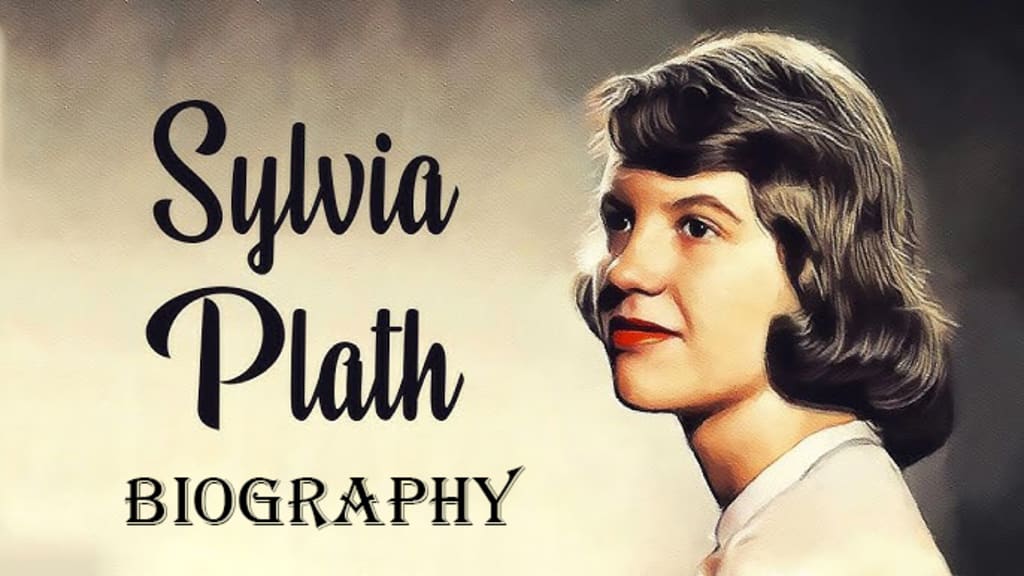
Sylvia Plath (1932–1963): A Profound Voice in Confessional Poetry
Sylvia Plath is one of the most celebrated poets of the 20th century, renowned for her vivid imagery, emotional intensity, and groundbreaking contributions to confessional poetry. Her works resonate with themes of identity, mental illness, and the complexities of the human experience. Despite her short life, Plath’s poetry has had an enduring impact on literature and continues to captivate readers worldwide.
Life and Background
Sylvia Plath was born on October 27, 1932, in Boston, Massachusetts, to Otto Plath, a German-born professor of entomology, and Aurelia Schober Plath, a second-generation Austrian-American. Her early years were marked by academic brilliance and creativity, but also by emotional challenges. Plath’s father died when she was just eight years old, a loss that deeply affected her and became a recurring theme in her poetry.
Plath excelled in academics, earning scholarships to prestigious institutions like Smith College and later Cambridge University, where she became involved in the literary scene. It was at Cambridge that she met English poet Ted Hughes, whom she married in 1956. Their relationship was tumultuous and deeply influential in her life and work. The couple had two children, Frieda and Nicholas, but their marriage eventually unraveled due to Hughes’ infidelity, contributing to Plath’s emotional struggles.
Plath's Poetry and Themes
Sylvia Plath’s poetry is known for its raw emotional power and psychological depth. Her work is often categorized as confessional poetry, a genre that emerged in the mid-20th century and focused on personal and intimate experiences, often exploring topics that were previously considered taboo.

Key Themes in Plath’s Poetry:
Mental Illness and Inner Turmoil
Plath struggled with depression for much of her life, a battle that profoundly influenced her writing. Poems like Lady Lazarus and Daddy convey her intense emotional pain, yet also reveal a fierce sense of resilience and creativity. Her poetry often captures the duality of despair and defiance, illustrating her ability to transform personal suffering into art.
Death and Rebirth
Death is a recurring motif in Plath’s work, not only as an expression of despair but also as a symbol of transformation and renewal. In Lady Lazarus, she famously likens herself to a phoenix, rising from the ashes of her struggles:
“Out of the ash / I rise with my red hair / And I eat men like air.”
This interplay between death and rebirth reflects her complex relationship with life’s challenges.
Identity and the Role of Women
Plath’s poetry often explores the tension between societal expectations and personal identity, particularly as a woman in the mid-20th century. In poems like The Applicant, she critiques traditional gender roles and the objectification of women:
“A living doll, everywhere you look. / It can sew, it can cook, / It can talk, talk, talk.”
Her work speaks to the constraints placed on women, as well as their desire for autonomy and self-expression.

Nature and the Sublime
Nature plays a prominent role in Plath’s poetry, often serving as a mirror for her emotions or a source of solace. In Ariel, for example, the imagery of riding a horse at dawn conveys both freedom and intensity, blending the natural world with her inner turmoil.
Plath’s Style and Technique
Plath’s poetic style is characterized by its striking imagery, emotional directness, and innovative use of language. Her ability to weave personal experiences into universal themes has made her work timeless and relatable.
Vivid Imagery
Plath’s poetry is rich with striking and often surreal imagery. She draws on the natural world, domestic objects, and mythological references to create evocative scenes. For instance, in Tulips, she writes:
“The tulips are too red in the first place, they hurt me. / Even through the gift paper I could hear them breathe.”
This vivid description captures her sense of alienation and sensory overload.

Confessional Tone
Plath’s work exemplifies the confessional mode of poetry, which seeks to explore deeply personal experiences without filtering or censoring emotion. This raw honesty is evident in poems like Daddy, where she confronts her fraught relationship with her father:
“I have always been scared of you, / With your Luftwaffe, your gobbledygoo.”
The poem blends personal trauma with larger historical and cultural references, creating a powerful emotional impact.
Innovative Structure and Form
While many of Plath’s poems adhere to traditional forms, she often experiments with structure, rhythm, and line breaks to enhance their emotional resonance. In Ariel, the rapid pace and enjambment reflect the poem’s sense of urgency and momentum.
Major Works
Ariel (1965)
Plath’s posthumous collection, Ariel, is considered her magnum opus. The poems in this collection, written in the final months of her life, are characterized by their intensity and brilliance. Key poems include Lady Lazarus, Ariel, and Edge.
The Colossus (1960)
This was Plath’s only poetry collection published during her lifetime. While less intense than Ariel, it showcases her evolving style and mastery of imagery.
The Bell Jar (1963)
Plath’s semi-autobiographical novel, The Bell Jar, provides insight into her struggles with mental illness. Written under the pseudonym Victoria Lucas, it explores themes of identity, societal expectations, and the desire for freedom.
Legacy and Impact
Sylvia Plath’s tragic death at the age of 30—by suicide on February 11, 1963—shocked the literary world. However, her work has continued to resonate with readers and writers alike, cementing her status as a literary icon.

Influence on Literature
Plath’s candid exploration of mental illness and emotional vulnerability paved the way for future generations of confessional poets, including Anne Sexton and Sharon Olds. Her ability to merge personal experience with universal themes has inspired countless writers.
Cultural Significance
Beyond literature, Plath’s work has had a profound impact on discussions of mental health, feminism, and creativity. Her life and poetry are often studied as a testament to the complexities of the human psyche.
Enduring Popularity
Decades after her death, Plath’s poetry continues to be celebrated for its emotional power and artistic brilliance. Her works are widely studied in schools and universities, and she remains a symbol of resilience and artistic integrity.
Conclusion
Sylvia Plath’s poetry is a testament to her extraordinary talent and her ability to transform personal pain into timeless art. Her work offers profound insights into the human condition, addressing themes of identity, mental health, and the struggle for meaning in an often challenging world. Despite her untimely death, Plath’s legacy endures, reminding us of the transformative power of poetry. Her voice remains as vital and compelling today as it was in her lifetime, speaking to the depths of emotion that connect us all.
About the Creator
Mr Ali
Hello EveryOne..!!
Hottest in the Office
Dear Rafi, You’re very distracting to work around. For the first second I saw you the other day, I thought you were some type of executive. It took a moment to realize no, you were just the new guy, dressed up for the job he wants. Be still, my heart.
By Gabriel Shames5 days ago in Pride




Comments
There are no comments for this story
Be the first to respond and start the conversation.