

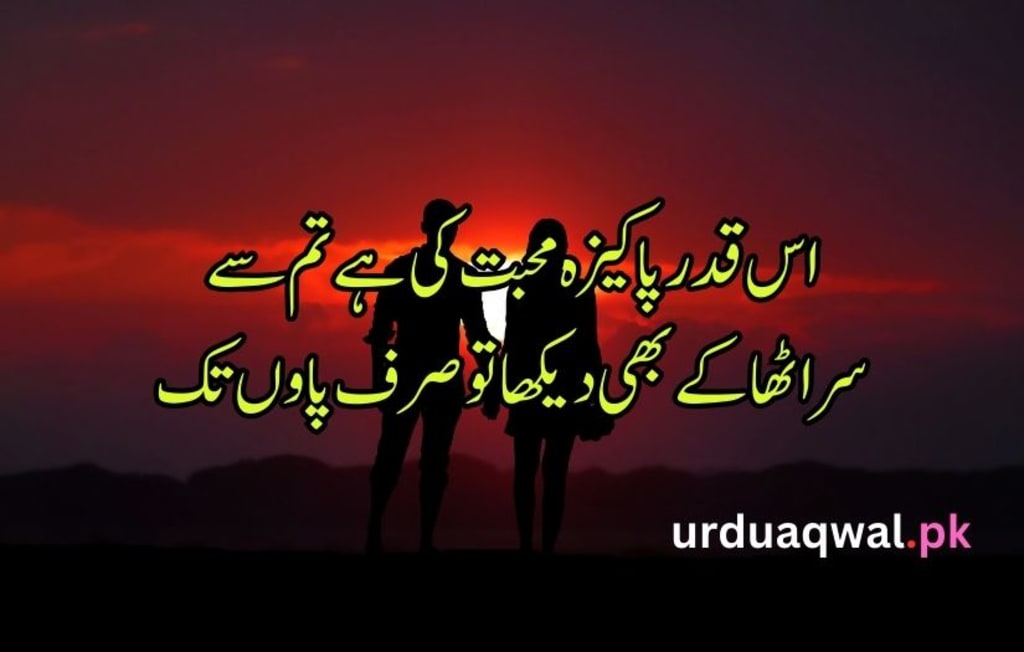
Sad poetry holds a special place in Urdu literature. It is a form of expression that portrays pain and sadness through powerful words. In Urdu, sad poetry is often referred to as "ghamgeen shaairi," and it resonates with the emotions of those who can relate to feelings of love, loss, and heartbreak. This type of poetry captures the melancholy of unfulfilled love, separation, betrayal in friendships, and the harsh realities of life.
The Impact of Sad Poetry
The impact of sad poetry is profound because it gives voice to deep emotions. Despite its heartbreaking nature, people are drawn to it as it shares the burden of their sorrows. In today’s digital age, sad poetry is widely shared on social media platforms like WhatsApp, Facebook, and Instagram, as people express their sadness and connect with others through these poignant verses.
Famous Urdu Poets and Their Sad Poetry
Some of the most notable poets in Urdu literature have made remarkable contributions to sad poetry. Faiz Ahmed Faiz, Ahmed Faraz, Mirza Ghalib, and Jaun Elia are just a few of the many poets who have captured the essence of pain and longing in their work. Their ghazals and nazms continue to touch hearts even today.
These are just glimpses of the depth and impact of Urdu sad poetry. Each verse tells a story of heartbreak, capturing the sorrow of unrequited love and separation.
Conclusion
Sad poetry in Urdu not only expresses pain but also offers comfort to those who feel they are not alone. Every word, every verse, tells a story of loss, allowing people to understand and process their emotions. This form of poetry has always been close to the hearts of people and will continue to be cherished for years to come.
About the Creator
Ali Hassan
Passionate quote writer sharing inspiring words on life, love, and motivation. Explore more of my work on q4quotes.org, where I aim to connect with readers and uplift spirits through meaningful storytelling. Join me for daily inspiration
Keep reading
More stories from Ali Hassan and writers in Poets and other communities.
Urdu Quotes: A Treasure of Wisdom and Inspiration
Urdu Quotes: A Treasure of Wisdom and Inspiration Urdu quotes, known as Aqwal-e-Zareen, are a timeless source of guidance and inspiration. Rooted in the cultural and literary richness of the Urdu language, these quotes reflect the wisdom of poets, scholars, and thinkers who have shaped the traditions of the East. From profound lessons about life and love to reflections on spirituality and self-improvement, Urdu quotes offer something meaningful for everyone.
By Ali Hassan8 months ago in Poets
Rachel Reviews: Lakefront Wolves by Joseph Deegan
Meet Finn. He's an 18 year old kid who has potential. He's bright with great school scores and he's also an athlete, a footballer of some prowess. He has it all going for him, it would seem, and yet, he's determined to send what could be a well-planned, stable existence firmly off the rails. He drinks, he smokes, he takes drugs, he has violent tendencies and he's in danger of losing not only his mind but all that he holds dear.
By Rachel Deeming4 days ago in BookClub



Comments
There are no comments for this story
Be the first to respond and start the conversation.