
Natalie Diaz: A Poetic Voice of Identity, Love, and Resistance
Natalie Diaz is a poet whose work reverberates with themes of identity, love, language, and the complexities of Indigenous and American existence. Born in 1978 and raised in the Fort Mojave Indian Village in Needles, California, Diaz is an enrolled member of the Gila River Indian Community. Her poetry is deeply rooted in her Mojave heritage, her experiences as a former professional basketball player, and her academic career as a poet and scholar. Through her evocative and lyrical verse, Diaz examines themes of colonialism, water rights, queer love, and the power of language. Her work is a testament to the resilience and richness of Indigenous culture while also challenging the forces that threaten it.
Early Life and Background
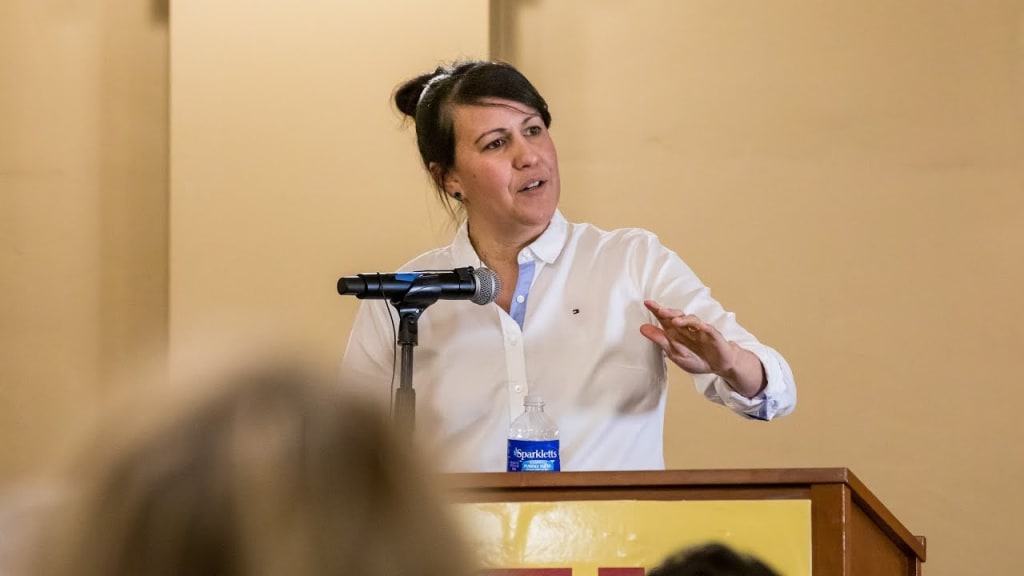
Diaz's upbringing in the Mojave Desert significantly influences her poetic voice. Growing up in a family deeply connected to Mojave traditions and languages, she was immersed in the narratives of her ancestors. However, her journey also involved navigating the challenges of being an Indigenous person in contemporary America, a theme that often surfaces in her poetry.
Before fully committing to poetry, Diaz had a successful career as a professional basketball player, playing internationally in Europe and Asia. This experience shaped her discipline, competitive spirit, and understanding of movement—elements that often find their way into her poetry. Later, she transitioned into academia, earning an MFA in creative writing and dedicating herself to the revitalization of the Mojave language, which is spoken by only a handful of people today.
Major Works and Themes
Diaz has published two major poetry collections: When My Brother Was an Aztec (2012) and Postcolonial Love Poem (2020). Each book presents a distinct yet interwoven examination of personal and collective histories, survival, and the beauty found within struggle.
When My Brother Was an Aztec (2012)
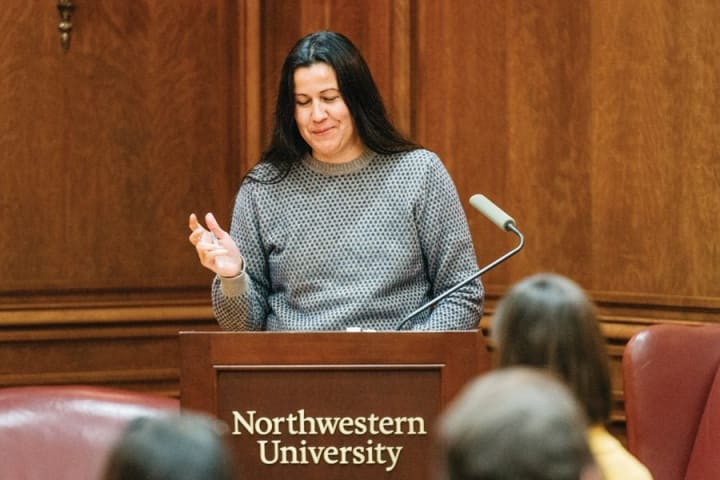
Diaz's debut collection is an unflinching portrayal of family, addiction, and Native American identity. The book’s central narrative revolves around her brother’s battle with drug addiction, particularly methamphetamine use, a crisis that has devastated many Indigenous communities. Diaz does not shy away from the pain and complexity of familial love, offering an intimate yet searing exploration of trauma and its ripple effects.
The poems in this collection also address broader social and historical injustices faced by Native Americans. By weaving together personal experiences with mythological and historical allusions, Diaz critiques the ongoing colonial legacy while celebrating the strength of her people. The title itself evokes a sense of myth and metaphor, positioning her brother’s struggles within a grander narrative of sacrifice and suffering.
Postcolonial Love Poem (2020)
Diaz’s second collection, Postcolonial Love Poem, was awarded the Pulitzer Prize for Poetry in 2021 and was a finalist for the National Book Award. This book marks an evolution in her style and thematic concerns. While still addressing Indigenous identity and survival, Postcolonial Love Poem shifts toward themes of love, intimacy, and the body as a site of both resistance and desire.
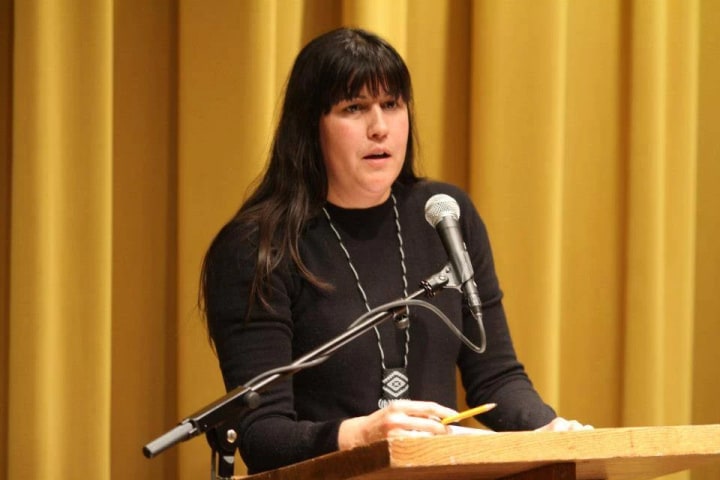
One of the central themes in this collection is water—both as a literal and metaphorical entity. Diaz, who works on water-rights activism in the Southwest, uses water as a symbol of life, loss, and sovereignty. In the poem “The First Water Is the Body,” she draws a direct connection between the bodies of Indigenous people and the Colorado River, emphasizing how colonial policies have endangered both.
Queerness and eroticism also take center stage in Postcolonial Love Poem. Diaz explores queer love as an act of defiance against historical erasure and violence. Her poems celebrate the beauty of the body, of touch, of desire, reclaiming love as a force of healing and affirmation. The collection’s titular poem, “Postcolonial Love Poem,” exemplifies this, offering a meditation on love that is both political and deeply personal.
Language and Style
One of Diaz’s most striking qualities as a poet is her ability to weave different linguistic registers, from English to Mojave, into her work. Her poetry often plays with syntax and rhythm, creating a musicality that enhances its emotional impact. She incorporates elements of storytelling, myth, and history, blending the past and present seamlessly.
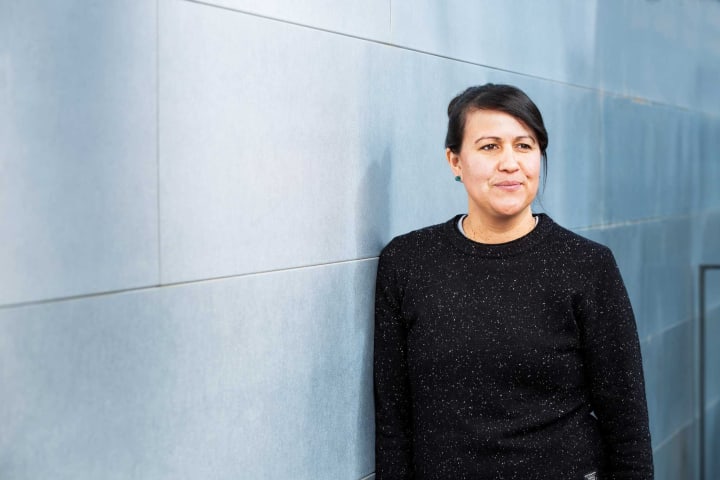
Diaz’s use of metaphor and imagery is particularly powerful. Her poems are vivid, tactile, and often sensual, engaging the reader on multiple levels. Whether describing the desert landscape, a lover’s body, or the struggles of her community, her language is rich and evocative.
Indigenous Identity and Activism
Beyond her literary achievements, Diaz is an advocate for Indigenous language preservation. She works on revitalizing the Mojave language, recognizing language as a crucial aspect of cultural survival. In her view, poetry itself is an act of resistance—it keeps alive the stories, rhythms, and worldview of her people.
Diaz also engages with contemporary issues affecting Indigenous communities, such as environmental justice, particularly regarding water rights in the Southwest. Her poetry serves as both an artistic and political tool, shedding light on issues that mainstream narratives often overlook.
Impact and Legacy
Natalie Diaz has cemented her place as one of the most vital voices in contemporary American poetry. Her work challenges readers to confront uncomfortable histories while also offering moments of profound beauty and tenderness. By bridging the personal and political, the lyrical and the historical, Diaz creates poetry that is both urgent and timeless.
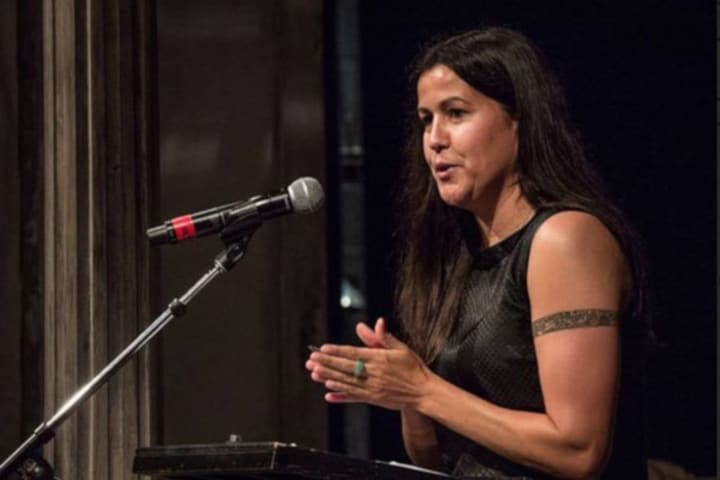
Her influence extends beyond poetry, inspiring conversations about identity, sovereignty, and the role of language in shaping cultural consciousness. As a poet, educator, and activist, she continues to pave the way for future generations of Indigenous writers and thinkers.
Conclusion
Natalie Diaz’s poetry is a powerful testament to survival, love, and the unbreakable ties between land, language, and identity. Through her work, she reclaims narratives that have been historically silenced, offering a vision of resilience and beauty in the face of adversity. Whether through the raw emotional landscapes of When My Brother Was an Aztec or the intimate yet expansive explorations in Postcolonial Love Poem, Diaz continues to redefine what poetry can be—a space of resistance, reverence, and radical love.
About the Creator
Mr Ali
Hello EveryOne..!!




Comments
There are no comments for this story
Be the first to respond and start the conversation.