
Mahmoud Darwish: A Life in Poetry and Exile
"A Life in Poetry and Exile"

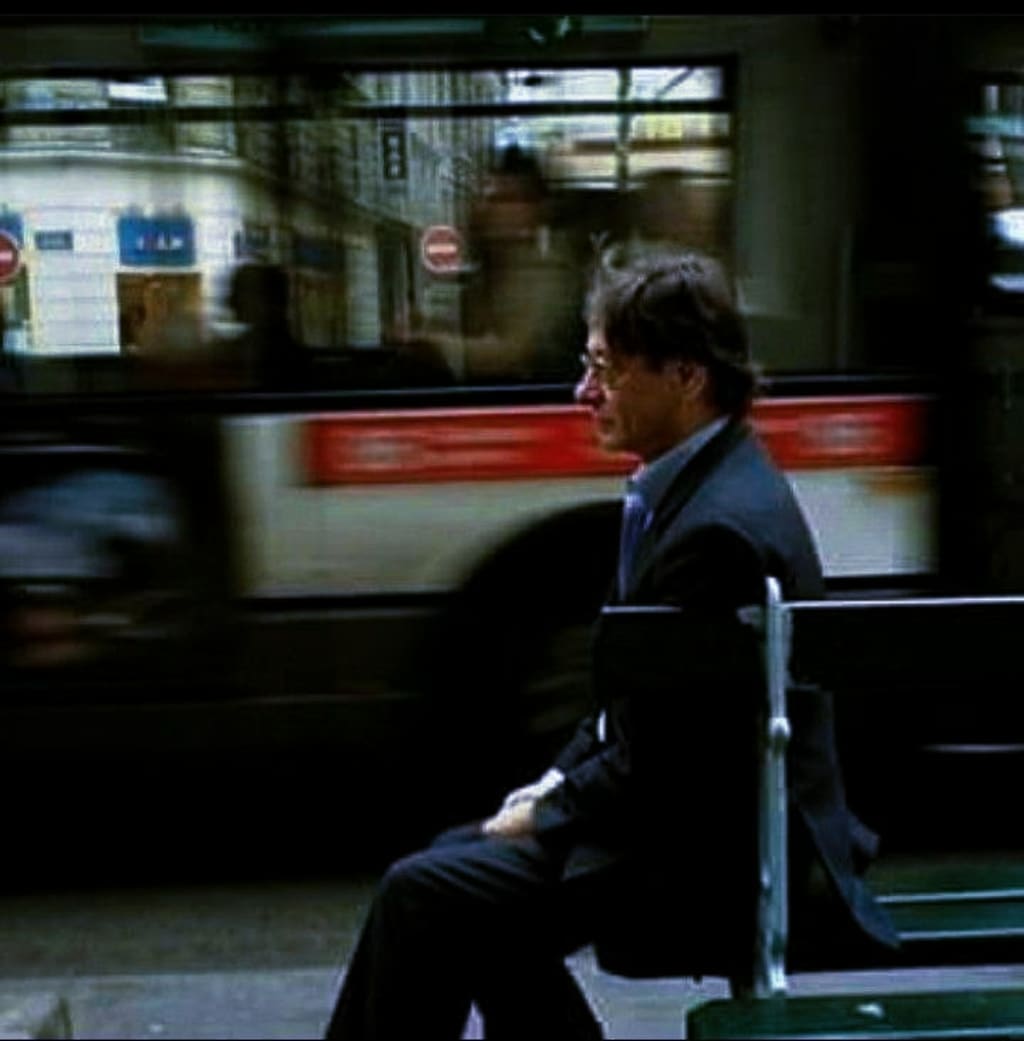
The Beginning of the Journey:
At the beginning of my journey, I saw myself as nothing more than a child playing under olive trees, but that simple moment carried the seeds of exile. I would listen to my grandmother telling stories about our village, al-Birwa, how the earth would sing when the rain fell, and little did I know that these tales would one day become my poetry, and that the olive tree I loved would become a symbol of departure and longing.
---
Childhood and Roots:
In the small village of al-Birwa, located in the Galilee in northern Palestine, Mahmoud Darwish was born in 1941. This village, with its towering mountains and blessed olive trees, was his first world. He was the fourth child in a humble Palestinian family who worked the land, struggling for a livelihood.
But in 1948, before he was seven years old, everything changed. The sound of explosions became a never-ending nightmare, and his family was forced to leave everything behind and flee to Lebanon, leaving their homes and dreams.
In one of his interviews, Mahmoud said: "I left al-Birwa, but al-Birwa never left me. It resides within me, every time I write, I feel as though I return to it."
---
Growing Up in Exile:
Life in exile was not easy for a young child. In Lebanon, Mahmoud and his family lived as refugees, dependent on humanitarian aid. During this time, he began to feel the weight of the word "refugee," and how it could rob a person of their identity and dignity.
However, Mahmoud found solace in the written word. He began reading everything he could get his hands on, from classic Arabic literature to world poetry. Poetry became his way of understanding the world that had turned upside down.
---
Return to Palestine:
After years of displacement, Darwish's family returned to Palestine, but they did not return to their village of al-Birwa. The village had been completely destroyed, and an Israeli settlement was built on its ruins. His family settled in a new village, but for Mahmoud, it was an alien land.
It was during this time that he began writing poetry. At first, he wrote about love and life, but soon he realized that the poetry flowing from his heart carried the wound of all of Palestine. His first published poem was a cry that reflected the pain of an entire people.
---
Poetry as Struggle:
As a teenager, Mahmoud began writing poems about occupation and exile. Poetry was not a hobby or a luxury for him; it became a form of resistance. His famous poem "Record, I am an Arab" became a symbol of Palestinian struggle, chanted everywhere.
But this rebellious voice did not go unnoticed. Mahmoud was repeatedly harassed and arrested for his words, which were seen as a threat. However, he never stopped writing; instead, his poetry became stronger than any weapon.
---
Exile Once Again:
In the 1970s, Mahmoud found himself once again in exile, moving between Arab and Western capitals. He carried his homeland in his heart and poetry. In every country he visited, Mahmoud became the Palestinian voice telling the world his people's story.
During this period, Darwish wrote some of his greatest works such as "Praise of the High Shadow" and "I Love You, or I Don't." His poetry wasn't just about the Nakba (the Palestinian catastrophe) and exile, but also about love, identity, and existential questions.
---
End of Part One:
"In every step of my life, I felt as though I carried a homeland on my shoulders. Poetry was my only home, the word was my weapon, and the poem was my window to the world. I didn’t choose to be a poet, but exile and displacement chose me to be the voice of the voiceless."
About the Creator
Ahmed Aboulhaggag
I'm a bilingual writer fluent in Arabic and English, creating engaging content across various topics. From creative writing to SEO, I deliver impactful, high-quality work that connects with audiences.
Keep reading
More stories from Ahmed Aboulhaggag and writers in Poets and other communities.
"How Social Media is Reshaping Relationships: Connection or Isolation?"
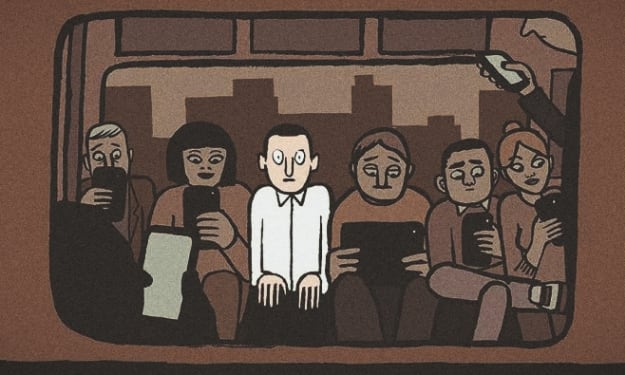
Introduction: Social media is no longer just a tool; it’s a lifestyle. With over 4.8 billion users globally, platforms like Instagram, Facebook, and TikTok have revolutionized how we interact. We can connect with loved ones across continents, build online communities, and share our stories with the world. But while these platforms promise connection, they also raise questions: Are they bringing us closer, or are they creating barriers to genuine relationships? In this article, we’ll explore the transformative power of social media, its impact on mental health, and how it’s reshaping the way we relate to one another.
By Ahmed Aboulhaggagabout a year ago in FYI
A Dart at Dusk
Seconds ago, the sullen sun set on the two of us… my exuberant furry companion and me. A fresh breeze embraces us, delivering welcome relief from the day’s oppressive heat. His typical stumbling and staggering along — apace with a sloth — has turned into trip-trapping, high-stepping, almost skipping along.
By Angie the Archivist 📚🪶4 days ago in Petlife


Comments
There are no comments for this story
Be the first to respond and start the conversation.