
"How Social Media is Reshaping Relationships: Connection or Isolation?"
Connection or Isolation..!?🤔

Introduction:
Social media is no longer just a tool; it’s a lifestyle. With over 4.8 billion users globally, platforms like Instagram, Facebook, and TikTok have revolutionized how we interact. We can connect with loved ones across continents, build online communities, and share our stories with the world. But while these platforms promise connection, they also raise questions: Are they bringing us closer, or are they creating barriers to genuine relationships? In this article, we’ll explore the transformative power of social media, its impact on mental health, and how it’s reshaping the way we relate to one another.
---
The Power of Connection: Social Media’s Benefits
Social media has redefined what it means to stay connected.
Bridging Geographical Gaps:
Imagine a father watching his daughter’s wedding live from thousands of miles away or friends sharing laughs in a group chat despite being on different continents. Platforms like WhatsApp and Zoom make such moments possible, reducing the impact of distance.
Creating Supportive Communities:
Social media offers solace to those seeking connection. From mental health forums to fitness groups, these platforms empower people to share their struggles and triumphs. For instance, cancer survivors often find encouragement in dedicated online communities, helping them feel less alone in their battles.
Fueling Creativity and Innovation:
Platforms like TikTok and Instagram have become canvases for creators to showcase their talents. From viral dances to impactful storytelling, social media has given a voice to millions who might never have found a stage.
---
The Hidden Costs: Social Media’s Negative Impact
However, the shiny exterior of social media conceals some troubling realities.
The Loneliness Paradox:
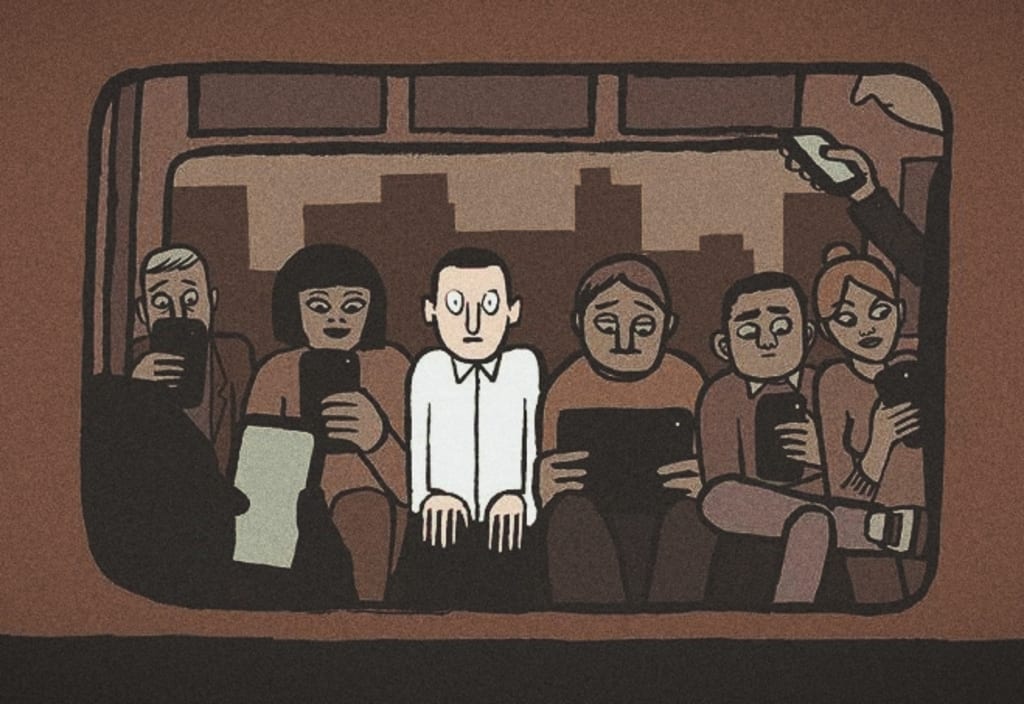
While social media connects billions, it’s also making people lonelier. A study by the American Psychological Association found that excessive social media use correlates with feelings of isolation, as online interactions replace face-to-face communication.
The Comparison Trap:
Scrolling through highlight reels of vacations, accomplishments, and perfect selfies can make even the most confident individuals feel inadequate. This "comparison trap" leads to anxiety, depression, and reduced self-esteem.
Addiction to Validation:
The rush of receiving likes and comments triggers dopamine release, creating a cycle of dependency. People start prioritizing online validation over real-world achievements, affecting their relationships and mental health.
---
Real-Life Stories: Social Media in Action
A Story of Empowerment:
Meet Ahmed, a young entrepreneur from a small town. Using LinkedIn and Twitter, he connected with professionals in his field, attended virtual networking events, and eventually secured funding for his startup. Social media became his launchpad to success.
A Story of Struggle:
On the flip side, Sarah, a university student, found herself increasingly isolated. Despite having thousands of followers on Instagram, she felt disconnected from her friends. The hours spent curating her online persona came at the cost of genuine relationships, leaving her more lonely than ever.
---
The Way Forward: Balancing Connection and Disconnection
Social media is a double-edged sword. To harness its benefits while minimizing its downsides, consider these tips:
1. Set Boundaries: Limit your screen time with apps that track usage or designate "no-phone zones" during meals or family time.
2. Foster Real Relationships: Schedule regular in-person meetups with friends and loved ones.
3. Be Mindful of Your Feed: Follow accounts that inspire positivity and promote growth, avoiding those that fuel comparison or negativity.
4. Take Breaks: Periodically disconnect from social media to recharge and reconnect with the offline world.
---
Conclusion:
Social media is a powerful tool, but it’s up to us to use it wisely. It can strengthen bonds, create opportunities, and foster communities, but only if we avoid its traps of isolation, comparison, and addiction. By finding balance, we can ensure that social media serves as a bridge to connection rather than a barrier.
So, how has social media shaped your life? Has it brought you closer to loved ones, or has it created distance? Share your thoughts in the comments—because in this interconnected world, your story matters.
About the Creator
Ahmed Aboulhaggag
I'm a bilingual writer fluent in Arabic and English, creating engaging content across various topics. From creative writing to SEO, I deliver impactful, high-quality work that connects with audiences.
Keep reading
More stories from Ahmed Aboulhaggag and writers in FYI and other communities.
Mahmoud Darwish: A Life in Poetry and Exile
The Beginning of the Journey: At the beginning of my journey, I saw myself as nothing more than a child playing under olive trees, but that simple moment carried the seeds of exile. I would listen to my grandmother telling stories about our village, al-Birwa, how the earth would sing when the rain fell, and little did I know that these tales would one day become my poetry, and that the olive tree I loved would become a symbol of departure and longing.
By Ahmed Aboulhaggag12 months ago in Poets
A Failed Artist, A Disillusioned Poet, An Underpaid Game Show Host
I took my son and niece to Gori, a small town in Georgia where Joseph Stalin was born. They talked me into visiting the Stalin's Museum, the largest in the post-Soviet space. I had resisted going there because I just can't stand the monster and know enough about him, or so I thought.
By Lana V Lynx6 days ago in FYI
Have You Seen This Man? The Surreal Mystery of the World’s Most Common Face
Have you ever woken up with the lingering image of a stranger’s face in your mind? For most of us, these faces fade within minutes. But for thousands of people across the globe, one specific face refuses to leave: a man with thick eyebrows, thinning hair, and a subtle, unreadable smile.
By Areeba Umairabout 14 hours ago in FYI
Bruce Lee and The God of War: Kuan Ti
It starts with love.. The Power to the God Of War and Wealth Walk into a Chinese restaurant (even in Oklahoma, USA), a Chinese police station, a kung fu martial arts studio or even a Chinese temple and you often see a red faced warrior holding a heavy quan-do (spear like weapon).
By WILD WAYNE : The Dragon King5 days ago in Chapters


Comments
There are no comments for this story
Be the first to respond and start the conversation.