


Overwhelming dread
a quivering line
on the edge of my vision
fine hairs moving at will
vomitous tension
burned out and rebuilt
over and over again
day in and day out
like waves
rolling over an ocean
of dry dead blades
constant vibrant blackness
radiating from my pores
my eyes shining in the dark
walking through like noon time
every time lips part
only puffs of smoke are emitted
even in my despair
I tried to sound the warning
it was for naught
the hour far too late
nothing left of me to save
explosion imminent
no one but me ever
heard my plea
now, I walk alone
through a dried-up fetid sea
Searching the rushing sheaves
for any non-consumed identity
K.B. Silver
When I read the book Watership Down in the second grade, my life wasn’t blasted wide open. The fetid rot destroying my family from the inside wasn’t laid bare. However, I did connect with Fiver. I understood the pain and the plight of knowing something is terribly wrong, but because of youth or the inability to vocalize it, the correct steps aren’t taken in time. In fact, I was constantly being questioned and ignored, because if I couldn't come up with a snap explanation, then I was lying. Every single word I said as a child was accused of being and examined for lies.
Or worse yet, action is organized, but it falls short of helping anyone. Failure, pain, and death still overtake the hardworking and good; these issues are ones that we all have to come to terms with. Watership Down is an excellent book to help young readers connect with these messages. It is shocking how many people still seem to have the opinion that if something bad happens to you, you deserve it, even towards children.
Secondarily, I have long had a serious issue with the word “intuition.” I see it as a highly gendered word, and one that both men and women use to discount real information processing abilities we just can't explain fully. Especially ignoring these feelings in children is more than hypocritical; it's dangerous. Like Fiver's community of rabbits whose warren gets destroyed, families and even entire communities are being destroyed by secret crimes kept hidden on purpose.
When you tell children over and over to let adults know when anyone makes them “feel uncomfortable,” but require mountains of evidence and trial-like explanations of how they came to the conclusion that people are “making them feel uncomfortable,” it is detrimental to how our society is set up and destroys trust between children and adults. No one wants to be abused AND interrogated on top of it, then told they didn't have good enough answers to get the help they desperately need.
I think it has become clear to everyone in the last few months why even adults don't come forward with the truth of their abuse. My family said, of course, we believe you, because if they hadn't said so, they would look bad, and my mother could never look bad, but no matter what had happened to me, it was called into question. My memory, broken from the abuse, was used against me.
That person? Not who did it. That action? Never taken. They didn't believe at all. Any time I wanted to go to the police, that wasn't going to be allowed, and we moved; sometimes across town, sometimes across the country. Now that I realize my mother knew the whole time and helped coordinate the abuse, my family's reaction makes a lot more sense. A child, especially, is not equipped to prove the guilt of an offender. That is supposed to be the job of the police, even if they have taken up the cause of the abusers.
About the Creator
K.B. Silver
K.B. Silver has poems published in magazine Wishbone Words, and lit journals: Sheepshead Review, New Note Poetry, Twisted Vine, Avant Appa[achia, Plants and Poetry, recordings in Stanza Cannon, and pieces in Wingless Dreamer anthologies.
Keep reading
More stories from K.B. Silver and writers in Poets and other communities.
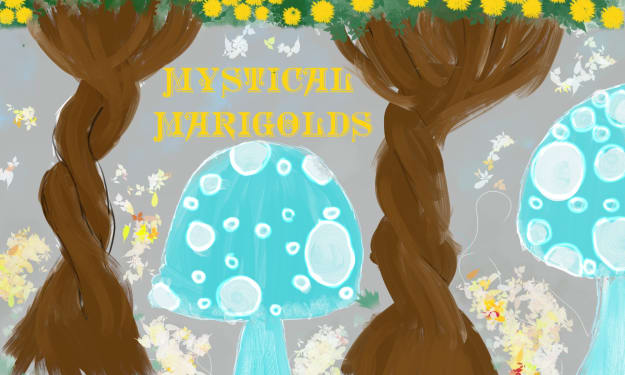
Mystical Marigolds and Spindle Mushrooms
Name: Mystical Marigolds Physical Characteristics: Similar to the smaller, standard marigold, the Mystical Marigold was enhanced by Alchemists to grow into trees, with twisting, woody trunks and a mushroom-shaped crown dotted with marigolds the size of a human hand.
By K.B. Silver Exclusive • 3 months ago
Do You have a Support Network?
Life is harder when you’re on your own. Human beings are social creatures, and we usually feel better when we have support from a strong social network around us. For most people, it’s our families that hold us together like glue.
By Elizabeth Woodsabout 12 hours ago in Psyche



Comments
There are no comments for this story
Be the first to respond and start the conversation.