
HOW TO FIND PRECIOUS STONES IN ANY RIVER
A Beginner's Guide to Gemstone Prospecting and Collecting
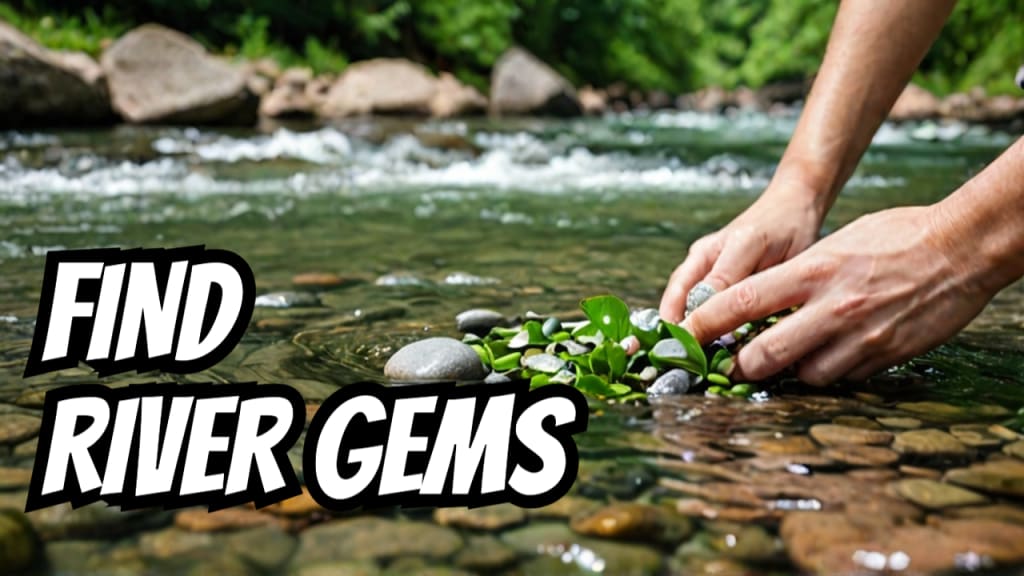
This document serves as a comprehensive guide for beginners interested in the exciting hobby of gemstone prospecting and collecting. It covers essential concepts, techniques, and practical tips to help enthusiasts understand the geological formation of gemstones, identify various types, and successfully collect them. Whether you're exploring rivers, mountains, or quarries, this guide will equip you with the knowledge needed to embark on your gemstone hunting journey.
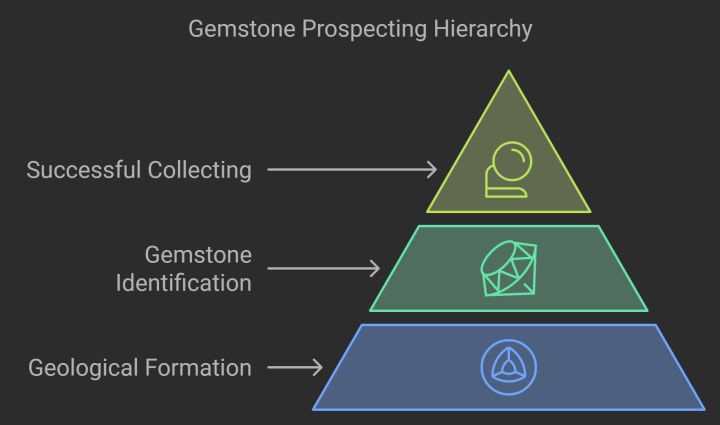
. Understanding Gemstone Prospecting & Collecting
Gemstone prospecting and collecting is an engaging activity that combines a love for nature with the thrill of discovery. Understanding the geological formations that lead to the presence of gemstones is crucial for successful prospecting. This section will cover the importance of geological knowledge, prospecting techniques, identification methods, and practical tips for success.
II. Prospecting for Gemstones: A Beginner’s Guide to Finding Precious Treasures

Introduction
Gemstone prospecting is a rewarding hobby that connects you with nature and offers the excitement of uncovering precious treasures. This section will guide you through the foundational aspects of gemstone prospecting.
The Formation of Gemstones
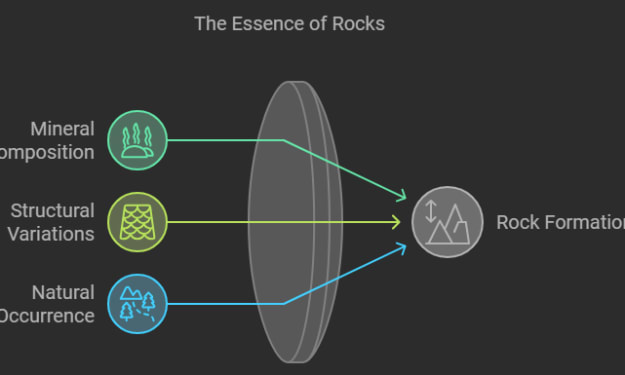
Gemstones are formed through various geological processes involving heat, pressure, and time. Understanding these processes can inform your prospecting strategies and help you identify potential gemstone locations.
Prospecting for Gemstones
Researching the Area
Before heading out, it's essential to conduct thorough research on the geological history of potential prospecting sites. Utilize online resources, geological surveys, and local expertise to identify areas known for gemstone deposits.
Alluvial Deposits
Alluvial deposits, formed by erosion, are often found in creeks and riverbeds. These locations are prime spots for gemstone hunting, as they can contain a variety of gemstones washed down from their original sources.

Indicators of Gemstones
When prospecting, look for initial indicators of gemstone presence within alluvial deposits. Small gravel and fragments, as well as materials like jasper, petrified wood, agate, and chalcedony, can signal the presence of gemstones.
Types of Gemstones
This section explores the diversity of gemstones and their unique characteristics.
Jasper
Jasper is a vibrant and patterned gemstone that originates from chalcedony. It is commonly used in jewelry making due to its striking appearance.
Petrified Wood
Petrified wood is formed through the mineralization of ancient trees, resulting in a unique blend of organic and mineral qualities. It often displays beautiful ring patterns.
Agate
Agate is a banded form of chalcedony known for its fine-grained structure and vibrant colors. It can contain geodes and is popular for jewelry and decorative items.
Chalcedony
Chalcedony is a cryptocrystalline form of quartz with a smooth texture and diverse color range, making it suitable for jewelry and carvings.
Identifying Gemstones
Identifying gemstones involves observing their unique attributes.
Physical Characteristics
Pay attention to physical characteristics such as color, hardness, transparency, and luster. Careful examination under proper lighting can aid in identification.
Microscopic Examination
Using a microscope can reveal unique characteristics of gemstone surfaces and internal structures, assisting in identification and authenticity verification.
Professional Identification
For accurate identification and appraisal, consider consulting professional gemologists or lapidaries.
Collecting Gemstones
Collecting gemstones involves more than just finding and identifying them.
Tools and Equipment
Essential tools for prospecting include a rock hammer, chisels, safety goggles, gloves, containers, and a hand lens or jeweler’s loupe.
Safety Precautions
Prioritize safety while prospecting by wearing protective gear and exercising caution when handling tools or traversing terrain.
Cleaning and Preservation
Proper cleaning and preservation of collected specimens are vital. Use mild soap, water, and specialized solutions, avoiding harsh chemicals, and ensure proper storage.
Popular Gemstone Locations
Explore globally abundant gemstone-rich locations for diverse prospecting opportunities.
Rivers and Creeks
Rivers and creeks are ideal locations due to deposits from ancient rivers. Notable examples include Yogo Gulch and Herkimer Diamond Mines.
Mountains and Rock Formations
Mountainous regions can serve as potential sources of gemstone deposits due to tectonic forces and mineral-rich veins. Research specific formations and associated gemstones.
Mines and Quarries
Mines and quarries offer structured opportunities for gemstone collection, providing access to a variety of gemstones in controlled environments.
Conclusion
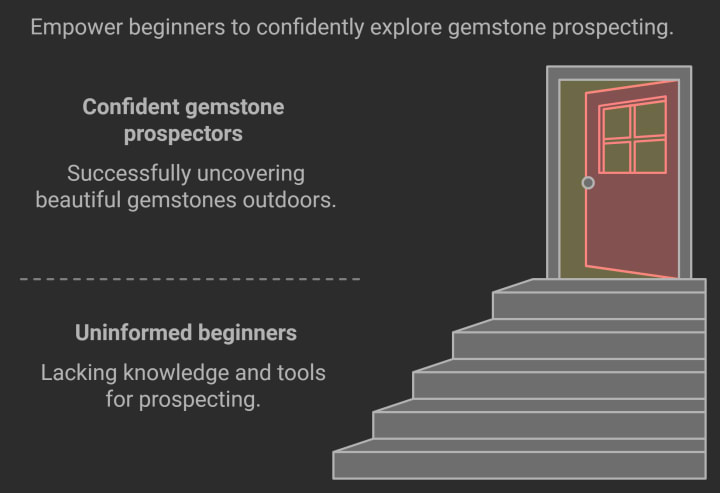
This guide encourages beginners to confidentl

y embark on their gemstone prospecting journey. With the right knowledge, tools, and safety precautions, you can uncover the beauty of gemstones while enjoying the great outdoors. Happy prospecting!

About the Creator
Keep reading
More stories from SUNMOONBAY LLC and writers in Poets and other communities.
The Hidden Language Of Crystals: How To Understand Gem Energy
This document aims to clarify the distinctions between gems and crystals, providing definitions, classifications, and answers to frequently asked questions. By understanding these differences, readers can appreciate the unique qualities of each and their significance in various contexts, particularly in jewelry and mineralogy.
By SUNMOONBAY LLCabout a year ago in Poets
Hottest in the Office
Dear Rafi, You’re very distracting to work around. For the first second I saw you the other day, I thought you were some type of executive. It took a moment to realize no, you were just the new guy, dressed up for the job he wants. Be still, my heart.
By Gabriel Shames5 days ago in Pride



Comments
There are no comments for this story
Be the first to respond and start the conversation.