
How Long Does Grief Echo?
Sometimes love lingers not in sight, but in sound.

How Long Does Grief Echo?
Sometimes love lingers not in sight, but in sound.
The house is quiet now, but not silent
Silence is heavy, absolute, the kind that presses against your ribs until you choke on it. This is not silence. This is something else — a thin, shifting hush that still carries traces of what once was.
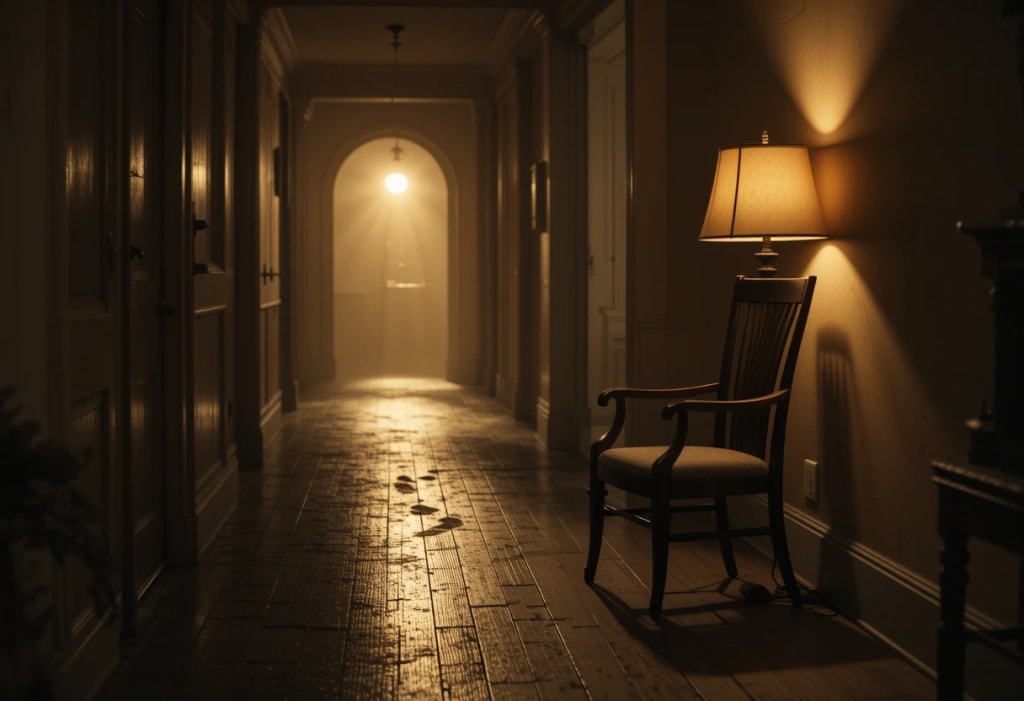
I live alone here, yet some nights I hear footsteps in the hall.
They are not ghostly. They do not come with whispers or shadows, no doors creaking open, no curtains stirring as though by unseen hands. These sounds are softer, more intimate. Familiar.
The steady rhythm of you walking from the bedroom to the kitchen. The pause you always made at the window by the stairs. The way the floorboards betrayed your weight in one particular spot near the dining room.
I tell myself it is memory. The body holds echoes, after all. A house too. Wood remembers, air remembers, love remembers.
Still, every time I hear them, my heart stumbles in my chest. For a moment, I believe you are home again.
The first time it happened was two weeks after the funeral. I had been washing dishes, the clink of plates filling the kitchen, when the sound reached me — a faint, deliberate step across the hall.
My hands froze in the soapy water.
I listened.
Another step. Then another. Slow, familiar.
I wiped my hands and followed, half-believing, half-terrified. The hallway was empty. The only witness was the framed photograph of us on the wall, you smiling with that half-smirk I had fallen in love with.
I pressed my forehead to the glass. “If it’s you,” I whispered, “don’t stop.”
But the footsteps had already faded.

Since then, they come and go like the weather. Some days the house is still. Some days the echoes return with startling clarity, tracing the routes you once walked a hundred times.
I’ve begun to learn their language.
When the sound drifts from the living room, slow and steady, I know it is memory of evenings spent curled together on the sofa, your arm around me as the clock ticked past midnight.
When the footsteps rush toward the door, I hear the echo of your impatience — the way you always hated being late, tapping your heel as I searched for my keys.
And when the sound lingers near the kitchen, I almost smell the coffee you brewed each morning, strong enough to wake me before the first sip touched my lips.
They are not ghosts, I remind myself. They are the music of absence, the rhythm of love refusing to let go
But sometimes, I wonder.
How long can grief echo before it fades?
How long before even the floorboards forget the sound of you?
The thought terrifies me more than death itself — the idea that one day the house will be truly silent, and I will strain to remember the cadence of your steps, only to find it gone.
So I listen. I hold my breath and strain for each faint creak, each shifting sound, as though catching rain in a desert.
Last night, the echoes were clearer than ever.
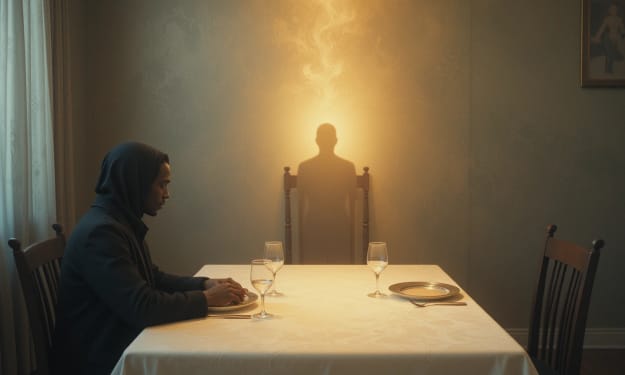
I was sitting at the dining table, the lamp casting a warm circle of light, when I heard it: the distinct sound of you crossing the hall. Not faint this time, but sharp, sure.
I looked up, pulse hammering, and for the first time, I didn’t move.
I didn’t chase the sound, didn’t search the empty rooms. I just sat and let the rhythm of your footsteps pass through me like a tide.
And in that moment, it wasn’t grief I felt, but gratitude.
For the echo means you are not entirely gone. For the echo means love lingers in this house, stitched into the wood, the air, the marrow of my bones.
When the steps faded, I closed my eyes and whispered, “Walk with me again tomorrow.”
Morning has come now, pale light spilling across the floorboards you once wore down.
The house is quiet, but I know it is not silent. Somewhere beneath the hush, your steps wait to be heard again.
And when they come, I will listen.
For grief does not end. It does not leave. It only echoes — softly, endlessly — across the spaces we once shared.
How long does grief echo?
As long as love does.
About the Creator
Keep reading
More stories from waseem khan and writers in Poets and other communities.


Comments
There are no comments for this story
Be the first to respond and start the conversation.