
Blockchain vs Distributed Ledger: Which is the Right Choice for Your Business?
Blockchain vs Distributed Ledger

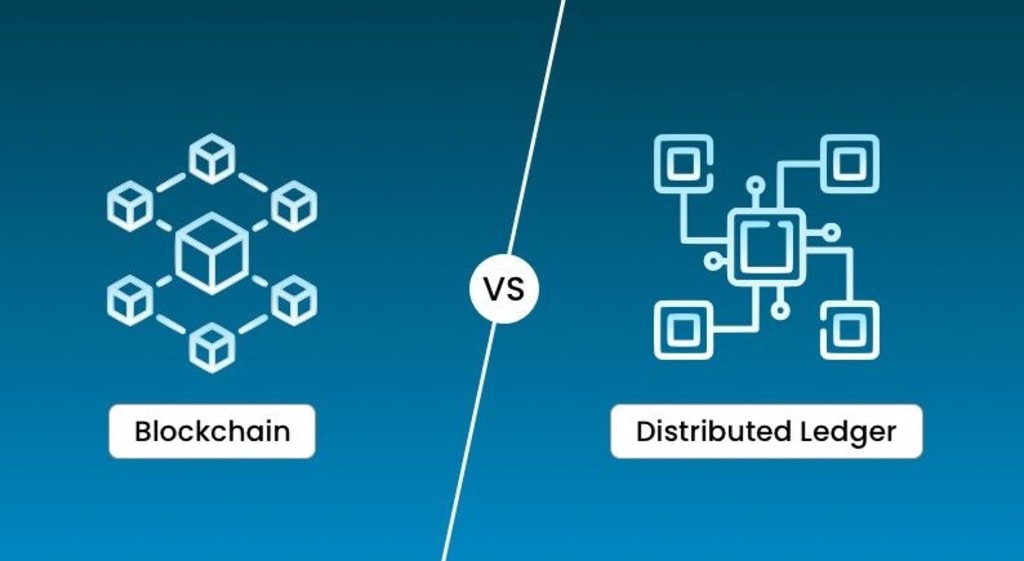
Businesses are increasingly looking to creative solutions to improve productivity, transparency, and security in the ever changing world of technology. When talking about these solutions, the terms distributed ledger technology (DLT) and blockchain are commonly used. Even though they are frequently used together, knowing the distinctions and uses of each can assist your company in making the right decision. The key features of DLT and blockchain are discussed in this article, along with their benefits and drawbacks, and factors for choosing the best option for your company.
What is Blockchain?
Blockchain is a specific type of distributed ledger technology that records transactions in a secure and transparent manner. It consists of a chain of blocks, where each block contains a list of transactions. Key characteristics of blockchain include:
- Decentralization: Unlike traditional databases managed by a central authority, blockchain operates on a decentralized network of nodes. This means no single entity controls the entire chain, enhancing security and reducing the risk of fraud.
- Immutability: Once a block is added to the chain, it cannot be altered or deleted. This feature ensures data integrity and builds trust among participants.
- Transparency: All transactions are visible to all participants in the network, promoting accountability and fostering trust.
Pros of Blockchain
- Security: The decentralized nature and cryptographic principles of blockchain provide a high level of security against unauthorized access and tampering.
- Traceability: Each transaction is recorded with a timestamp, making it easy to track the history of transactions and assets.
- Smart Contracts: Blockchain can support smart contracts—self-executing contracts with predefined rules, streamlining processes and reducing the need for intermediaries.
Cons of Blockchain
- Scalability Issues: Public blockchains can experience slow transaction times and high fees during peak usage periods.
- Energy Consumption: Some blockchain networks, especially those using proof-of-work mechanisms, can consume significant energy.
- Complexity: Implementing blockchain technology requires expertise and can be challenging for businesses lacking technical resources.
What is Distributed Ledger Technology (DLT)?
Distributed Ledger Technology is a broader category that encompasses various types of databases that are spread across multiple locations or participants. Unlike blockchain, DLT does not require the data to be organized in blocks. Key features include:
- Variety of Structures: DLT can take many forms, including those that do not use cryptographic techniques or blocks to organize data.
- Permissioned vs. Permissionless: DLT can be either permissioned (restricting who can access and alter the ledger) or permissionless (open to anyone).
Pros of Distributed Ledger Technology
- Flexibility: DLT can be customized to suit specific business needs, allowing organizations to design a system that meets their operational requirements.
- Reduced Costs: In some cases, DLT can offer lower transaction fees compared to traditional databases and blockchain networks.
- Faster Transactions: Some DLT systems can process transactions more quickly, especially in permissioned networks where participants are known.
Cons of Distributed Ledger Technology
- Less Security: Depending on the implementation, DLT may not offer the same level of security as blockchain, especially in systems without strong cryptographic measures.
- Centralization Risks: In permissioned DLT systems, central authorities may retain more control, which could negate some of the benefits of decentralization.
- Regulatory Challenges: DLT may face regulatory scrutiny, particularly if it operates in sectors that require strict compliance.
Blockchain vs Distributed Ledger: Choosing the Right Option for Your Business
When deciding between blockchain and distributed ledger technology, consider the following factors:
Use Case: Assess the specific needs of your business. If you require high security, transparency, and traceability, blockchain may be the better option. For applications needing flexibility and customization, DLT may be more suitable.
Scalability Requirements: Consider your anticipated transaction volume. If you expect high volumes, evaluate the scalability of the chosen technology to ensure it can handle future growth.
Regulatory Compliance: Be aware of the regulatory landscape surrounding your industry. Some sectors may require more stringent compliance measures, influencing your choice of technology.
Technical Expertise: Evaluate your team’s technical capabilities. Blockchain implementation often requires specialized knowledge, while DLT might be more accessible for organizations with varying levels of technical expertise.
Budget: Analyze the cost implications of both technologies. While blockchain can offer significant long-term benefits, initial implementation costs may be higher compared to some DLT systems.
Conclusion
In the discussion of blockchain vs distributed ledger, both technologies offer unique benefits and challenges, making them suitable for different business scenarios. By understanding their distinctions and evaluating your organization's specific needs, you can make an informed choice that aligns with your goals. Whether you opt for blockchain’s robust security features or DLT’s flexibility, leveraging these technologies can enhance your operations, improve transparency, and ultimately drive business success.
About the Creator
Andrew Thomas
Hi, I'm Andrew Thomas, working at Debut Infotech, a leading blockchain development company. With a highly skilled team, we’ve built over 150+ platforms for startups and enterprises.
Keep reading
More stories from Andrew Thomas and writers in Poets and other communities.
Android vs iOS: Which Platform Should You Build For First?
If you’re planning to launch a new mobile app, one of the first big questions you’ll face is: Should I build for Android or iOS first? Both platforms have millions of users worldwide, but they are quite different in many ways. Choosing the right platform to start with can have a big impact on your app’s success, your development timeline, and your budget.
By Andrew Thomas9 months ago in 01
So You Decided To Become a Nurse Practitioner:
So you decided to become an "Advanced Practice" nurse. Congratulations!... is what I would say if this was a good idea. Grad school? In this economy? What were you thinking? Likely it was something along the lines of either 1) “I've seen these other chucklefucks do it— Why can't I?” or even 2) “I've got a nice career, I should shake it up. I miss feeling like I have no clue what I'm doing.”
By Sandor Szaboa day ago in Fiction


Comments
There are no comments for this story
Be the first to respond and start the conversation.