
All the world's a stage, And all the men and women merely players by William Shakespeare
An infant enters the world, helpless and pure, mewling in the nurse's arms, symbolizing the raw vulnerability of human existence. The schoolboy follows, reluctantly dragging his satchel, creeping like a snail to school, embodying the universal struggle between curiosity and institutional learning.

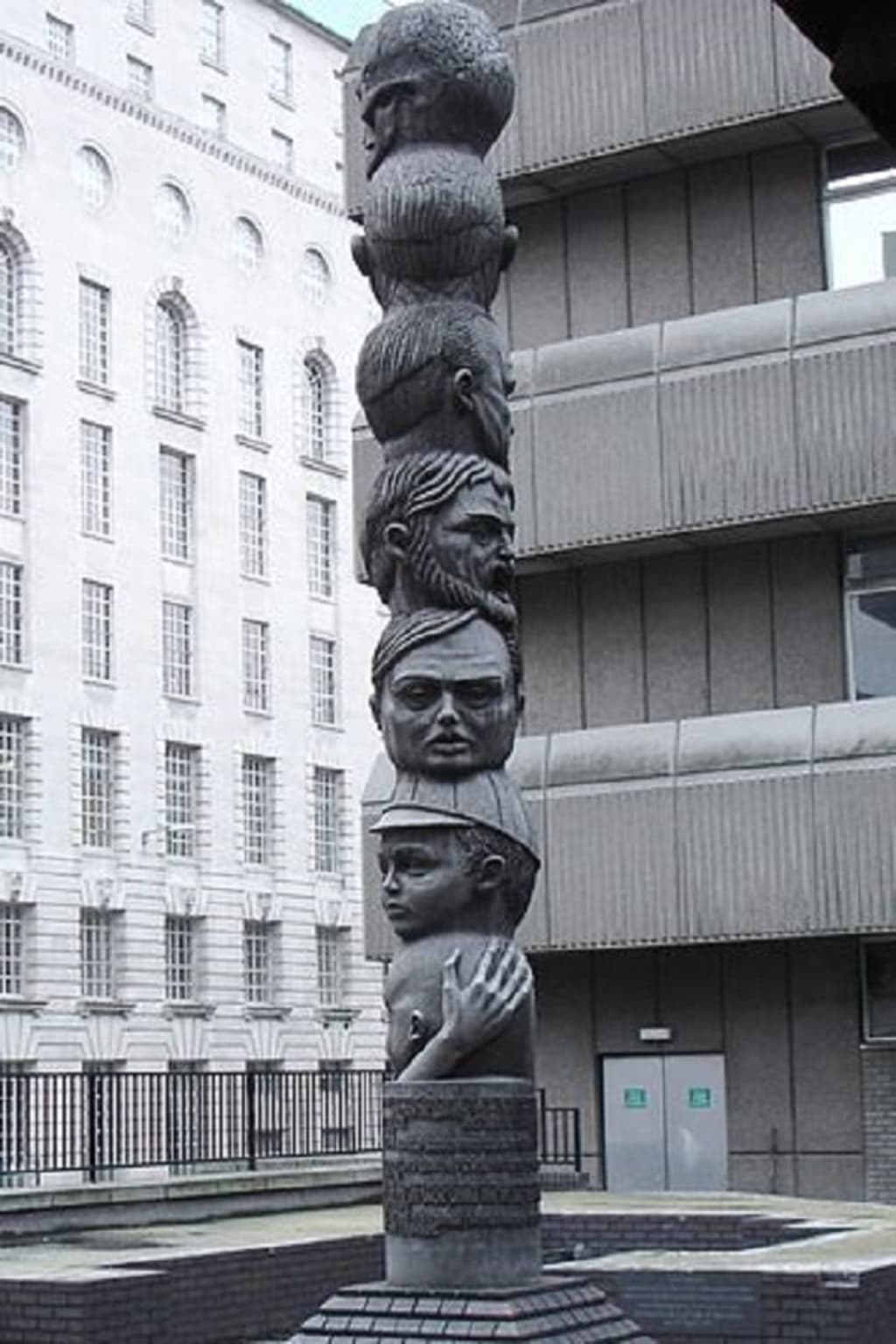
William Shakespeare’s monologue from “As You Like It” (Act II, Scene VII) unfolds the metaphor of life as a theatrical performance. The lines, delivered by the melancholic Jaques, encapsulate the human experience through seven distinct stages. Each phase reflects a universal truth about the progression of life, imbued with Shakespeare's poetic genius. Below, we delve into the rich layers of meaning in this timeless excerpt.
"All the world's a stage,
And all the men and women merely players;
They have their exits and their entrances,
And one man in his time plays many parts."
Shakespeare begins by presenting life as a grand theatrical production. The "stage" symbolizes the world, where individuals perform their roles. "Exits and entrances" capture life's transient nature—births and deaths define the cyclical rhythm of existence. The "many parts" an individual plays signify the evolving roles one assumes across a lifetime.
"At first, the infant,
Mewling and puking in the nurse's arms."
The first stage marks the helplessness of infancy. The "mewling" and "puking" reflect the baby’s dependency and vulnerability. Shakespeare highlights the pure innocence and physical fragility of this initial phase, relying entirely on caregivers for survival.
"Then the whining schoolboy, with his satchel
And shining morning face, creeping like snail
Unwillingly to school."
Here, the child grows into a schoolboy, reluctantly embracing the responsibilities of education. The "whining" voice and "creeping like snail" underscore the resistance to discipline, portraying a common reluctance toward the structure of learning. The "shining morning face" may symbolize youth's freshness and hope despite the reluctance.
"And then the lover,
Sighing like furnace, with a woeful ballad
Made to his mistress' eyebrow."
The lover is consumed by passion and emotional intensity. "Sighing like furnace" evokes the heat of youthful love, while the "woeful ballad" reflects the exaggerated expressions of romantic longing. The focus on the mistress’ eyebrow emphasizes the lover’s idealization of trivial details.
"Then a soldier,
Full of strange oaths and bearded like the pard,
Jealous in honor, sudden and quick in quarrel,
Seeking the bubble reputation
Even in the cannon's mouth."
The soldier represents ambition, bravery, and a thirst for recognition. "Strange oaths" suggest bold declarations, while "jealous in honor" speaks to the intense desire to uphold personal and social values. "Bubble reputation" metaphorically portrays the fleeting and fragile nature of fame, even at great personal risk.
"And then the justice,
In fair round belly with good capon lined,
With eyes severe and beard of formal cut,
Full of wise saws and modern instances;
And so he plays his part."
In middle age, wisdom and responsibility define the justice. The "fair round belly" suggests a life of comfort, likely earned through societal contributions. The "wise saws" and "modern instances" reflect the dispensing of advice and judgment. This stage is marked by dignity, authority, and a sense of fulfillment.
"The sixth age shifts
Into the lean and slippered pantaloon,
With spectacles on nose and pouch on side;
His youthful hose, well saved, a world too wide
For his shrunk shank, and his big manly voice,
Turning again toward childish treble, pipes
And whistles in his sound."
The "pantaloon" symbolizes old age's frailty and decline. Lean, slippered, and wearing spectacles, the once-vigorous figure now appears diminished. The "youthful hose...a world too wide" poignantly captures the shrinking physical frame. Shakespeare draws parallels between old age and childhood through the reemergence of a high-pitched, fragile voice.
"Last scene of all,
That ends this strange eventful history,
Is second childishness and mere oblivion,
Sans teeth, sans eyes, sans taste, sans everything."
The final stage is one of complete dependency, paralleling infancy. "Second childishness" reflects a return to a state of helplessness. "Sans teeth, sans eyes, sans taste, sans everything" depicts life’s ultimate dissolution, a poignant reminder of mortality and the cycle of existence.
Conclusion
This monologue delves into themes of mortality, identity, and the inevitability of change. Shakespeare’s imagery underscores the transitory nature of life, urging reflection on the roles we play and the fleeting nature of accomplishments and struggles.
By portraying life as a theatrical performance, Shakespeare universalizes human experience, blending humor with gravity. His insight into the joys, sorrows, and stages of life continues to resonate across centuries, reminding us of the beauty and brevity of existence.
About the Creator
Muhammah Hanzalah
Passionate about history and culture. Join me on Vocal Media for captivating insights into hidden historical gems and diverse cultural traditions. Let's explore the rich tapestry of our shared heritage and artistic expressions.
Keep reading
More stories from Muhammah Hanzalah and writers in Poets and other communities.
Shall I compare thee to a summer’s day? By William Shakespeare
William Shakespeare’s often titled “Shall I compare thee to a summer’s day?”, is one of the most celebrated and analyzed poems in English literature. It serves as a timeless exploration of beauty, immortality, and the power of poetry. This article unpacks the poem stanza by stanza, revealing the nuanced meanings and artistic brilliance that have captivated readers for centuries.
By Muhammah Hanzalahabout a year ago in Poets
A Transparent Look at Vocal Challenges and Top Stories
Almost three years ago, we shared a resource article that served as a place for people to suggest new challenge prompts. We thought it would be a good idea to refresh that thread, and take the opportunity to answer a few common questions about top stories, how challenges are judged and how submissions are reviewed.
By Vocal Curation Team4 days ago in Resources


Comments
There are no comments for this story
Be the first to respond and start the conversation.