
Unlocking the Secrets of the Wild: The Art and Science of Camera Trapping in Wildlife Photography
Discover how innovative camera trapping techniques are transforming wildlife photography and contributing to conservation efforts.

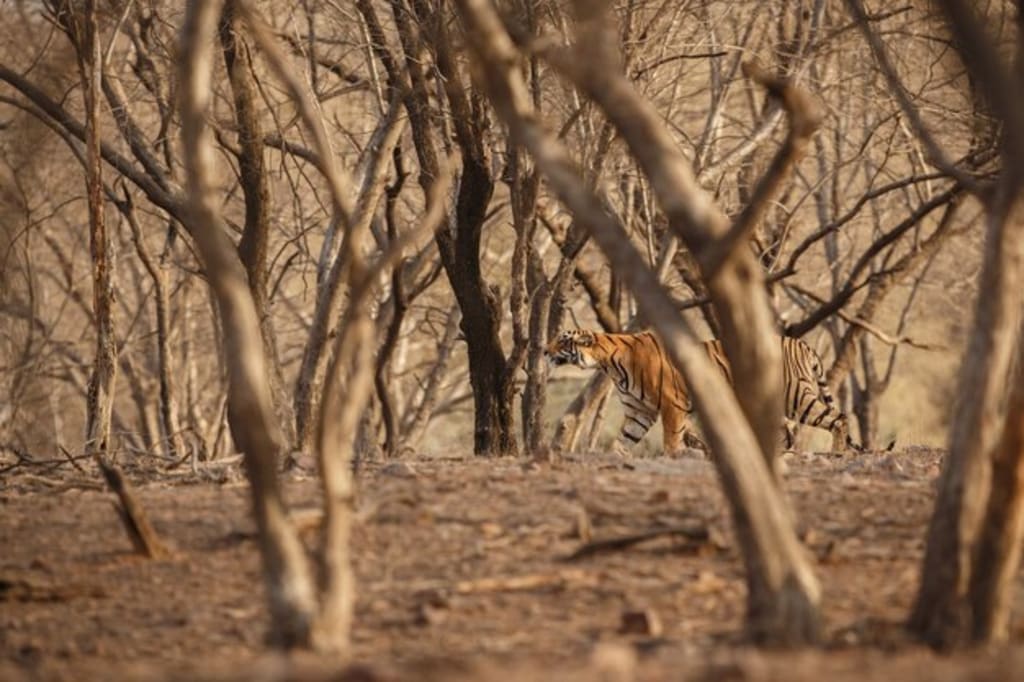
Wildlife photography has always been a thrilling pursuit, allowing photographers to connect deeply with nature and its untamed inhabitants. While traditional methods involve long hours of patience, stealth, and the perfect lens, one unique method is redefining the field: *camera trapping*. This innovative technique blends technology and artistry, enabling photographers to capture elusive moments of wildlife without physically being present.
What is Camera Trapping?
Camera trapping involves the use of remotely activated cameras equipped with motion or heat sensors. These cameras are strategically placed in areas frequented by animals. Once the sensors detect movement or body heat, the camera triggers, capturing high-resolution images or videos of animals in their natural habitats.
This method is particularly effective for photographing shy, nocturnal, or rare species that are otherwise challenging to document. From snow leopards in the Himalayan peaks to jaguars prowling the Amazon rainforests, camera traps have unveiled the lives of some of the planet's most enigmatic creatures.
### The Science Behind the Magic
Camera traps are equipped with infrared sensors that detect changes in heat and motion. These sensors ensure that the cameras remain inactive until an animal enters the frame. Many modern setups also include:
- **Flash Systems**: Infrared or low-glow LEDs ensure animals are not disturbed during nighttime photography.
- **Weatherproof Casings**: Designed to withstand harsh climates, from torrential rains to scorching heat.
- **High-Resolution Lenses**: Capture fine details, even in low light conditions.
- **Time-Lapse and Video Features**: Documenting prolonged animal behavior over time.
### The Art of Placement
The success of camera trapping hinges on understanding animal behavior and habitats. Wildlife photographers often collaborate with ecologists and trackers to identify optimal locations. Common placement strategies include:
1. **Animal Trails and Pathways**: Frequently used routes are prime locations for setting traps.
2. **Watering Holes**: Essential for most species, making them hotspots of activity.
3. **Feeding Grounds**: Areas rich in vegetation or prey attract a diverse range of animals.
4. **Territorial Markers**: Tree scratches, dung heaps, or scent-marked zones offer insight into animal movement.
### Unique Advantages of Camera Trapping
1. **Minimal Disturbance**: The absence of human presence reduces stress on wildlife, promoting natural behavior.
2. **Access to Rare Species**: Elusive creatures, like pangolins or clouded leopards, are often captured via traps.
3. **Time Efficiency**: Camera traps can be left unattended for weeks, continuously monitoring the area.
4. **Scientific Contribution**: The data collected aids conservation efforts, helping researchers study migration patterns, population sizes, and behavioral traits.
### Challenges and Ethical Considerations
Despite its advantages, camera trapping is not without challenges. Poor placement, battery failures, or harsh environmental conditions can hinder results. Ethical considerations also play a vital role:
- Ensuring animals are not harmed or startled by the setup.
- Avoiding the use of bait to manipulate animal behavior unnaturally.
- Respecting local laws and community sentiments regarding land use.
### Iconic Success Stories
- **Snow Leopards in Ladakh**: Camera traps have been instrumental in studying snow leopards, often referred to as "ghosts of the mountains," revealing their hunting and parenting behaviors.
- **Bengal Tigers in Sundarbans**: The dense mangroves of Sundarbans make tiger sightings rare, but camera traps have successfully documented their secretive movements.
- **Amazonian Jaguars**: Researchers have used camera traps to monitor jaguar populations, providing crucial data for conservation efforts.
### The Future of Camera Trapping
As technology advances, camera trapping is set to become even more sophisticated. AI-powered cameras can now identify species automatically, while solar-powered systems ensure longer deployment periods. These advancements, combined with the decreasing cost of equipment, are making this unique method accessible to both professionals and enthusiasts.
### Conclusion
Camera trapping exemplifies the perfect harmony between technology and nature. It offers an unparalleled window into the wild, revealing moments that were once thought to be beyond human reach. As this method continues to evolve, it promises to deepen our understanding and appreciation of the natural world, inspiring efforts to protect it for generations to come.
---
By exploring camera trapping, wildlife photographers and enthusiasts alike can uncover the secrets of the wild in ways that are as innovative as they are impactful. Ready to set your trap and capture nature's unguarded moments?
Keep reading
More stories from Pritam and writers in Photography and other communities.
Why Printed Photographs Still Matter: The Art and Value of Preserving Memories in Print
In a world where most photographs live on phones, laptops, and cloud storage, it is easy to assume that printing pictures is a thing of the past. Yet something meaningful gets lost when memories stay locked inside a device. A photograph printed on high quality paper carries a weight and warmth that no screen can fully replicate. It can be held, shared, framed, and passed down through generations.
By The Iconabout 10 hours ago in Photography




Comments
There are no comments for this story
Be the first to respond and start the conversation.