
Types of 3D Lifestyle Scenes Product Photography
Exploring the Different Types of 3D Lifestyle Product Photography

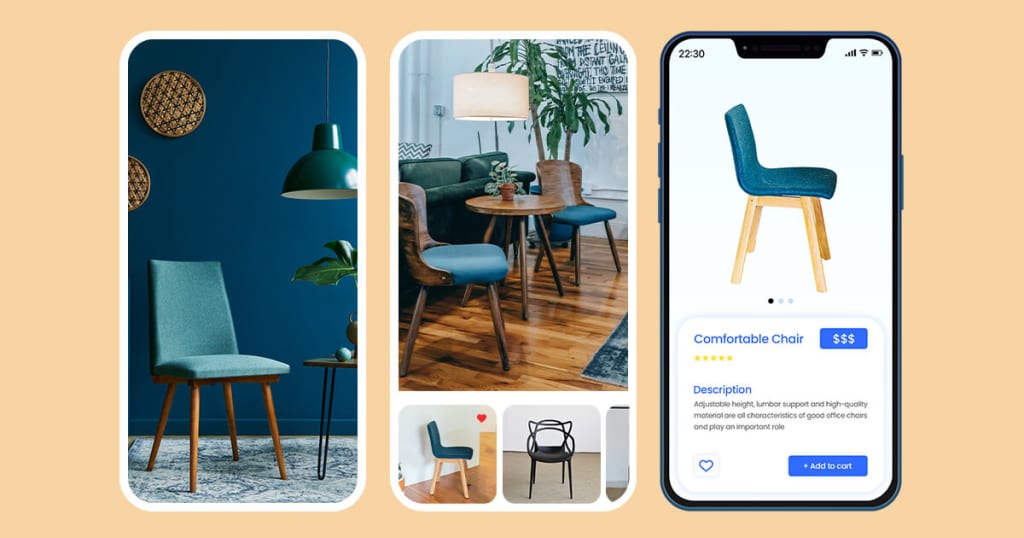
3D lifestyle product photography plays a crucial role in showcasing products in realistic, relatable settings. It primarily falls into three main categories: studio setups, outdoor environments, and home interiors. Some visuals create a cozy home atmosphere, while others capture a dynamic office space or a breathtaking outdoor setting. Selecting the right type of scene is essential to highlight a product’s best features and establish a strong emotional connection with potential customers.
Great product visuals grab attention, evoke emotions, and ultimately influence purchasing decisions. Let’s explore the different types of 3D lifestyle product photography and how they enhance product appeal.
Types of 3D Lifestyle Product Photography
Studio-Based Product Photography
Studio photography involves capturing products in a controlled environment with professional lighting, a clean backdrop, and carefully arranged props. This method ensures a polished, distraction-free presentation that highlights the product’s design, texture, and details.
Why Studio Photography Works
- Controlled Lighting: Eliminates unwanted shadows, glare, and reflections for a consistent look.
- Flexible Backdrops: Enables easy customization to match different moods and product types.
- Precision and Consistency: Ensures uniformity across multiple product shots, making it ideal for e-commerce.
- Professional Appeal: Enhances the credibility and trustworthiness of the product.
Studio-based photography is an excellent choice for businesses looking to showcase their products with a high level of detail and clarity.
Outdoor Lifestyle Photography
Outdoor photography places products in natural environments, using real-world backdrops and natural lighting to create an authentic feel. This method is perfect for products designed for outdoor use, such as furniture, sports equipment, and travel gear.
Benefits of Outdoor Photography
- Creates a Real-World Connection: Customers can visualize the product in their own environment.
- Enhances Mood and Atmosphere: Natural lighting and scenic settings evoke emotions that make products more appealing.
- Authenticity: Feels less staged compared to studio photography, offering a genuine look and feel.
- Diverse Backgrounds: From lush gardens to urban landscapes, nature provides endless options for compelling visuals.
For instance, showcasing a wooden bench in a blooming garden helps potential buyers imagine it as part of their outdoor space, making the purchase decision easier.
Home or Interior Scenes
Home-based photography integrates products into real-life home settings, demonstrating how they fit within living spaces. This approach makes products feel more relatable and practical.
Examples of Interior Product Photography
- Living Rooms: A sofa or coffee table styled in a cozy setting helps buyers assess its size and compatibility.
- Kitchens: A blender or kettle on a counter shows how it fits into daily routines.
- Bedrooms: Bed linens, lamps, or wardrobes displayed in a homey setting enhance their appeal.
Why Interior Photography Works
- Familiar Context: Helps customers visualize how products integrate into their lives.
- Practical Demonstration: Provides insights into size, functionality, and aesthetics.
- Emotional Connection: A well-styled interior scene creates a sense of comfort and aspiration.
Using home settings makes products feel like a natural part of everyday life, increasing customer engagement and interest.
Action or Activity Shots
Action shots showcase products in use, demonstrating their real-world functionality. This type of photography is essential for sports gear, electronics, and wearable products.
Why Action Shots Matter
- Increases Credibility: Watching a product in action reinforces trust in its performance.
- Highlights Functionality: Shows ease of use and practicality.
- Essential for Sports Equipment: Performance visuals, such as a basketball bouncing or a tennis racket in play, provide assurance of quality.
By capturing real-time product interactions, action shots make products more engaging and convincing for potential buyers.
Seasonal or Holiday-Themed Photography
Seasonal photography aligns products with specific holidays, events, or seasonal themes, enhancing their relevance and appeal during certain times of the year.
Examples of Seasonal Product Photography
- Clothing: Sweaters displayed against autumn leaves or swimsuits showcased on a beach.
- Home Décor: Festive lamps styled with Halloween decorations or tableware set for a Thanksgiving feast.
- Gift Items: Jewelry or gadgets presented with Christmas ornaments to highlight their gifting potential.
- Food & Beverages: Pumpkin spice lattes in fall or refreshing iced drinks in summer.
Seasonal product photography boosts sales by making products feel timely, festive, and in demand.
Virtual or 3D Rendered Environments
With advancements in 3D rendering technology, brands can create photorealistic digital environments that showcase products in unique and customized settings.
Advantages of 3D Rendered Environments
- Unlimited Creativity: Any environment can be designed, from luxurious interiors to futuristic landscapes.
- Perfect Conditions: Eliminates concerns about weather, lighting, or real-world constraints.
- Cost-Effective: Reduces the need for expensive physical setups.
- Enhanced Interactivity: 3D renders allow customers to rotate products and view them from different angles.
- Technological Advancements: Integration with Virtual Reality (VR) and Augmented Reality (AR) creates immersive shopping experiences.
3D-rendered environments offer endless possibilities, making them a game-changer in product visualization.
Conclusion
Choosing the right type of 3D lifestyle product photography can make all the difference in how customers perceive and connect with a product. Each approach serves a unique purpose—whether it's the polished look of a studio setup, the authenticity of an outdoor scene, or the creative possibilities of 3D rendering. By understanding these styles, businesses can craft compelling visuals that resonate with their target audience and drive conversions.
About the Creator
Keep reading
More stories from writers in Photography and other communities.
My Year, in Prattling and Photos
It's been a year since... last year. Ironically, it seems I've found myself a new tradition of getting sick during the New Year holidays. At least, this year (that is, this inter-year period remarkable for its shiny decorations in the streets and houses, and closed supermarkets and pretty much everything), I'm doubtlessly doing better: I've managed to come visit my friends in Germany for Christmas (which I failed to do last year) and—after having some good quality time eating machanka, playing Munchkin and swinging machetes (the last one obviously crept into this checklist only for the sake of the phonological form)—I came back home via proverbial Deutche Bahn and probably less known Schweizerische Bundesbahnen, my body hosting a family of viruses, virions and who knows what other tiny critters somewhere inside my chest.
By Andrei Z.19 days ago in Photography
How to Make Any Photo Square Online Without Losing Important Content
From Instagram posts and profile pictures to thumbnails and avatars, many platforms now require images to be in a 1:1 square ratio. While cropping is often the default solution, it’s rarely the best one—especially when image content matters.
By sam lee4 days ago in Photography
Ludacris and Nelly draw backlash over bookings at MAGA-coded music festival
Ludacris and Nelly headlining a mostly right-wing event is good for them. It’s also great for the genre of hip hop. The two rap veterans have showcased their talents on other stages. Why can’t they perform for mostly MAGA folks and grab that bag?
By Skyler Saunders5 days ago in Beat



Comments
There are no comments for this story
Be the first to respond and start the conversation.