
The Role of Photo Retouching in Modern Photography: Perfecting Every Pixel
Have you ever wondered why some photos look breathtakingly perfect? Chances are, photo retouching plays a crucial role.

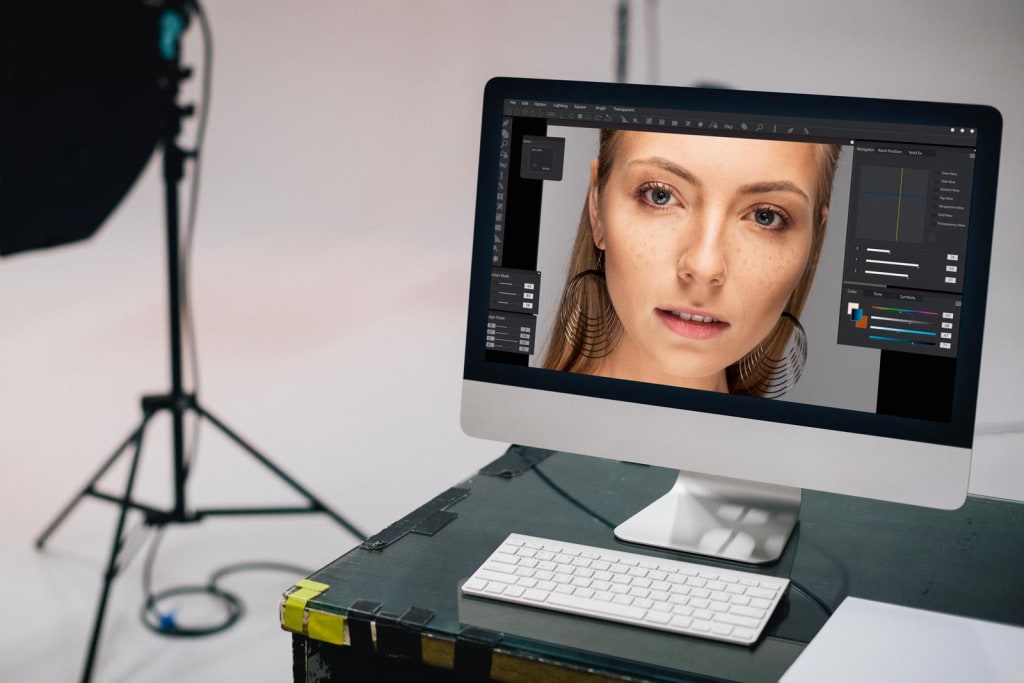
Whether scrolling through Instagram or a magazine, the images you see are often polished to perfection. Photo retouching has become an essential part of modern photography, enhancing images' natural beauty and correcting imperfections. But why does it matter to you?
If you're a photographer aiming to showcase your work or simply someone who loves capturing moments, understanding photo retouching can elevate your images to a new level. Imagine transforming a good photo into a great one with just a few tweaks. Intrigued? Keep reading to discover how photo retouching can make a difference in your photography and why mastering it might be your next best move.
Credit: proedu.com
Evolution Of Photo Retouching
Photo retouching has transformed the world of photography. It shapes how we perceive images, from simple edits to complex digital artistry. Understanding its evolution helps us appreciate its impact.
Early Techniques
Photo retouching began with manual methods. Artists used brushes and paints to alter images, remove blemishes, and enhance colors. This process was slow and required skill. Photographers relied on darkroom techniques, using chemicals to adjust exposure and contrast. Each photo required careful attention.
Digital Transformation
Digital tools changed retouching forever. Software like Photoshop emerged. Editing became faster and more precise. Photographers could now manipulate images with ease. Colors could be adjusted with a click. Retouching expanded to include effects and filters, opening up new creative possibilities.
Advanced algorithms enhance photo quality, removing noise and correcting lens distortion. Mobile apps have made retouching accessible, so even amateurs can refine their photos. Digital transformation continues to evolve, influencing both professional and personal photography.
Tools And Software
Photo retouching shapes the look and feel of modern photography. It enhances images by adjusting colors, removing blemishes, and refining details. This tool is essential for creating visually appealing photos in today's digital age.
In today's digital age, photo retouching tools and software have become indispensable for photographers. They offer a range of features that enhance, tweak, and transform images into stunning visual stories. Understanding the right tools can elevate your photography game, whether you're a seasoned professional or an enthusiastic hobbyist.
Popular Retouching Software
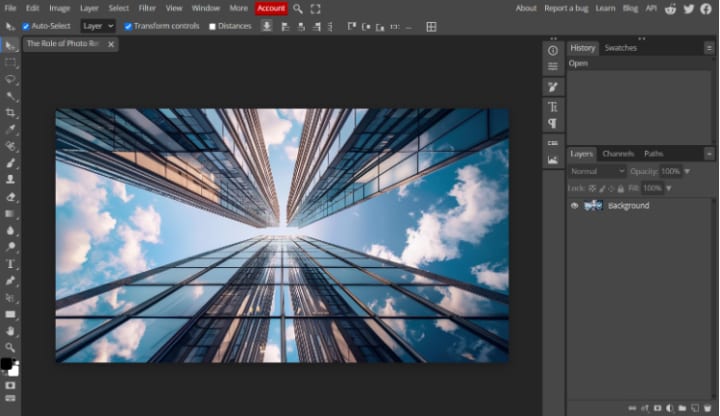
When choosing retouching software, your choice can significantly impact your workflow and results. Adobe Photoshop is often the go-to for many photographers due to its robust features and versatility. It allows for intricate edits, from basic touch-ups to complex manipulations. Lightroom is another favorite, particularly for managing extensive photo collections. Its user-friendly interface and powerful editing tools make it ideal for quick adjustments. Have you ever tried Photopea? It's a free alternative offering many of the same features as Photoshop, making it perfect for those on a budget.
Advanced Technologies
Technology is changing how we edit photos, introducing unimaginable tools a few years ago. Artificial Intelligence (AI) is now at the forefront, enabling automatic retouching with impressive accuracy. Tools like Luminar AI use intelligent algorithms to enhance images with just a few clicks. Consider the power of neural filters in Photoshop. They can dramatically alter expressions or even age subjects while maintaining natural-looking results. Is it time to explore these cutting-edge technologies and see how they can streamline your editing process? Retouching is more than just correcting flaws. It’s about bringing out the best in your images. With the right tools and creativity, you can transform your photography and captivate your audience. Are you ready to take your skills to the next level?
Impact On Photography
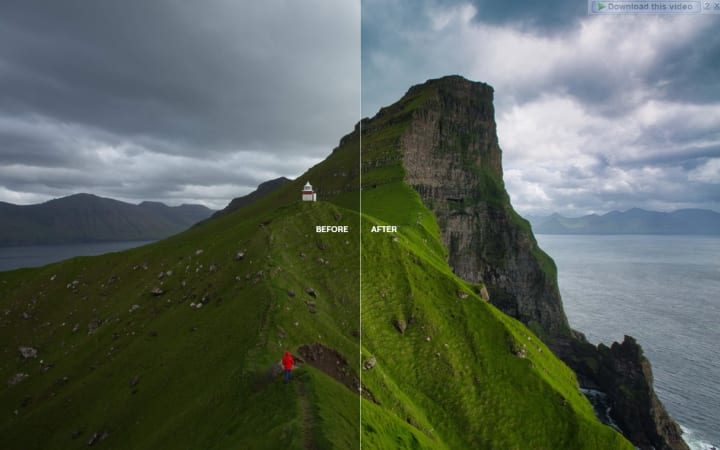
Photo retouching enhances modern photography by refining images and removing imperfections. It enables photographers to present polished visuals that capture attention and evoke emotions. This tool transforms ordinary shots into captivating works of art, making it essential in today's creative process.
Photography has evolved dramatically with technological advancements. One significant transformation is the role of photo retouching. This process has changed how we perceive images, influencing professional and amateur photography. Retouching is more than fixing flaws; it profoundly impacts the art form.
Enhancing Visual Appeal
Retouching allows photographers to enhance the visual appeal of their images. It’s not just about removing blemishes or correcting colors. You can adjust lighting and add depth to create striking visuals. Imagine capturing a sunset. With retouching, you can intensify the colors to make them more breathtaking. Think about your favorite magazine cover. The images are not just well-shot but carefully retouched to captivate you. Retouching turns ordinary photos into extraordinary pieces of art. It brings out the best in every shot, ensuring the final image is as stunning as possible.
Changing Perceptions
Photo retouching also changes how we perceive reality. It raises the question: What is real in photography? When you see a flawlessly edited photo, it can reshape your understanding of beauty standards. This can affect how you view yourself and others. Consider how retouching impacts advertising. Products and models are often portrayed in an idealised manner. You might wonder if what you see is achievable. This perception shift can influence buying decisions, as retouched images usually drive consumer expectations. Retouching is a powerful tool in the hands of photographers. It shapes not only the aesthetics of an image but also our perceptions. How do you feel about the images around you? Are they enhancing your view or altering your reality?
Ethical Considerations
Photo retouching shapes modern photography by improving images, but raises ethical questions about authenticity. Balancing enhancement with honesty ensures trust and preserves the photograph's original intent. Transparent practices and acknowledging edits help maintain credibility in the art.
Photo retouching has become an integral part of modern photography, bringing a host of ethical considerations. As technology advances, the line between authenticity and manipulation becomes increasingly blurred. Photographers, editors, and viewers must consider the impact of these alterations on the perception of reality. What responsibilities do you bear when editing a photograph? Are there industry standards to guide you through these ethical dilemmas?
Authenticity Vs. Manipulation
In photography, authenticity once meant capturing a moment exactly as it was. Now, with the click of a button, you can alter almost any aspect of a photo. Is it still the exact moment? Consider a personal experience: I edited a landscape photo to enhance the sky's color. It looked stunning, yet I felt a pang of guilt. Was I presenting an altered truth? This raises an important question: where do you draw the line between enhancing and deceiving?
Industry Standards
Industry standards are evolving to address these ethical concerns. Organizations like the National Press Photographers Association (NPPA) have guidelines for maintaining integrity in photojournalism. They emphasize truthfulness and accuracy, urging photographers to avoid misleadingly altering the content. In fashion and advertising, the standards can differ. Here, retouching is often more accepted, but it's crucial to maintain transparency about what's been altered. Understanding these standards can help you make informed decisions as a content creator. Are you adhering to the ethical norms of your field? You hold the power to influence perceptions with every edit. Choose wisely, and consider the broader impact of your work on society. Engage with this ethical dialogue. Where do you stand on the spectrum of authenticity vs. manipulation?
Professional Vs. Amateur Retouching
Photo retouching transforms images in modern photography. It enhances beauty, corrects flaws, and creates stunning visuals. Professionals and amateurs approach retouching differently. Each has its unique strengths and challenges. Understanding these differences helps in appreciating the craft of retouching.
Skills And Techniques
Professionals use advanced skills in retouching. They have a deep understanding of lighting, color, and composition. Their techniques bring out the best in every photo. Years of experience often refine their skills.
Amateurs rely on basic tools and methods. They may lack advanced knowledge, and their retouching might be less polished. Yet, some amateurs show natural talent. They create impressive work through practice.
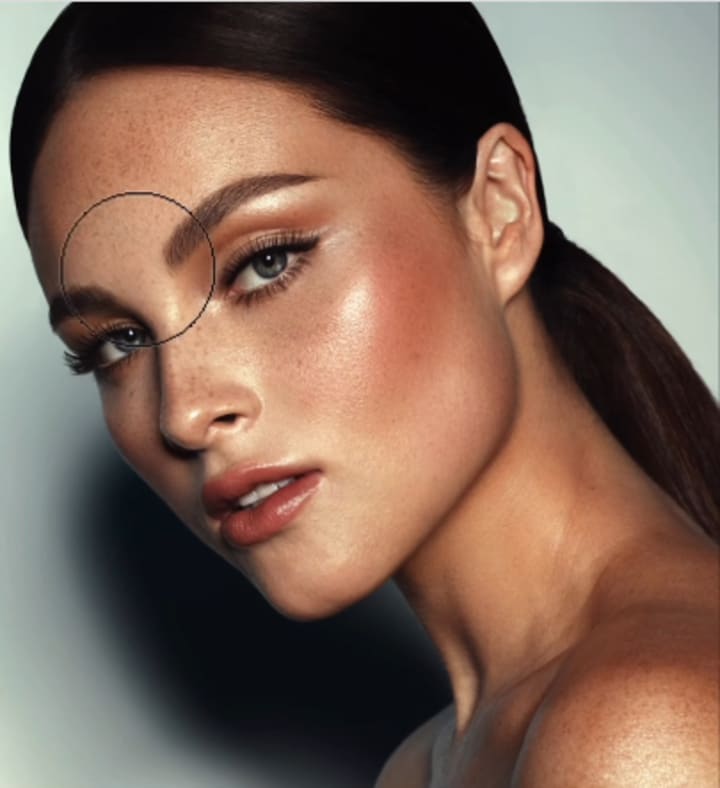
Watch this IG Reel here.
Accessibility Of Tools
Professionals have access to high-end software. These tools offer extensive features for detailed editing. They enable precise adjustments and creative effects.
Amateurs use more accessible tools. Many free or affordable options exist online, allowing basic editing and enhancements. Accessibility empowers more people to try retouching.
Both professionals and amateurs contribute to the art of photography. Their retouching brings unique perspectives to each image.
Future Of Photo Retouching
The future of photo retouching looks promising and dynamic. Technology evolves rapidly, shaping how photographers enhance their images. With new tools and techniques, photo retouching is becoming more efficient. This evolution will likely continue, bringing exciting changes to the industry.
Emerging Trends
Artificial intelligence is one of the most exciting trends. AI tools help automate tedious tasks, saving time. They offer smart suggestions for edits, enhancing creativity. Another trend is the rise of mobile editing apps. These apps make retouching accessible to everyone. Photographers can edit on-the-go, improving workflow efficiency.
Cloud-based software is also gaining popularity. It allows easy collaboration among photographers. Sharing and editing images in real-time becomes seamless. These trends show a shift towards more flexible and efficient workflows.
Potential Innovations
3D editing might become more common in the future. This could provide more control over image depth and perspective. Virtual reality is another area of potential growth. It offers immersive editing experiences, opening new creative possibilities. Machine learning could refine retouching techniques further. It learns from user preferences, making personalized edits easier.
Augmented reality could also play a role. It may allow users to preview edits in real-world settings. These innovations suggest a future where retouching becomes even more intuitive and creative.
Frequently Asked Questions
Why Is Photo Retouching Important?
Photo retouching enhances image quality, ensuring a professional look. It corrects imperfections, highlights details, and improves visual appeal. High-quality images attract more viewers, boosting engagement and credibility. Effective retouching can make products or portraits stand out, enhancing marketing efforts and increasing sales potential.
What Is The Role Of Photography In Modern Society?
Photography shapes modern society by capturing memories, expressing emotions, and driving social change. It enhances communication, influences marketing, and documents history. Visual storytelling through photography fosters cultural understanding and connects people globally.
What Is The Function Of Photo Retouch?
Photo retouching enhances image quality by adjusting colors, removing blemishes, and refining details. It creates visually appealing photos for personal or professional use, ensuring a polished final product. Retouching helps in improving clarity, focus, and overall aesthetics, making images suitable for various digital and print purposes.
What Does Retouching Mean In Photography?
Retouching in photography involves enhancing images by adjusting colors, removing imperfections, and improving overall quality using software. It makes photos more visually appealing by refining details and correcting flaws. This process is crucial for achieving professional and polished results, especially in portrait and commercial photography.
Conclusion
Photo retouching plays a crucial role in modern photography. It enhances images, making them more appealing. This process helps photographers bring their visions to life. Retouching can correct imperfections and highlight important details. It ensures photos meet professional standards and client expectations.
Despite debates on authenticity, retouching remains essential. Photographers need to balance natural beauty with polished perfection. Understanding this art form can improve photography skills. As technology evolves, retouching techniques will continue to advance. Embracing these tools helps photographers create stunning visuals.
Ultimately, photo retouching transforms ordinary images into extraordinary ones, capturing attention and telling compelling stories.
About the Creator
Biju
I am a graphic designer with 10+ years of experience, specializing in creating clean and captivating product photos for e-commerce websites.
Keep reading
More stories from Biju and writers in Photography and other communities.
Choose the Best Backgrounds for Headshots
Choosing the right background for headshots can make all the difference in creating a memorable and professional image. When I'm selecting a background, I consider whether it complements the subject and enhances their features without causing distraction. A light gray or white background is often the best choice because it keeps the photo clean and puts the focus entirely on the person.
By Bijuabout a year ago in Photography
My Year, in Prattling and Photos
It's been a year since... last year. Ironically, it seems I've found myself a new tradition of getting sick during the New Year holidays. At least, this year (that is, this inter-year period remarkable for its shiny decorations in the streets and houses, and closed supermarkets and pretty much everything), I'm doubtlessly doing better: I've managed to come visit my friends in Germany for Christmas (which I failed to do last year) and—after having some good quality time eating machanka, playing Munchkin and swinging machetes (the last one obviously crept into this checklist only for the sake of the phonological form)—I came back home via proverbial Deutche Bahn and probably less known Schweizerische Bundesbahnen, my body hosting a family of viruses, virions and who knows what other tiny critters somewhere inside my chest.
By Andrei Z.19 days ago in Photography
A Lifetime of Shakas
For more than three decades as a part-time freelance news and sports photographer in Hawaiʻi, I’ve captured countless moments across the islands — and a few on the mainland. Along the way, almost without realizing it, I built an ever-growing photo archive of people flashing the shaka sign.
By Tim Wrightabout 10 hours ago in Photography



Comments
There are no comments for this story
Be the first to respond and start the conversation.