
The Art of Capturing Moments: A Guide to the Best Photography Practices
Master the craft of photography with tips, techniques, and inspiration to take your images to the next level.
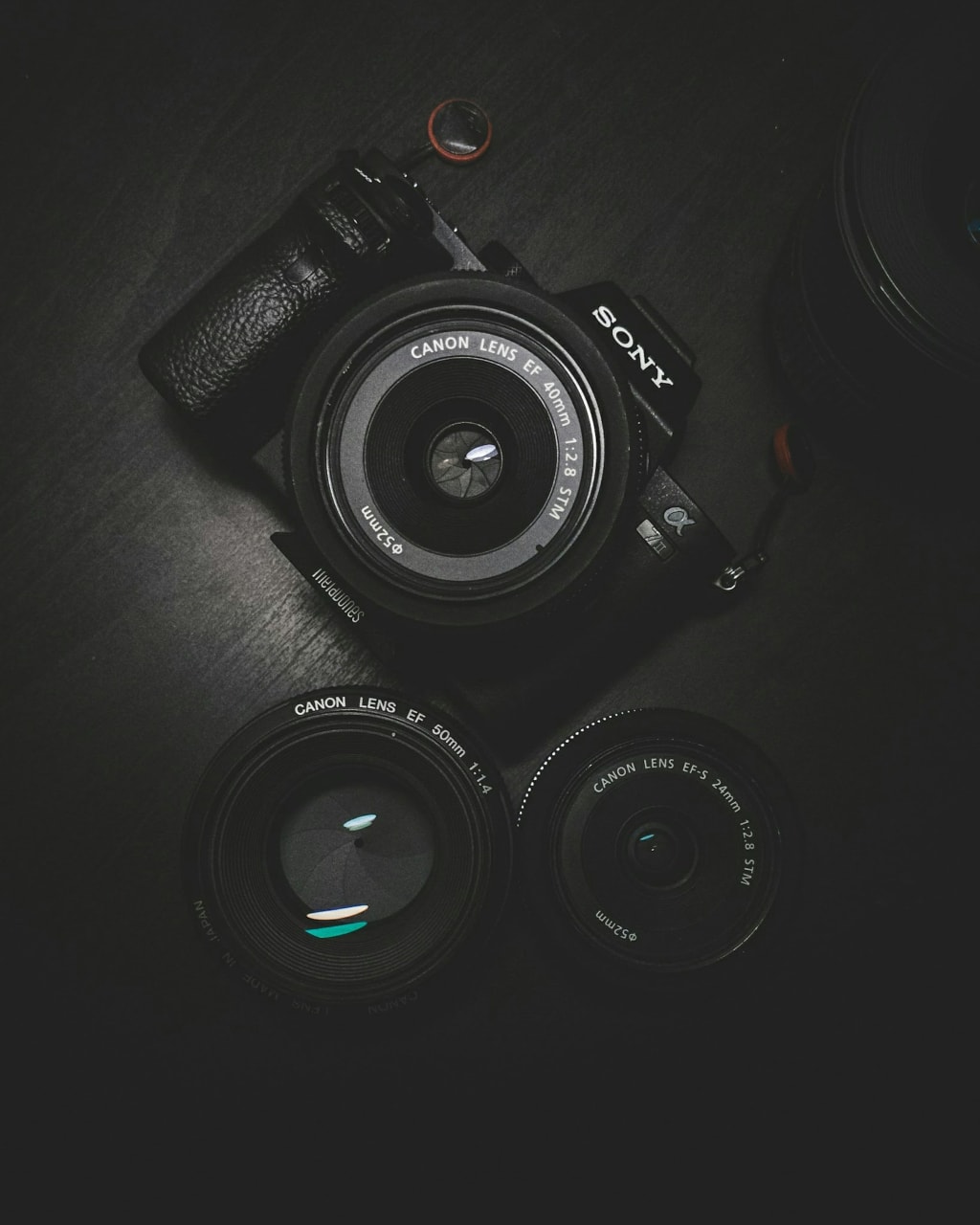
Photography is more than just clicking a button. It’s a form of storytelling, a way to preserve memories, and an artistic expression that transcends language. Whether you're an amateur with a smartphone or a budding professional with a DSLR, mastering the art of photography takes more than gear—it takes vision, patience, and continuous learning.
In this article, we’ll explore the key elements that make up the best photography practices, including composition, lighting, subject matter, and post-processing. We'll also cover practical tips to help you improve your skills and find your unique photographic voice.
1. Understand the Basics of Composition
Great photography begins with strong composition. It’s how you frame your subject and guide the viewer’s eye through the image. Some timeless composition techniques include:
Rule of Thirds: Imagine your frame divided into a 3x3 grid. Placing your subject along the lines or at the intersections often creates a more dynamic photo.
Leading Lines: Use roads, bridges, shadows, or rivers to guide the viewer’s eye toward the subject.
Symmetry and Patterns: Humans naturally love balance. Symmetry, repetition, and patterns can create visually striking photos.
Framing: Use windows, arches, or foliage to frame your subject and add depth.
Negative Space: Allowing empty space around your subject can evoke emotions and draw attention where it's needed.
The best photographers know the rules—but they also know when to break them for creative effect.
2. Master the Light
Lighting is one of the most important elements in photography. A well-lit image can convey mood, texture, and dimension.
Golden Hour: This is the hour after sunrise and before sunset, when the light is soft, warm, and flattering.
Blue Hour: The time just before sunrise and after sunset. It offers cooler tones and a serene atmosphere.
Natural vs. Artificial Light: While natural light is often preferred for its beauty, learning to use artificial light (flashes, LED panels, studio lights) gives you full control over your environment.
Shadows and Highlights: Use light directionally to emphasize shapes and add drama. Side lighting, for instance, brings out textures, while backlighting creates silhouettes.
The best photography often comes from simply watching the light and learning how to use it creatively.
3. Know Your Gear (But Don’t Get Obsessed)
You don’t need the most expensive camera to take amazing photos. The best camera is the one you have with you—whether it’s a DSLR, mirrorless, or a smartphone.
That said, understanding how your camera works helps you move from “lucky shots” to intentional photography. Learn how to use:
Aperture (f-stop): Controls depth of field. A wide aperture (e.g., f/1.8) blurs the background; a narrow one (e.g., f/16) keeps more in focus.
Shutter Speed: A fast speed (1/1000) freezes motion; a slow one (1/10) can create motion blur or light trails.
ISO: Controls sensitivity to light. Use low ISO in bright light for clean images; use higher ISO in dark settings, but beware of grain.
Don’t be afraid to shoot in manual mode. It gives you full control and a deeper understanding of photography fundamentals.
4. Connect With Your Subject
Whether you’re photographing a person, a landscape, or a street scene, connecting with your subject can elevate your photos. In portrait photography, take the time to make your subject comfortable. Genuine emotion makes for powerful images.
In wildlife photography, patience is everything. Blend into the environment and wait for the perfect moment. For street photography, be respectful. Sometimes candid shots capture the raw beauty of real life, but always be mindful of people’s privacy and culture.
Remember: A photo should tell a story. Think about what you want to say before you click.
5. Explore Different Genres
There’s no single “best” kind of photography—it’s all about what speaks to you. Try experimenting with various genres:
Landscape: Perfect for travelers and nature lovers. Focus on composition, foreground interest, and dramatic skies.
Portrait: Highlights human expressions and emotions. Lighting and connection are key.
Street: Candid, real-life scenes. Requires quick reflexes and an eye for storytelling.
Macro: Close-up photography that reveals intricate details of small subjects like insects or flowers.
Night/Astrophotography: Long exposures to capture stars, city lights, or light trails.
Product/Food: Ideal for commercial work. Requires precision, lighting, and attention to styling.
Trying different types of photography will sharpen your skills and help you discover your niche.
6. Edit Thoughtfully
Post-processing is part of modern photography. Editing can enhance your photo’s mood, correct exposure, and bring out colors.
Popular software like Adobe Lightroom, Photoshop, or free apps like Snapseed and VSCO allow you to fine-tune your shots. However, use editing to enhance—not disguise—your image. Too much contrast, saturation, or filters can ruin a great shot.
Strive for a consistent editing style that reflects your creative voice. But always remember: a strong photo starts in-camera, not in the editing room.
7. Practice, Practice, Practice
The best photographers didn’t start out great—they practiced, failed, learned, and improved. Take your camera everywhere. Shoot daily, even if it's just your morning coffee or a walk in the park.
Join photography challenges or online communities. Follow photographers you admire and analyze their work. Ask yourself: What makes this photo compelling? What techniques did they use?
Don’t be afraid to shoot in manual, try new techniques, or make mistakes. Each photo is a learning opportunity.
8. Build a Portfolio and Share Your Work
As you grow, start curating your best work into a portfolio. It doesn’t have to be perfect—but it should reflect your style and passion.
Create an Instagram page, personal website, or even a printed photo book. Sharing your work can lead to feedback, inspiration, and opportunities.
More importantly, it helps you track your progress. You’ll be surprised how much you improve when you look back over time.
Final Thoughts
Photography is both a science and an art. It teaches you to see the world differently—to notice light, detail, emotion, and beauty in everyday life. Whether you’re shooting landscapes at sunrise or capturing candid street portraits, the best photography comes from the heart.
So grab your camera, chase the light, and start telling your stories—one frame at a time.
About the Creator
Keep reading
More stories from Farhan Rafid and writers in Photography and other communities.
"From Snap to Stunning: Mastering the Art of Photo Editing Like a Pro"
The Art and Power of Picture Editing: Enhancing Images in a Visual World In today’s digital age, photography has transcended its traditional role. It’s no longer just about capturing moments — it’s about storytelling, branding, expression, and connection. Whether you're a casual Instagram user, a professional photographer, or someone managing a brand, picture editing has become an essential part of the process. But what does editing really mean? Is it just about applying filters, or is there more to the art than meets the eye?
By Farhan Rafid8 months ago in Photography
My Year, in Prattling and Photos
It's been a year since... last year. Ironically, it seems I've found myself a new tradition of getting sick during the New Year holidays. At least, this year (that is, this inter-year period remarkable for its shiny decorations in the streets and houses, and closed supermarkets and pretty much everything), I'm doubtlessly doing better: I've managed to come visit my friends in Germany for Christmas (which I failed to do last year) and—after having some good quality time eating machanka, playing Munchkin and swinging machetes (the last one obviously crept into this checklist only for the sake of the phonological form)—I came back home via proverbial Deutche Bahn and probably less known Schweizerische Bundesbahnen, my body hosting a family of viruses, virions and who knows what other tiny critters somewhere inside my chest.
By Andrei Z.19 days ago in Photography



Comments
There are no comments for this story
Be the first to respond and start the conversation.