

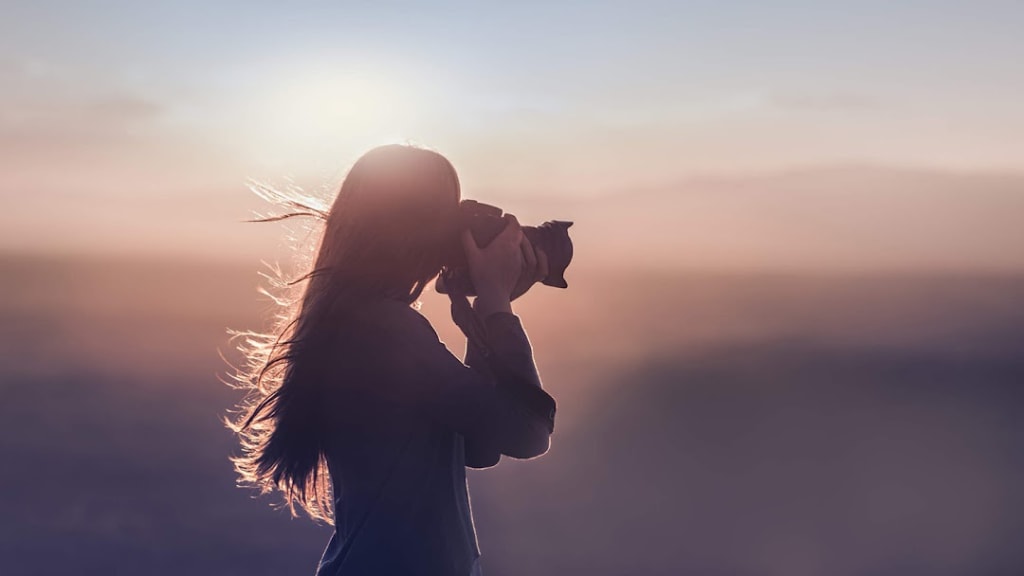
Photography is an art form that encompasses the capture and preservation of visual moments through the use of a camera. It is a powerful medium that allows us to document the world, tell stories, evoke emotions, and create lasting memories. Photography has undergone significant transformations over the years, from the early days of film cameras to the digital revolution. In this comprehensive exploration, we will delve into the various aspects of photography, its history, technical aspects, creative considerations, and its impact on society.
History of Photography:
The history of photography dates back to the early 19th century when the first permanent photographic image was captured by Joseph Nicéphore Niépce in 1826. Over the years, numerous inventors and photographers contributed to the development of photography, from Louis Daguerre's daguerreotype process to the introduction of flexible film by George Eastman, which revolutionized the medium. With the advent of digital technology in the late 20th century, photography underwent a dramatic shift, enabling instant image capture, manipulation, and sharing.
Technical Aspects of Photography:
Photography encompasses a range of technical considerations that impact the final outcome of an image. These include camera settings, such as aperture, shutter speed, ISO, and white balance. Aperture controls the depth of field, determining what elements of the scene are in focus. Shutter speed determines the length of time the camera's sensor is exposed to light, affecting the motion blur or freezing action. ISO determines the camera's sensitivity to light, with higher ISOs being more sensitive but also introducing digital noise. White balance ensures accurate color reproduction under different lighting conditions.
Additionally, lenses play a crucial role in photography, offering different focal lengths and perspectives. Wide-angle lenses capture a broader field of view, while telephoto lenses bring distant subjects closer. Prime lenses offer a fixed focal length, providing excellent image quality, while zoom lenses offer versatility by allowing variable focal lengths.
Understanding composition is another essential aspect of photography. Composition involves arranging visual elements within the frame to create a balanced and engaging image. Concepts like the rule of thirds, leading lines, symmetry, and framing can enhance the visual impact of a photograph.
Creative Considerations in Photography:
Photography is not only about technical precision but also about creative expression. It is a visual language that allows photographers to communicate their ideas, emotions, and perspectives. Creative considerations involve making choices regarding subject matter, lighting, color, texture, and composition to convey a specific mood or message.
The interplay of light and shadow is fundamental in photography. Photographers use natural or artificial light to enhance the mood of a scene, create depth, and evoke emotions. The quality, direction, and intensity of light contribute to the overall aesthetic and storytelling of the photograph.
Color also plays a vital role in photography. It can convey emotions, set the tone, and create visual impact. Photographers can manipulate color through the selection of subjects, use of lighting, and post-processing techniques. Black and white photography, on the other hand, eliminates color distractions, emphasizing shape, form, and contrast.
Texture adds depth and tactile qualities to photographs. It can evoke a sense of touch and enhance the visual interest of an image. Photographers often seek out subjects with interesting textures, such as weathered surfaces, fabrics, or natural elements, to add richness to their compositions.
Post-processing is another creative aspect of photography. Digital tools, such as Adobe Photoshop or Lightroom, allow photographers to enhance and refine their images. Adjustments can be made to exposure, contrast, color balance, and sharpness. Additionally, creative effects, like selective color, vignetting, or adding filters, can be applied to achieve a specific aesthetic or mood.
Photography and Society:
Photography has had a profound impact on society since its inception. It has played a crucial role in journalism, allowing photographers to document important events, tell stories, and raise awareness about social issues. Iconic photographs, such as Steve McCurry's "Afghan Girl" or Nick Ut's "Napalm Girl," have become powerful symbols of the human condition and have influenced public opinion.
In the realm of advertising and marketing, photography is instrumental in capturing attention, conveying brand messages, and creating desire. High-quality product images, lifestyle photography, and fashion shoots all rely on photography to communicate the value and allure of a product or service.
Furthermore, social media platforms have democratized photography, allowing individuals from all walks of life to share their visual narratives. Photographers can build communities, gain exposure, and influence others through their images. Photography has become a universal language, connecting people across cultures and borders, fostering understanding and empathy.
In conclusion, photography is a multifaceted art form that combines technical precision, creative expression, and storytelling. It has evolved significantly over time, from the early days of film to the digital age. Understanding the technical aspects, embracing creative considerations, and recognizing its societal impact can help photographers create compelling images that resonate with viewers. Whether capturing moments of beauty, documenting important events, or exploring personal perspectives, photography continues to be a powerful means of communication, leaving a lasting impression on individuals and society as a whole.
About the Creator
Keep reading
More stories from MINI SPLASH and writers in Photography and other communities.
Unlocking Your Inner Guitarist
"Unlocking Your Inner Guitarist: Beginner's Course for Adults" is a comprehensive and engaging guitar course designed specifically for adults who are eager to learn how to play the guitar. This course is tailored to meet the unique needs and learning styles of adult beginners, providing them with a solid foundation and empowering them to tap into their musical potential.
By MINI SPLASH3 years ago in Education
Leavie Scott
ORDER HERE Chicago – A Radiant Urban Masterpiece by Leavie Scott Arts & Culture Review – Feature Story In his striking new work Chicago, photographer Leavie Scott captures the soul of the Windy City with a level of vibrancy and emotional resonance that is impossible to ignore. The image immerses viewers in a dazzling skyline bathed in mesmerizing tones of purple, pink, and gold—a palette rarely seen in traditional urban photography and one that instantly distinguishes Scott’s artistic voice.
By Organic Products 5 days ago in Photography
Curious Photography Tips Every Beginner Should Try
Have you ever wondered why two people using the same camera can produce completely different photos? The answer often lies in how well the photographer understands the camera itself. For beginners, cameras can seem filled with confusing buttons, dials, and settings. But what if those settings are actually the key to better photos?
By Craig Spiesman3 days ago in Photography
The BAFTA Awards
By now, in a stunning departure from recent years, most of the world is aware of what happened at the BAFTA film awards. Social Media Headlines will tell you the bare bones: that John Davidson, a Tourette's Syndrome advocate, shouted a racial slur at two Actors of Colour, Michael B Jordan and Delroy Lindo.
By Natasja Rose4 days ago in Psyche


Comments
There are no comments for this story
Be the first to respond and start the conversation.