
The Art and Challenges of Event Photography:
Preserving Moments, Capturing Emotions, and Overcoming Obstacles.
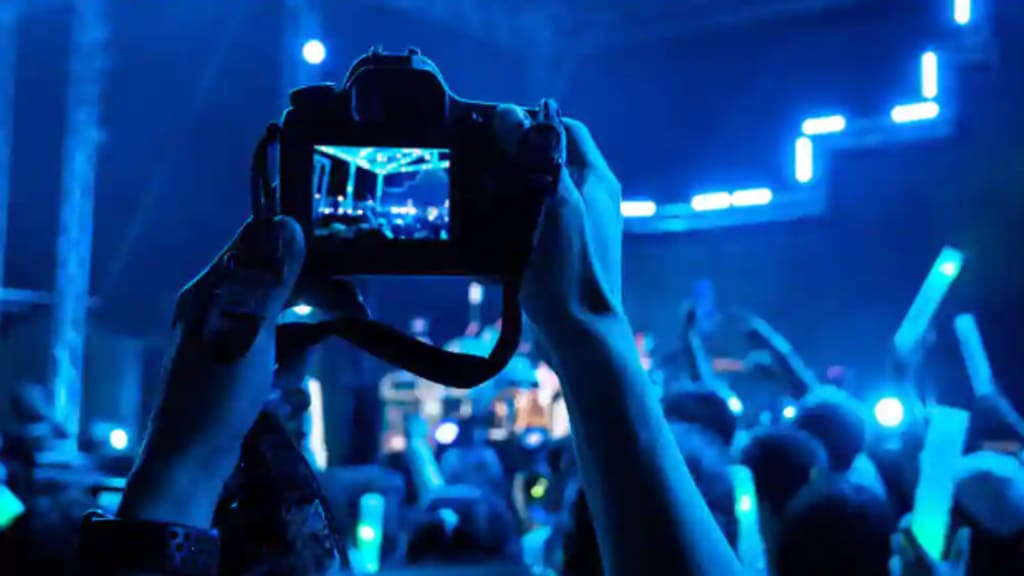
Event photography is a captivating and dynamic field that encompasses the art of capturing moments, emotions, and the essence of various occasions. From weddings and corporate gatherings to concerts and sporting events, event photographers play a crucial role in preserving memories and documenting the atmosphere of these special occasions. In this topic, we will explore the intricacies of event photography, discussing its importance, challenges, techniques, and tips for aspiring event photographers.
The importance of event photography cannot be overstated. Events are fleeting moments in time that bring people together for a specific purpose or celebration. Whether it's a wedding ceremony, a music concert, or a corporate conference, these events hold great significance for the individuals involved. Event photographers have the responsibility of immortalizing these moments, allowing people to relive the experience and emotions for years to come. Photographs capture the ambiance, interactions, and key highlights of an event, serving as tangible reminders of cherished memories.
However, event photography is not without its challenges. Events are often fast-paced, dynamic, and unpredictable. Photographers must possess excellent technical skills, the ability to adapt quickly, and an eye for detail. Lighting conditions can be variable, ranging from dimly lit venues to bright outdoor settings, requiring photographers to adjust their camera settings accordingly. Additionally, event photographers must be adept at capturing candid shots, as well as organizing and directing group photos, ensuring that everyone is in the frame and looking their best.
To excel in event photography, mastering certain techniques is crucial. First and foremost, having a thorough understanding of one's camera and its settings is essential. This knowledge allows photographers to make quick adjustments on the fly, capturing images with optimal exposure, focus, and depth of field. Composition is another vital aspect, as it determines the visual appeal and storytelling ability of a photograph. Framing subjects creatively, considering the rule of thirds, and capturing decisive moments are all techniques that enhance the overall quality of event photographs.
Furthermore, event photographers often work in challenging lighting conditions. The ability to utilize both natural and artificial light effectively can make a significant difference in the outcome of the images. Understanding how to balance ambient light, use flash or other lighting equipment, and employ post-processing techniques can elevate the overall visual impact of event photographs.
In addition to technical skills, event photographers must also possess excellent interpersonal skills. Being able to connect with clients, event organizers, and attendees is crucial for capturing authentic and meaningful moments. Building rapport, communicating effectively, and being unobtrusive are essential qualities that allow photographers to blend seamlessly into the event while capturing genuine emotions and interactions.
For aspiring event photographers, there are several tips that can help in honing their craft. Firstly, gaining experience by photographing various events, even if it's on a voluntary basis or as a second shooter, can provide valuable hands-on experience and help build a portfolio. Networking within the industry is equally important, as it can lead to referrals and opportunities to work on larger-scale events.
Investing in the right equipment is also crucial for event photographers. While having a high-quality camera body is important, having a versatile range of lenses, external flashes, and other accessories can greatly enhance the ability to capture different types of events effectively. Furthermore, backup equipment and memory cards are essential to ensure that no precious moments are missed due to technical malfunctions or storage limitations.
Post-processing skills should not be overlooked either. While capturing great shots in-camera is important, editing can further enhance the final outcome. Learning how to use software such as Adobe Lightroom or Photoshop can help photographers fine-tune exposure, adjust colors, and add artistic touches to their images, providing a polished and professional result.
In conclusion, event photography is a captivating and challenging field that requires technical expertise, artistic vision, and strong interpersonal skills. Event photographers have the unique opportunity to capture the essence and emotions of special occasions, leaving a lasting impact on their clients and the individuals involved. By mastering essential techniques, continuously improving their skills, and building a strong network, aspiring event photographers can thrive in this exciting industry and create images that will be cherished for a lifetime.
About the Creator
Keep reading
More stories from Carol Lavender and writers in Photography and other communities.
The Art and Challenges of Event Photography
Event photography is a captivating and dynamic field that encompasses the art of capturing moments, emotions, and the essence of various occasions. From weddings and corporate gatherings to concerts and sporting events, event photographers play a crucial role in preserving memories and documenting the atmosphere of these special occasions. In this topic, we will explore the intricacies of event photography, discussing its importance, challenges, techniques, and tips for aspiring event photographers.
By Carol Lavender3 years ago in Photography
Why Printed Photographs Still Matter: The Art and Value of Preserving Memories in Print
In a world where most photographs live on phones, laptops, and cloud storage, it is easy to assume that printing pictures is a thing of the past. Yet something meaningful gets lost when memories stay locked inside a device. A photograph printed on high quality paper carries a weight and warmth that no screen can fully replicate. It can be held, shared, framed, and passed down through generations.
By The Iconabout 6 hours ago in Photography




Comments
There are no comments for this story
Be the first to respond and start the conversation.