
The Amateur Photographer
To Edit or Not To Edit

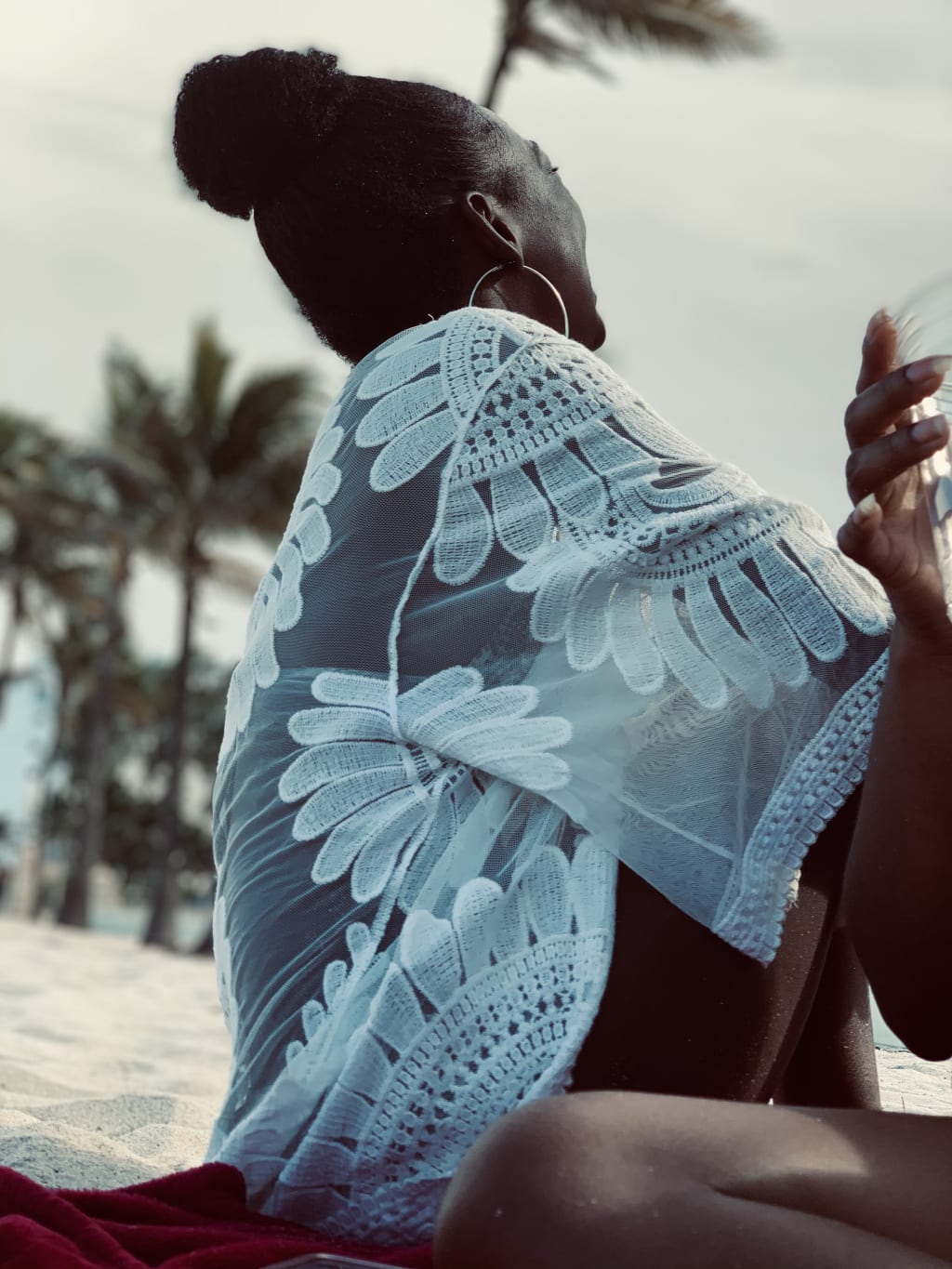
What is Photography? Photography is the art of taking something simple and mundane and turning it into something everyone wants to see. It’s seeing the extraordinary in the ordinary or seeing beauty in the regular things; that’s what makes it an art. Not everyone has a keen eye to spots photo worthy moments or spot what could be a million-dollar picture. When taking photos, you should always remember that the camera is an extension of yourself. You shouldn’t think of the lense as just an inanimate object, but more like a contact lense added to your original eye to enhance the original vision you got about the person, place or thing you want to take a picture of.
I call myself an amateur photographer, because that's the only other thing I do besides reading, writing and painting. I know this contest is about each person's individual editing process, but mine isn't as complex as most people's. So, I love event photography or live photography because it is about being able to feel the moment through the picture. Most of my pictures are taken when the person doesn't even know I'm taking it. I believe some of the best pictures happen when the person is in the moment and I don't just mean the look of the picture, but also for the memory that the picture is trying to preserve. A lot of people pose for their pictures for so long, trying their hardest to get it right that the pictures, means nothing or reminds them of nothing, but the 30 minutes it took for them to get it right. In doing this, I try to get my photos right on snap so that editing isn't a necessity (keyword being try). I don’t always get it, but the more I practice the better I get at it.
Throughout my time taking pictures, I've learned that the slightest edits to pictures can make a big difference. One example is when photos are 'off kilter' or out of alignment because you were rushing to capture it, something as simple as clipping off a piece of the picture can do wonders for the story the picture is trying to tell. Another example would be the lighting. Based on the atmosphere of where the picture is being taken dimming it or adding a form of tint can help with telling the picture’s story. Outside of event or live photography, there are what I call still shots (please don’t judge my titles for things). When taking still shots it’s good to do test shots with various angles, various colorings and different lighting just to get a gist of what is best for that skin tone, body shape or even for the purpose of the pictures. Doing these things make editing a choice rather than a must. The better the original picture is, the better the final product will be.
My process is pretty simple. I narrow down my focus in the picture, by clipping off any excess that might take away from the main focus. I then start on enhancing specific parts of the pictures, by adding or taking away brightness and adding or taking away shadows. Next, I focus on tint, I ask myself things like “do I want the colors to pop (to be bright and vibrant)”, “do I want them to be subtle” or “do I want it to have no color at all (black and white/grayscale).” After making these decisions, I make two or three different samples and compare it to the original. This last comparison step determines if I leave the picture as is or if I send out the edited version or the original.
About the Creator
Hidden Creativity
A girl who loves fiction and fantasy; loves writing and reading. Art, in all forms, is a passion of mine.
Keep reading
More stories from Hidden Creativity and writers in Photography and other communities.
The Tyler Reese Story
For Reese, things were different. He didn’t quite fit into the community that he was brought up in. His skin tone tended to throw people for a loop because he and his mother didn't necessarily look African-American, even though they were. His plan began when he was 8 years old when his mother was killed. She wanted to leave the environment they were in, but the people she “worked for” didn’t agree with this. Her leaving meant she knew all their secrets, like their operations, their specific routes, their general schedule, the members of their crew and they couldn’t have that. This gang was different from most, they focused on educating their children and then passing on the gang to the most qualified child no matter who the child belonged to. They deeply believed that every generation was different from the last and that no one should be condemned for their parents’ mistakes and short cummings. The last leader of the gang fully took over when he was 17, but he won the challenge when he was 11 and Reese was determined to be one of the two left to do this sacred challenge.
By Hidden Creativity5 years ago in Humans
Leavie Scott
ORDER HERE Chicago – A Radiant Urban Masterpiece by Leavie Scott Arts & Culture Review – Feature Story In his striking new work Chicago, photographer Leavie Scott captures the soul of the Windy City with a level of vibrancy and emotional resonance that is impossible to ignore. The image immerses viewers in a dazzling skyline bathed in mesmerizing tones of purple, pink, and gold—a palette rarely seen in traditional urban photography and one that instantly distinguishes Scott’s artistic voice.
By Organic Products 6 days ago in Photography
Curious Photography Tips Every Beginner Should Try
Have you ever wondered why two people using the same camera can produce completely different photos? The answer often lies in how well the photographer understands the camera itself. For beginners, cameras can seem filled with confusing buttons, dials, and settings. But what if those settings are actually the key to better photos?
By Craig Spiesman4 days ago in Photography
The Politics of Playing Dress-Up
Well, to start off I'd like to say a happy world book day to all who celebrate. I know I haven't really posted anything on my socials about it but I'm not a jubilant kind of person. I lay low most of the time. Let's start off with a popular anecdote from the vaults...
By Annie Kapur4 days ago in Geeks


Comments
There are no comments for this story
Be the first to respond and start the conversation.