
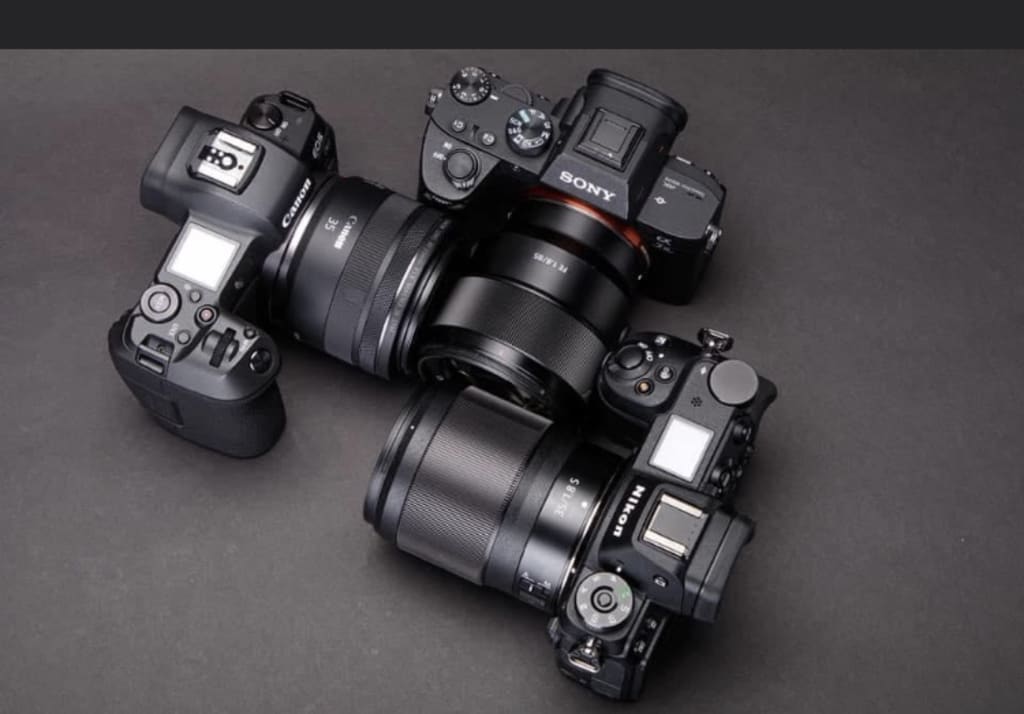
Photography is a timeless art that has fascinated people for decades. It is a medium that allows us to capture and preserve memories, tell stories, and communicate visually. In this article, we will explore the history of photography, the types of photography, and the impact of photography on society.
Photography has been around for more than 200 years. In 1826, Joseph Nicéphore Niépce took the first permanent photograph using a camera obscura and a chemical process called heliography. This photograph, known as View from the Window at Le Gras, was an eight-hour exposure of the view from his window. Since then, photography has undergone numerous technological advancements, and it has become an integral part of our lives.
There are various types of photography, each with its unique characteristics and purpose. Portrait photography, for example, is a form of photography that captures a person's likeness and personality. It can be done in a studio or on location, and it requires the photographer to work closely with the subject to create an image that conveys their personality and character.
Landscape photography, on the other hand, captures the beauty and essence of nature. It requires patience, skill, and the ability to capture the perfect lighting and composition. Landscape photographers often travel to remote locations to capture stunning vistas, and their work inspires people to connect with nature and appreciate its beauty.
Street photography is another type of photography that captures candid moments in public spaces. It requires the photographer to be quick and observant, as they need to capture the moment before it passes. Street photography can tell stories about people, cultures, and society, and it requires a keen eye for detail and composition.
The impact of photography on society has been significant. Photography has allowed us to document historical events, capture important moments, and bring awareness to social issues. It has been used as a tool for propaganda, advertising, and journalism. It has also allowed us to appreciate the beauty of the world and its inhabitants.
During the Civil Rights Movement in the United States, photography played a significant role in bringing awareness to the plight of African Americans. Photographs such as Gordon Parks' "American Gothic" and Charles Moore's "Birmingham Protest" captured the brutality and injustice of the time and helped galvanize public opinion for change.
In recent years, social media platforms such as Instagram have transformed the way we consume and share photography. Instagram has become a hub for photographers, influencers, and brands to showcase their work and connect with audiences worldwide. It has allowed photographers to gain exposure and recognition for their work and has democratized the medium by making it accessible to anyone with a smartphone.
Therefore, photography is a powerful medium that has played a significant role in our lives. From the earliest days of heliography to the modern era of social media, photography has captured the imagination and inspired us to see the world in new ways. Whether we are capturing a portrait, a landscape, or a moment in time, photography continues to captivate and inspire us. As technology continues to evolve, we can only imagine what the future holds for this timeless art form.
Moreover, photography as a hobby provides individuals with a creative outlet and a way to explore the world around them. It encourages mindfulness, as photographers observe their surroundings with a heightened sense of awareness, always on the lookout for interesting subjects and unique perspectives. It allows for self-expression and personal growth, nurturing a deeper appreciation for aesthetics and the beauty of everyday moments.
Photography also serves as a powerful means of storytelling. Photographs have the ability to convey emotions, evoke memories, and provoke thought. Documentary photographers capture moments in time that tell stories of cultures, social issues, and historical events.
About the Creator
Keep reading
More stories from Grace and writers in Photography and other communities.
Leavie Scott
ORDER HERE Chicago – A Radiant Urban Masterpiece by Leavie Scott Arts & Culture Review – Feature Story In his striking new work Chicago, photographer Leavie Scott captures the soul of the Windy City with a level of vibrancy and emotional resonance that is impossible to ignore. The image immerses viewers in a dazzling skyline bathed in mesmerizing tones of purple, pink, and gold—a palette rarely seen in traditional urban photography and one that instantly distinguishes Scott’s artistic voice.
By Organic Products 7 days ago in Photography
Curious Photography Tips Every Beginner Should Try
Have you ever wondered why two people using the same camera can produce completely different photos? The answer often lies in how well the photographer understands the camera itself. For beginners, cameras can seem filled with confusing buttons, dials, and settings. But what if those settings are actually the key to better photos?
By Craig Spiesman5 days ago in Photography
A More Human Vocal
When we launched Vocal nearly a decade ago, the world was a very different place. LLMs did not exist, and stories were created one at a time by people sitting down to write, revise, and share something personal. Many of our assumptions about publishing, trust, and participation were built for a world where effort and output were inseparable.
By Justin @ Vocal5 days ago in Resources



Comments
There are no comments for this story
Be the first to respond and start the conversation.