
PHOTOGRAPHY
Unveiling the World Through the Lens: The Art and Impact of Photography

Introduction:
Photography, as an art form and a powerful means of visual communication, has the ability to capture moments, reveal truths, and shed light on the world in profound ways. Through a combination of technical skill, artistic vision, and creative expression, photographers bring forth unique perspectives that both reflect and shape our understanding of the world around us. This article delves into the art and impact of photography, exploring its historical significance, artistic expression, technological advancements, and the transformative role it plays in society.
Historical Significance:
The invention of photography in the early 19th century revolutionized the way we perceive and record the world. From the pioneering work of Joseph Nicéphore Niépce and Louis Daguerre to the advancements made by contemporary photographers, the history of photography is marked by innovation and experimentation. Photographs have been instrumental in documenting historical events, capturing pivotal moments, and providing visual evidence of our shared human experience. They serve as a visual record of our past, allowing us to revisit and understand historical events with an immediacy that written accounts often lack.
Artistic Expression:
Photography is a powerful form of artistic expression that enables photographers to communicate their ideas, emotions, and stories. Through composition, lighting, perspective, and other creative techniques, photographers shape their vision and evoke specific moods or reactions in viewers. From stunning landscapes to intimate portraits, photography encompasses a wide range of genres and styles, providing artists with a versatile medium for self-expression. By exploring the interplay of light, color, and subject matter, photographers can evoke empathy, provoke thought, and challenge societal norms.
Technological Advancements:
Technological advancements have significantly influenced the practice of photography. From the advent of film cameras to the rise of digital imaging, the field has continuously evolved, providing photographers with new tools and opportunities for creative exploration. The digital revolution, in particular, has democratized photography, making it more accessible to a wider audience. With the ubiquity of smartphones and social media platforms, virtually anyone can capture and share their photographic work instantaneously, contributing to a global visual conversation.
Shaping Narratives and Promoting Social Change:
Photography has long been recognized for its ability to shape narratives and bring attention to pressing social issues. Photojournalism, in particular, plays a crucial role in documenting current events, exposing injustice, and advocating for change. Iconic photographs like Eddie Adams' "Saigon Execution" or Kevin Carter's "The Vulture and the Little Girl" have had a lasting impact, sparking conversations, and influencing public opinion. By shedding light on important social and political matters, photography can be a catalyst for positive societal transformation.
Preserving Cultural Heritage:
Photography serves as a vital tool for preserving cultural heritage and documenting the diversity of human experience. Through photographs, we capture and celebrate traditions, customs, and ways of life that might otherwise fade away over time. Photographers act as custodians of cultural heritage, preserving and sharing stories that contribute to our collective understanding of the world. Whether through documenting indigenous communities, architectural marvels, or vanishing landscapes, photography ensures that cultural heritage is safeguarded for future generations.
The Power of Visual Storytelling:
Photography has a unique ability to tell stories and convey complex emotions with a single image. A well-composed photograph can encapsulate a narrative, invoking a multitude of emotions and prompting viewers to reflect on their own experiences. Visual storytelling through photography transcends language barriers, cultural differences, and societal divides, connecting people on a deep emotional level. In a world inundated with information, photographs have the power to cut through the noise and capture our attention, leaving a lasting impact.
Conclusion:
Photography is a dynamic and influential medium that has the power to captivate, inspire, and transform. Whether through its historical significance, artistic expression, technological advancements, or impact on narratives and social change, photography continues to shape our world. It documents the past, reflects the present, and guides us into the future. As we explore the art and impact of photography, let us appreciate the beauty, diversity, and power it holds in unveiling the world through the lens.
About the Creator
Keep reading
More stories from Ikhuoria Precious and writers in Photography and other communities.
COVID 19
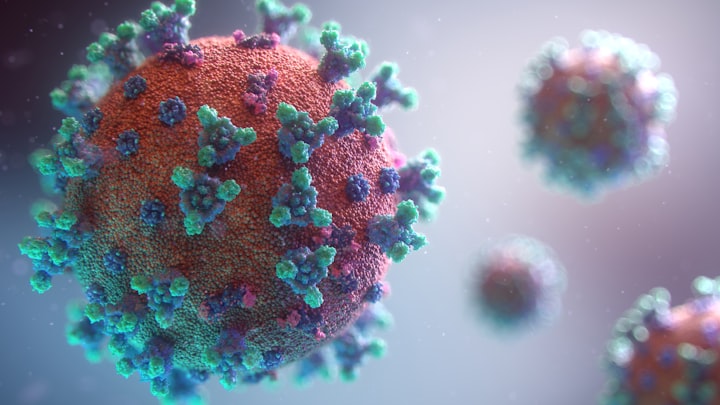
Introduction: The COVID-19 pandemic, caused by the novel coronavirus SARS-CoV-2, has had a profound impact on global health and society since its emergence in late 2019. This article aims to provide an overview of the pandemic, its transmission, the impact on public health, and the measures taken to mitigate its spread. COVID-19 has disrupted healthcare systems, strained economies, and altered social dynamics worldwide. It has highlighted the interconnectedness of nations and the importance of international collaboration in responding to infectious diseases. This article aims to provide an overview of the pandemic, including its transmission, common symptoms, global health impact, societal disruptions, economic consequences, the importance of vaccination, and the role of public health measures in mitigating the spread. By comprehending these aspects, we can better navigate this unprecedented challenge and work towards safeguarding global health and society.
By Ikhuoria Precious3 years ago in Earth
Why Printed Photographs Still Matter: The Art and Value of Preserving Memories in Print
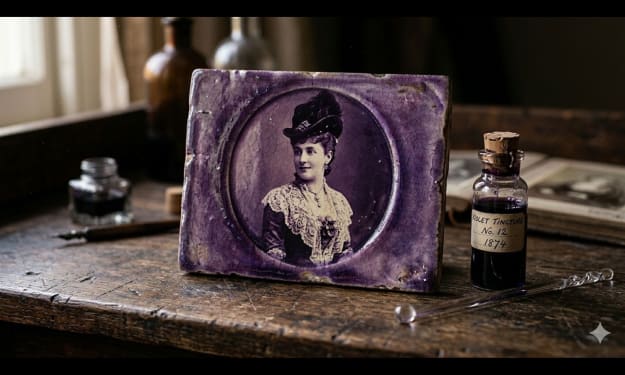
In a world where most photographs live on phones, laptops, and cloud storage, it is easy to assume that printing pictures is a thing of the past. Yet something meaningful gets lost when memories stay locked inside a device. A photograph printed on high quality paper carries a weight and warmth that no screen can fully replicate. It can be held, shared, framed, and passed down through generations.
By The Icon43 minutes ago in Photography


Comments
There are no comments for this story
Be the first to respond and start the conversation.