
How to Not Take the Perfect Photograph
How long must you edit, before the ideal image emerges from the chaff, sloughing off the imperfect versions of its former selves?
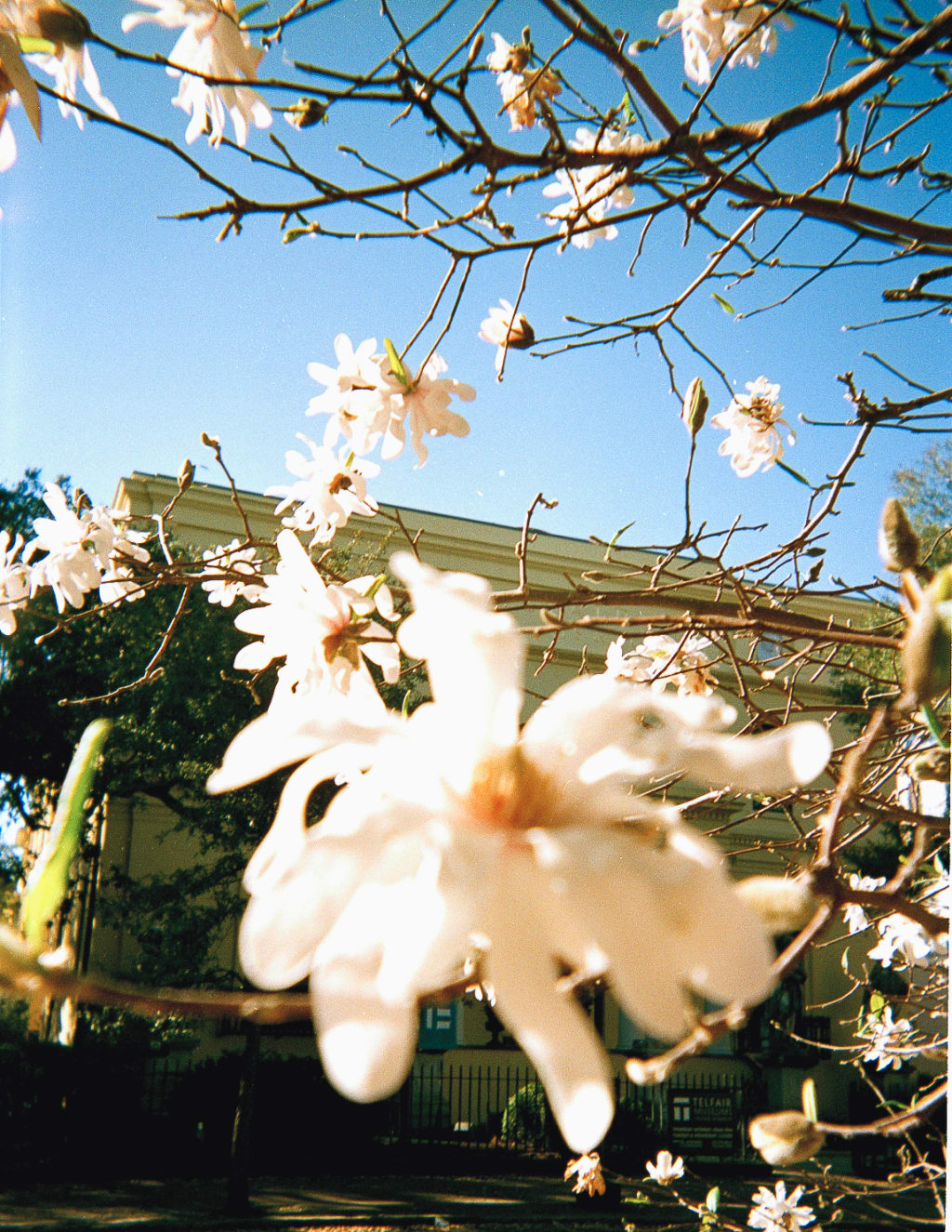
Photography is oversaturated with perfection. How much money is spent chasing pixels, poured endlessly into new and better lenses? How many hours are spent chasing that single shot, those laborious hours poured into the night, all those lights and diffusions set up for the dream of a perfect picture? The industry is bombarded with the unattainable, self-destructive ideal of perfection—cast your sight across the ceaseless hordes of online photoshop tutorials and you will find nothing but technical instruction, soulless in nature and robotic in their repetition. Where is that final layer? How long must you edit, before the ideal image emerges from the chaff, sloughing off the imperfect versions of its former selves? You could chase that fantasy into the edges of twilight and never find more than a single whisper of it.
This is not a tutorial on how to create the most aesthetic looking photograph. Instead, it will be a tutorial on something I personally deem more valuable: how to capture imperfection, and how to then embrace it.

To pursue more than perfection means to pursue the moments you really want to capture. For that is the essence of photography: to freeze a specific moment in your life. Such is the meaning that should accompany you, every time you decide to press down for that shutter.
In this digital era of chasing perfection, we tend to get blindsided by the glamourous models and landscapes that are shown on billboards or social media. Yet ask yourself: how many of those photographs do you still remember? Perfection is forgettable, precisely because it is so common. Every day we are inundated with heavily edited visuals and imagery that supposedly replicate some ideal of aesthetic perfection.
Rather than think about whether your camera has its settings set up correctly, or if the photo caught in its eye is actually in focus, think about the reason you are pressing that shutter. Why am I taking this specific photograph? Does it resonate with me personally? I want you to forget everything you think you know about photography, because in the end the technical aspect of things is what will come to leech all the authenticity from your work.
Not only must you reject perfection, you must also embrace its counterpart: imperfection. The term wabi sabi can be defined as ‘to find beauty, in every aspect of imperfection in nature.’ Instead of man-made, artificial aesthetic, it is about the aesthetic of things that already exist; the “imperfect, impermanent, and incomplete.”
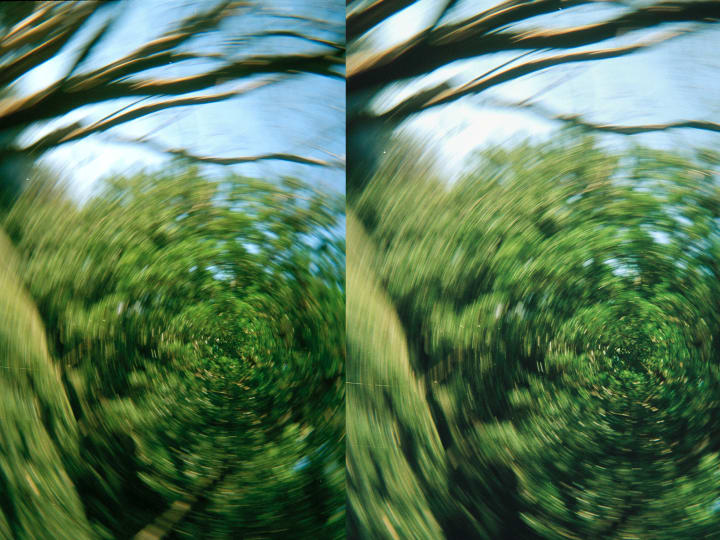
It taught me as a photographer to not nit-pick every single one of my images in the pursuit of perfection, but instead to actually shoot—to be present in the moment, as your finger presses on the shutter. For me, I tend to shoot on film. The enjoyment and caution of the developing and editing process is ecstasy—that sheer anticipation in the wait for the next developed roll of film is precisely why I’ve never been able to escape film as a format.
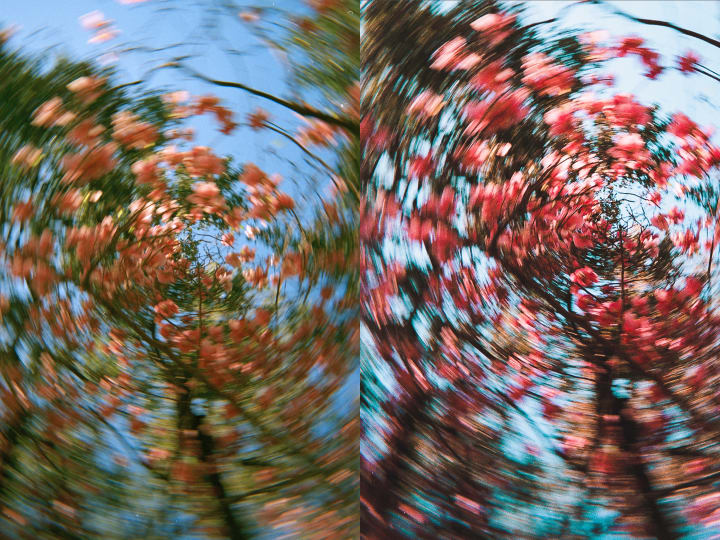
My editing process is nothing that is out of this world. Upon scanning the negatives, I open Lightroom to do some basic white balance and colour toning with curves. After adopting wabi sabi, I’ve found that there’s never much need for more than that—what’s important is preserving the essence of the original photograph. This may sound like a sin to most photographers, but I usually never edit out the dust or stains on these photographs. I want all their flaws and their beauty therein to stand stark on their own, vibrant and unashamed. I want people to see the rawness in these photographs and take it in for what it is.
Commercial photography has entered the mainstream, now serving as a standard to what perfect images or visuals should represent in the industry. It is now the tool that everyone uses to express themselves, and not even solely in the commercial industry, anymore. There are endless swathes of tutorials out there to teach you how to create a “perfect” photograph: endless electronic teachers to puppet your hands, guiding you to proper camera usage, or how to choose the best colours to invoke certain moods.
But I think they’re wrong. Perfection doesn’t exist—only as an illusion created for ourselves. Society suggests that it is best to always show your most unblemished side to the world—but deep down we don’t resonate with perfection, simply because us human beings are not perfect. A perfect photograph doesn’t have a specific formula; nor does it require a certain number of pixels to achieve. A “perfect” photograph instead needs something that people can resonate with. So next time you pick up a camera, ask yourself why. Why am I taking this specific photograph? Does it resonate with me personally?
Imagine all the time you’d save, those hours you’ll never get back from sitting in your room, editing out parts of an image you deem imperfect—once you realize that all along, you already had the image you wanted.
About the Creator
Keep reading
More stories from Oliver Sun and writers in Photography and other communities.
The Photographer's Code
You decide to visit your local park. You have become a close confidant to the homeless people who gather there most days. While talking to Cleo and Reed, you notice a new face in the crowd. It belongs to a stick-thin, middle-aged woman. She has her hand on her forehead as if taking her temperature.
By Paul Aaron Domenick4 days ago in Photography




Comments
There are no comments for this story
Be the first to respond and start the conversation.