
How to Avoid QR Code Blurriness
How to Avoid QR Code Blurriness

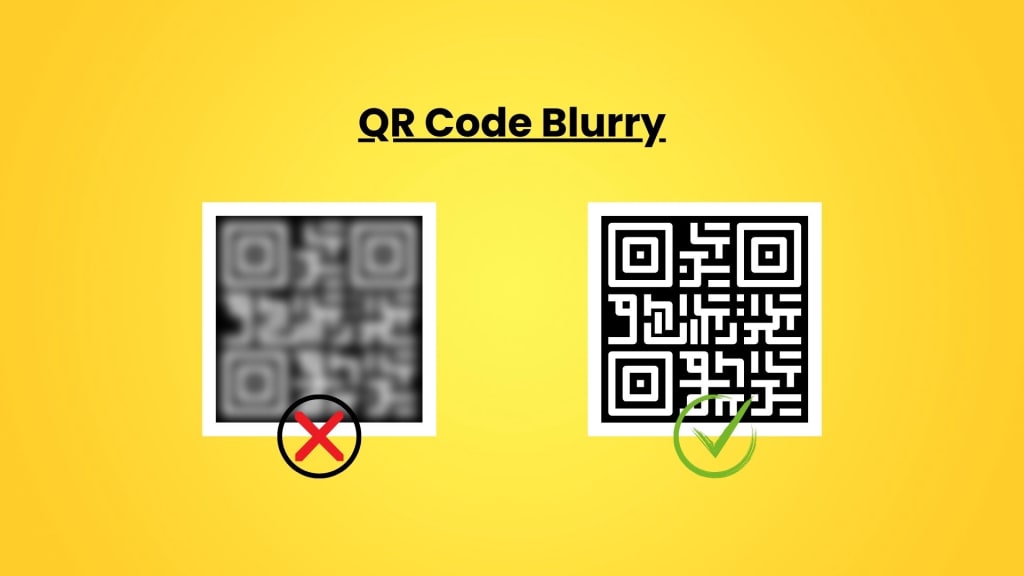
Have you ever attempted to scan a QR code but been let down by the sharpness of the image? You're in good company if you've ever attempted to purchase something, browse a menu at a restaurant, or engage with marketing campaigns for specific companies. When the code is too blurry to scan, a QR code may work well for businesses. Luckily, there are preventive ways of blurring QR codes. Let's examine why QR codes might get blurry, how to make them clear and functional, and the reasons for this phenomenon. You can also learn how to keep your Instagram followers private.
What Causes QR Code Blurriness?
Short for Quick Response codes, QR codes are two-dimensional barcodes that may hold text, URLs, and even payment information. Scanning a blurry QR code is extremely challenging since it alters its patterns. Businesses that utilize them for marketing or customer interaction suffer greatly, and users find it annoying.
A QR code may get blurry for several reasons. You are more likely to be able to stop problems before they start if you are more knowledgeable about these aspects. We examine the most frequent causes of blurry QR codes below.
Why Does QR Code Blurriness Happen?
1. Poor Printing Quality
One of the most frequent reasons for blurry QR codes is poor printing quality. Low-quality printing materials or a printing device with insufficient resolution may produce pixelated or ambiguous QR codes. Printing on low-quality paper or other materials may remove sharpness from a QR code, and therefore, scanning applications usually have difficulty identifying the code.
Most companies ignore the quality of printing materials, but a low-quality print may cause a blurry QR code, and this will prevent the success of a marketing campaign. The clarity of the code may depend on the quality of your printing setup whether it is commercial or home. PhotoCut can help you retouch your photos.
2. Improper Scaling and Resizing
The quality and readability of a QR code can be destroyed by improper resizing. A QR code that is too big or too tiny will often have distorted dimensions, making it impossible to read. Each module must retain the correct size and alignment to preserve the QR code's pattern and structure.
The most probable mistake when making a QR code smaller in size is scaling it down which leads to pixelation; it is tough for the reader to scan that. Stretching a QR code to an incorrect size also diminishes the clearness of that code. Scaling a QR code requires accurate dimensions when they are being changed for different usage purposes, including printing promotional flyers or product packages.
3. Code Degradation
QR codes that are exposed to environmental factors over time can degrade and become blurry. Outdoor exposure to elements such as sunlight, rain, dust, and even air pollution can wear down the quality of a QR code. Over time, this degradation makes it challenging for scanners to read the code correctly. When QR codes are applied on outdoor signs or non-weatherproof materials, this is especially problematic.
A QR code's design becomes less clear and the contrast between its dark and bright areas decreases as it ages or is destroyed by exposure to adverse environments. This may lead to an illegible QR code and a lost chance for customers to engage with your company.
4. Low-Resolution Images
If you are using images of QR codes, especially via websites or other social media networks, low resolutions can make images blurry or pixelated, which can complicate the scanning process when QR codes appear on websites, mostly on social media platforms due to image compression. Similarly, if the design of the QR code is too low in resolution, even if it is simply zoomed and enlarged a small amount, then it will go out of focus.
Impact of QR Code Blurriness on Your Brand
Not only does a blurry or illegible QR code annoy users, but it also damages the reputation of your company. Most marketing initiatives, ads, business cards, and correspondence with customers include QR codes. When the code is blurry, potential customers may not be able to access their requested information or special offers and content.
This can lead to missed opportunities in engagement for businesses. For example, a consumer may leave and never come back if they are unable to read the fuzzy QR code on a billboard with a great offer. In this situation, the company may lose money and suffer from a bad customer experience, which would harm the brand's reputation.
Moreover, a distorted QR code may affect the legitimacy of a brand. A dull printed or degraded QR code may let customers assume that the business does not take its performance seriously. This can negatively impact the brand's image. If you want to remove video backgrounds, PhotoCut is here to help.
How to Prevent QR Code Blurriness
Let's examine how to prevent blurry QR codes now that we know what causes them. By following these best practices, you will create legible, clear, and sharp QR codes that will encourage audience participation.
1. Create a Simple, Clean Design
While it might be tempting to put logos or colors or very intricate designs in your QR code, sometimes the result is that the QR code blurs out. Intricate designs can interfere with the pattern and may not allow the scanner to read the code properly. Therefore, a simple, clean QR code is recommended to avoid this issue.
Choose a design with minimal distractions. The code itself should remain black and white because it is easy to scan in this form. If you need to place a logo or brand image into the QR code, do not let the image overwhelm the center of the code area. Most generators allow you to create custom versions of your code, but there has to be a balance between branding and scannability. PhotoCut can also help you colorize your old images.
2. Use High-Quality Printing Materials
To ensure the clarity of your QR codes, always use high-quality printing materials. If you're printing QR codes on physical products, posters, or flyers, ensure the paper or material is suitable for clear printing. Additionally, choose printers with a high resolution to avoid pixelation. Compared to low-resolution inkjet printers, laser printers, and commercial printers often generate prints that are crisper and more readable.
When producing large-format prints, such as banners or posters, be sure the printer can manage the scale without sacrificing quality. The quality of your QR code improves with your printer's resolution.
3. Keep Proper Proportions When Scaling
It's critical to preserve the proper dimensions while resizing a QR code. Stretched or compressed, a deformed QR code will be illegible. Utilize image editing software that preserves the QR code's aspect ratio even while scaling it.
Verify the proportions suggested by the QR code generator before printing the code to make sure it stays clear. To make sure your QR code can be scanned, it's usually a good idea to print a test copy in the size you want.
4. Ensure Code Durability
Make QR codes located outside or where the elements can get to it resistant. The use of waterproof or laminated material will be in order since QR codes do fade or break because of rainfall, sunlight, and dust. When the product containing the QR code is also a product that people will interact with often, it would also make sense to make the QR code resistant.
In addition, you can use error correction technology in your QR codes. While QR codes are designed to be somewhat resistant to damage, having a higher error correction level means that even if part of the code is degraded, it can still be read.
5. Optimize Digital Images for Online Use
Make sure the photos are high-resolution and uncompressed if you are using QR codes to display them online. When viewed on various devices or magnified, low-resolution photographs may appear hazy. Uploading QR codes in high-quality formats, such as PNG or SVG, will stop this. Additionally, make sure the QR code is readable and scannable by testing its appearance on various devices.
6. Provide Context and Additional Information
Although the QR code itself is clear and scannable, users are less likely to scan it when they don't know what lies ahead. By adding additional details near the QR code, more users are apt to scan the code. Some examples of details include a small call to action such as "Scan to get 20% off!" or descriptions of what will come up after clicking on the link.
Including other contact details, like a website URL, phone number, or social media links, may also help the users feel comfortable scanning the code, especially if they know what to expect.
Conclusion
A significant barrier to successful marketing and customer engagement can be blurry QR codes. Once you understand why QR codes get blurry and know how to prevent it, you can ensure that your QR codes are clear, readable, and effective. Whether printing QR codes on physical materials or using them digitally, always make sure to print at high quality, scale properly, and be environmentally durable.
By using these tips from the guide, you will ensure your QR codes will continue to make your business a success. The clear, readable QR code not only develops the brand but also enhances the experience of the customer, thereby providing easy access to valuable information for users. You can use PhotoCut to overlay images as well.
FAQs
Q1. Can a blurry QR code still be scanned?
Ans. A somewhat blurry QR code can still be scanned if it is simple and has error correction built into it. QR codes can correct slight distortions but, depending upon the extent of the blurriness or damage, it will still not read.
Q2. Can a damaged QR code be read?
Ans. Yes, QR codes incorporate error correction mechanisms to be readable even after partial damage, and the amount of damage it can withstand increases with the error correction level. However, when the code is sufficiently damaged or obscured, it can be unreadable.
About the Creator
PhotoCut
AI Photo Editing Tool - Remove or Change your Background & Enhance Product Photos
Keep reading
More stories from PhotoCut and writers in Photography and other communities.
Transform Your Black-and-White Photos with PhotoCut’s Free AI Colorizer
There's something special about old black-and-white photos, which may be able to preserve good memories, historical moments, or even significant milestones. But when the black-and-white photos come into colorful life, something magical occurs. Imagine being able to give some color to your old family portraits, childhood pictures, historical images, or even vintage celebrity pictures, bringing them into the present. PhotoCut makes it easy to add color to your black-and-white images through its AI-powered photo colorizer.
By PhotoCutabout a year ago in Photography
The Photographer's Code
You decide to visit your local park. You have become a close confidant to the homeless people who gather there most days. While talking to Cleo and Reed, you notice a new face in the crowd. It belongs to a stick-thin, middle-aged woman. She has her hand on her forehead as if taking her temperature.
By Paul Aaron Domenick7 days ago in Photography



Comments
There are no comments for this story
Be the first to respond and start the conversation.