
Golden Triangle Tour: A Journey Through India’s Iconic Heritage
Discover the Rich Culture and History of Delhi, Agra, and Jaipur

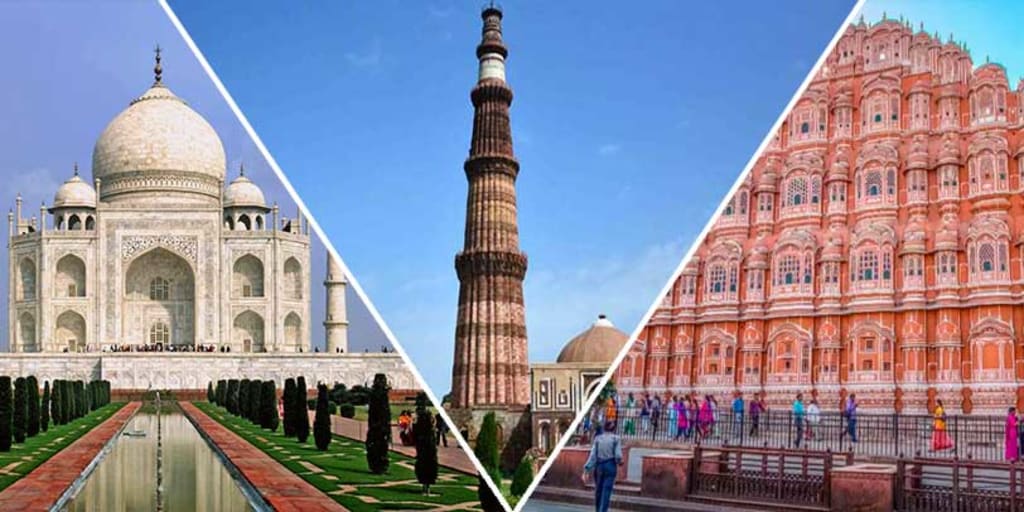
India’s Golden Triangle Tour is a perfect introduction to the country's vibrant history, rich culture, and architectural brilliance. Covering the three iconic cities of Delhi, Agra, and Jaipur, this route offers travelers an immersive experience in some of India’s most remarkable landmarks. The Golden Triangle is a favored itinerary for first-time visitors to India, giving a well-rounded glimpse into the country's Mughal and Rajputana legacies, bustling cities, and colorful landscapes.
Delhi: The Heart of India
Your journey begins in Delhi, the capital city of India. Delhi is a vibrant blend of the ancient and modern, where centuries-old monuments coexist with bustling markets and contemporary infrastructure. The city’s history is reflected in its numerous heritage sites, many of which date back to the Mughal and British eras.
A must-see attraction in Delhi is the Red Fort, an imposing structure made of red sandstone, which served as the main residence of the Mughal emperors for nearly 200 years. Another significant site is Humayun’s Tomb, a UNESCO World Heritage Site, known for its symmetrical gardens and exquisite Mughal architecture that influenced the design of the Taj Mahal. The Qutub Minar, another historical marvel, stands tall as the world’s tallest brick minaret, showcasing Indo-Islamic architectural brilliance.
Delhi is not just about history; it’s also a bustling metropolis with vibrant markets such as Chandni Chowk, a famous shopping destination where visitors can explore a variety of traditional goods, textiles, and delicious street food. The city’s modern attractions, including India Gate, Rajpath, and Connaught Place, offer a glimpse into the newer side of India.
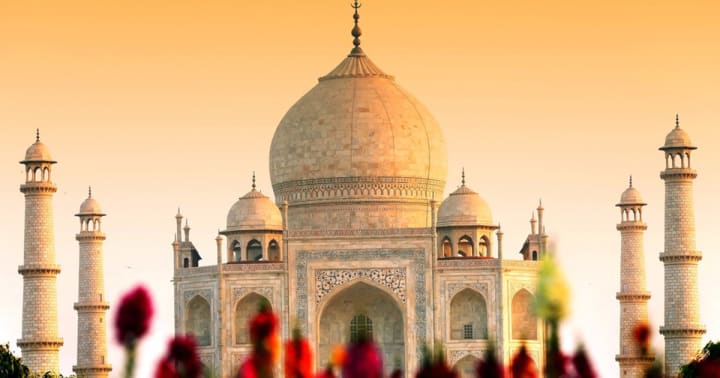
Agra: The City of Eternal Love
From Delhi, the journey moves on to Agra, home to one of the most famous monuments in the world, the Taj Mahal. Agra, located on the banks of the Yamuna River, was once the seat of the Mughal Empire and is known for its rich Mughal heritage.
The Taj Mahal, a UNESCO World Heritage Site, is undoubtedly the highlight of Agra. Built by Emperor Shah Jahan in memory of his beloved wife Mumtaz Mahal, this white marble mausoleum is a symbol of love and one of the Seven Wonders of the World. The intricate craftsmanship, with its inlaid precious stones and floral motifs, is stunning and draws millions of visitors every year. The Taj Mahal’s beauty is most breathtaking at sunrise and sunset when the marble seems to glow in different shades as the light changes.
In addition to the Taj Mahal, Agra Fort is another major attraction. This massive red sandstone fort was once the main residence of the Mughal emperors. The fort contains several palaces, gardens, and mosques within its walls, making it a fascinating place to explore. The Itmad-ud-Daulah’s Tomb, also known as the Baby Taj, is another must-see. This smaller, jewel-like structure served as an inspiration for the design of the Taj Mahal and features intricate marble inlay work.
Agra is also famous for its handicrafts, including marble inlay work, leather goods, and carpets. Visitors can explore the local markets to purchase these items as souvenirs of their visit.
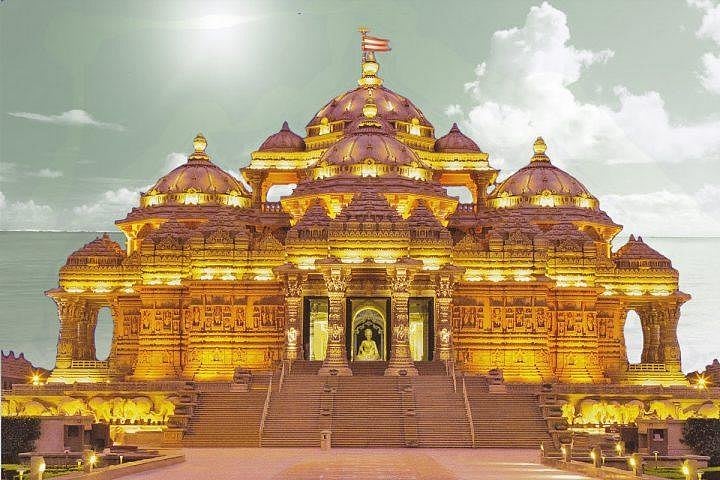
Jaipur: The Pink City
The final stop on the Golden Triangle Tour is Jaipur, the capital city of Rajasthan, known as the Pink City. Jaipur is a city of forts, palaces, and vibrant culture. It was named after Maharaja Jai Singh II, who founded the city in 1727. The city is famous for its distinctive pink-colored buildings, a color that symbolizes hospitality.
Jaipur’s most iconic landmark is the Amer Fort, located on a hilltop overlooking Maota Lake. The fort is a stunning blend of Rajput and Mughal architectural styles, with intricate carvings, mirrored mosaics, and grand courtyards. Visitors can explore the various sections of the fort, including the Sheesh Mahal (Mirror Palace), Diwan-e-Aam (Hall of Public Audience), and the ornate Ganesh Pol gateway.
Another architectural marvel is the City Palace, still home to Jaipur’s royal family. The palace complex features beautiful courtyards, museums, and gardens, where visitors can learn about the history of the region. The Hawa Mahal, or Palace of Winds, is another must-see site. This five-story palace, with its honeycomb-like structure and small windows, allowed royal women to observe street festivals without being seen.
Jaipur is also home to Jantar Mantar, an astronomical observatory built in the 18th century and a UNESCO World Heritage Site. The observatory houses several architectural instruments used to measure time and celestial objects, reflecting the scientific advancements of the era.
In addition to its historic landmarks, Jaipur is famous for its vibrant markets where visitors can shop for traditional Rajasthani textiles, jewelry, and handicrafts. Popular shopping spots include Johari Bazaar, Tripolia Bazaar, and Bapu Bazaar, where you can find colorful fabrics, silver jewelry, and handcrafted goods.
Conclusion: A Timeless Journey
The Golden Triangle Tour offers a perfect blend of India’s rich cultural and historical heritage. From the Mughal grandeur of Delhi and Agra to the royal splendor of Jaipur, this journey takes travelers through the heart of India’s most iconic landmarks. Whether you are admiring the intricate marble work of the Taj Mahal, exploring the majestic Amer Fort in Jaipur, or wandering through the bustling streets of Old Delhi, the Golden Triangle is an unforgettable experience that showcases the best of India’s past and present.
About the Creator
Arabiersindia
Based in New Delhi, India, we specialise in crafting tailor-made Dubai holidays, offering seamless tourist visa services and exceptional travel packages for Indian travellers. From the vibrant cities .
Keep reading
More stories from Arabiersindia and writers in Photography and other communities.
Golden Triangle Tour + Varanasi: Adding a Spiritual Touch to Your Indian Adventure
India is a vibrant blend of color, chaos, culture, and calm. The Golden Triangle Tour Packages – covering Delhi, Agra, and Jaipur – offer a crash course in the grandeur, history, and cultural diversity of India. But what if you could go a little deeper? Add Varanasi, the spiritual heart of India, and your adventure transforms into something more meaningful and soul-stirring.
By Arabiersindia6 months ago in Photography
My Year, in Prattling and Photos
It's been a year since... last year. Ironically, it seems I've found myself a new tradition of getting sick during the New Year holidays. At least, this year (that is, this inter-year period remarkable for its shiny decorations in the streets and houses, and closed supermarkets and pretty much everything), I'm doubtlessly doing better: I've managed to come visit my friends in Germany for Christmas (which I failed to do last year) and—after having some good quality time eating machanka, playing Munchkin and swinging machetes (the last one obviously crept into this checklist only for the sake of the phonological form)—I came back home via proverbial Deutche Bahn and probably less known Schweizerische Bundesbahnen, my body hosting a family of viruses, virions and who knows what other tiny critters somewhere inside my chest.
By Andrei Z.17 days ago in Photography
The People We Meet on Vacation: Moments, Connections, and Lasting Impressions
The People We Meet on Vacation: Moments, Connections, and Lasting Impressions Vacations are more than a break from daily routines. They are a unique social experience where people from different backgrounds cross paths in unexpected ways. The people we meet during a holiday often leave strong impressions, even if the interaction lasts only a few minutes. These encounters can shape memories, influence perspectives, and sometimes turn into lifelong friendships. Understanding who we meet on vacation helps explain why travel feels so meaningful to many people.
By America today 7 days ago in Photography



Comments
There are no comments for this story
Be the first to respond and start the conversation.