
Everything You Need to Know About the Fuchsia Color
Everything You Need to Know About the Fuchsia Color

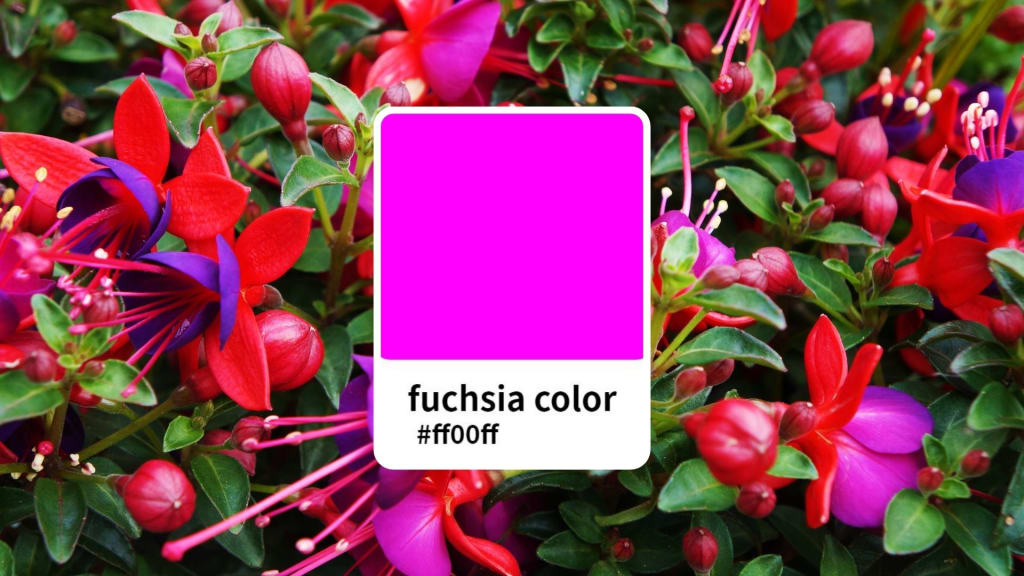
Fuchsia is a color of great intensity that is placed right in between pink and purple on the spectrum. Neither purple is too showy nor is pink too light, making this color quite distinct and flexible in use for diverse design purposes. You're reading the correct blog if you want to learn about the characteristics, hues, or sentimental significance of fuchsia. Everything you need to know about fuchsia will be covered in this article, including its description, variances, psychological effects, and usefulness in design.
What is Fuchsia?
Fuchsia is a bright color that takes the undertones of pink and purple. It is softer than it is purplish while much brighter than it is pink-like. The German botanist Leonhart Fuchs first used the color fuchsia in the 16th century. French botanist Charles Plumier popularized it when a fuchsia plant with vivid pink, purple, and white blooms was used.
Fuchsia is represented as #FF00FF in the RGB (Red, Green, Blue) color model. This color is often considered a synonym with magenta, especially in digital design and web contexts, because they look almost the same.
Different Shades and Variations of Fuchsia
Although many people think of fuchsia as a vivid pinkish-purple, several tints provide subtle variations. Every shade has distinct qualities and works well for various design purposes. Some notable shades of fuchsia include:
1. French Fuchsia
The hues that seem more vibrant and warm include French fuchsia. Its RGB color model represents it as 55% red, 14% green, and 32% blue. Its code is #FD3F92. Because it leans pink, it looks quite whimsical and feminine. It is taken largely in use in the fashion world and for the packaging of beauty products to give it an energetic feel.
2. Fuchsia Purple
Fuchsia purple is the color represented by the hex code #CC397B. This color is a darker and richer version of the standard fuchsia color. Even though this is not a web-safe color, it is sometimes used in HTML and CSS coding to customize the designs of web pages. It's a good alternative if you need a more muted version of fuchsia but want it to remain vibrant.
3. Fuchsia Rose
The hex code is #C74375. This version of fuchsia has a bit more red in it and appears warmer, more rosier in color. Fuchsia rose has become a common favorite because of the soft, romantic quality associated with it in design cosmetics and floral-themed products.
4. Deep Fuchsia
Deep fuchsia is a rich color with a balance of pink and purple; it has a hex code #C154C1. RGB values are (193, 84, and 193), showing that it contains equal parts red and blue for an elegant and bold look. It is often applied in interior and graphic design for sophisticated effects.
5. Antique Fuchsia
Antique fuchsia is a desaturated version of the color fuchsia. The hex code for this color is #915C83. The compound is made up of 39% red, 25% green, and 36% blue. Due to its vintage presentation, subdued, and great suited to traditional or classic design schema, this color is mostly applied by designers in indoor designs to bring warmth and nostalgia in different spaces.
Spiritual and Emotional Meanings of Fuchsia
Colors have been associated with different emotions and meanings for long. Fuchsia, in particular, has both positive and negative associations, which makes it a very powerful color in design as well as in personal expression.
Positive Associations
- Confidence and Assertiveness: Fuchsia is a bold and vibrant color, symbolizing self-assurance and strength. Its vividness makes it a great choice for individuals or brands wanting to make a statement and stand out.
- Youth and Joy: Fuchsia is often linked to youthfulness and fun. Its bright, playful nature conveys happiness and exuberance. People associate it with optimism and a carefree attitude.
- Passion and Love: Like its close relatives in the red and pink families, fuchsia is also connected to love and romance. It represents deep emotions, including passion and affection.
- Happiness and Achievement: Fuchsia can be used to describe joyous success and, thus, it's a fantastic color for designs celebrating the success of something or other, like congratulatory cards or event promotions.
Negative Associations
While fuchsia is, in general, a color that is seen to be good, it may also have a negative meaning depending on the context:
- Arrogance and Superiority: Being very bold, the fuchsia color used excessively might appear overbearing or too arrogant, thus being a symbol of arrogance.
- Despair or Anxiety: Some individuals may associate the color fuchsia with anxiety or emotional turmoil. This may occur when one finds themselves in situations that are particularly stressful or demanding. The vibrant nature of this color may stir up a sense of unease if it is used too abundantly.
Using Fuchsia in Design
The bold use of fuchsia brings impact into designs. One can use it for marketing, product design, or visual arts, and it's going to make one's project pop out; hence that emotional connection with the audience will be created. How to use fuchsia effectively in your designs:
1. Marketing and Branding
Fuchsia is a very appealing color for adding to marketing material because it easily captures attention. Its vibrant and youthful quality will make it highly suitable for brands targeting a younger audience or those in the beauty, fashion, and entertainment industries. Fuchsia can help bring about a fun, energetic, and memorable brand image. Using the color fuchsia in logos, advertisements, and promotional materials also increases brand recognition and communicates the idea of being creative and modern. You can learn about the 8 x 10 photo size to use it for your marketing materials.
2. Product Design
When designing products, particularly for women or to have a female target market, it is very favorable to choose fuchsia. It can be so playful but elegantly flaunted in cosmetics, clothing, handbags, and accessories. Used for product packaging or design, it can add more luxury feelings to the product and is high-end yet fresh and approachable.
3. Interior Design
Fuchsia can be applied in interior design to come up with vivid eye-catching accents or even as the primary color in a room. It is usually used in textiles, especially throw pillows, curtains, or bed linen, and is effective for application with neutral colors such as gray, beige, and white. Such color helps add warmth and vibrancy to the space, making the space lively and welcoming.
4. Web Design
When combined in web design, it can create an eye-catching color for your call-to-action links and prominent elements that are supposed to create a certain level of attraction. It is best suited for modern websites on fashion, beauty, or entertainment themes. Fuchsia should be paired with colors such as black, white, or gold for a layout that will be very pleasing to the eye. You can also find fuchsia wallpapers using the best wallpaper apps to make your screens look elegant.
How to Create Stunning Designs with Fuchsia Using PhotoCut’s Color Palette Generator
If you are working on a design project and need to input fuchsia, then using PhotoCut's color palette generator would be a great help in directly accessing and applying the fuchsia color with ease.
- Launch the PhotoCut app on your device
- Tap on the color box from the editing toolbar. Then, tap the \"+ " icon below the theme colors. This will bring up a menu with a list of colors.
- Type #FF00FF into the search bar, and you should see fuchsia appear in your palette.
- Once you've selected the color, it is easy to apply it to your design elements, text, background, or graphics.
With PhotoCut's color palette generator, you get instant access not only to fuchsia but to many other colors so that you easily come up with the perfect design. You can also use PhotoCut to look aged in photos.
Conclusion
Fuchsia is a vibrant and dynamic color between pink and purple. This color has varied shades, and each shade gives a different color with its peculiar characteristics and application. From the botanical history it has drawn to its modern applications in designing, this color fuchsia carries a sense of confidence, joy, and passion, though it can sometimes reveal arrogance or anxiety if used too much. It still stands as a powerful tool in marketing, branding, and product design. Whether it's fashion, beauty, or interior spaces, fuchsia is one of those colors that can give your work that edge and leave an impression.
If you want to use fuchsia in your design projects in a simple manner, PhotoCut's color palette generator gives you the simplest answer to apply fuchsia easily and create amazing designs. You can also use PhotoCut’s Face Editor to enhance your portraits.
FAQs
Q1. What is fuchsia?
Ans. Fuchsia is a rich, purplish-red shade that resembles an intense pink combined with a smudge of purple or magenta. It's a color named for the fuchsia flower, whose vibrant colors mirror its own.
Q2. Is fuchsia a primary color?
Ans. No, fuchsia is not a primary color. This is a secondary color created when red and blue are mixed and a little white is added to lighten it.
Q3. How is fuchsia different from magenta or hot pink?
Ans. While magenta, hot pink, and fuchsia are related, they have subtle differences:
- Magenta: More purple with less red than fuchsia. It’s a pure mix of red and blue.
- Hot Pink: A brighter, more intense pink that leans more toward red than fuchsia. It’s a more eye-catching and vibrant pink.
- Fuchsia: Sits between magenta and hot pink, with a strong pink base and clear purple undertones.
Q4. What are the different shades of fuchsia?
Ans. Fuchsia has many variations, ranging from light to dark, and with varying purple tones:
- Bright Fuchsia: A vibrant, intense version.
- Light Fuchsia: A softer, paler version.
- Dark Fuchsia: A deeper, richer version.
- Orchid Fuchsia: A version with more pronounced purple hues.
Q5. What does the color fuchsia symbolize or represent?
Ans. Fuchsia is often linked to:
- Confidence and boldness: It’s a color full of energy.
- Playfulness and fun: It’s youthful and whimsical.
- Femininity and romance: Commonly used in feminine designs.
- Creativity and innovation: Encourages unconventional thinking.
- Passion and excitement: It has an intense, emotional feel.
Q6. Where is fuchsia commonly used?
Ans. Fuchsia is popular in several areas:
- Fashion: Seen in clothing, accessories, and makeup.
- Interior Design: Used in textiles, paint, and décor.
- Marketing and Branding: Often found in logos and product packaging.
- Art: Used for its expressive and vibrant qualities.
- Gardening: The fuchsia flower is a common plant in gardens.
Q7. What colors pair well with fuchsia?
Ans. Fuchsia is flexible and works well with:
- Neutrals: Gray, white, black, or beige create a chic contrast.
- Greens: Deep greens like emeralds work beautifully with fuchsia.
- Blues: Shades like turquoise or navy complement fuchsia.
- Other Pinks: Different pinks create a harmonious look.
- Yellows: A bold, energetic pairing.
- Golds and Silvers: Add a touch of glamour.
Q8. Is fuchsia a "warm" or "cool" color?
Ans. The blue undertones of fuchsia make it a "cool" hue, yet its foundation is red, making it a warm-cool color combination.
Q9. What is the reason behind the fuchsia flower's name?
Ans. The fuchsia flower, with its vivid pink and purple petals, inspired the color's name.
Q10. How do RGB or hex codes define fuchsia?
Ans. Fuchsia is defined by specific color codes:
- RGB: Approximately (255, 0, 255) – meaning full red, no green, and full blue.
- Hex: #FF00FF.
About the Creator
PhotoCut
AI Photo Editing Tool - Remove or Change your Background & Enhance Product Photos
Keep reading
More stories from PhotoCut and writers in Photography and other communities.
Understanding the 8 x 10 Photo Size
One of the most common photo sizes is 8 x 10. Any photographer, artist, or person who frames photos would frequently come across this size. In the article below, we will understand several dimensions of an image with the size 8 x 10 and how to format any image for an 8 x 10 with the aspect ratio as well as what resolution you should have for both Web and Print along with other applications so you don’t waste a square inch.
By PhotoCut12 months ago in Photography
The Photographer's Code
You decide to visit your local park. You have become a close confidant to the homeless people who gather there most days. While talking to Cleo and Reed, you notice a new face in the crowd. It belongs to a stick-thin, middle-aged woman. She has her hand on her forehead as if taking her temperature.
By Paul Aaron Domenick7 days ago in Photography



Comments
There are no comments for this story
Be the first to respond and start the conversation.