
عندما يترقب الموت: صورةٌ لضمير العالم الغائب - "النسر والطفل السوداني 🇸🇩
When Death Awaits: A Portrait of the Absent Conscience of the World - "The Vulture and the Child"

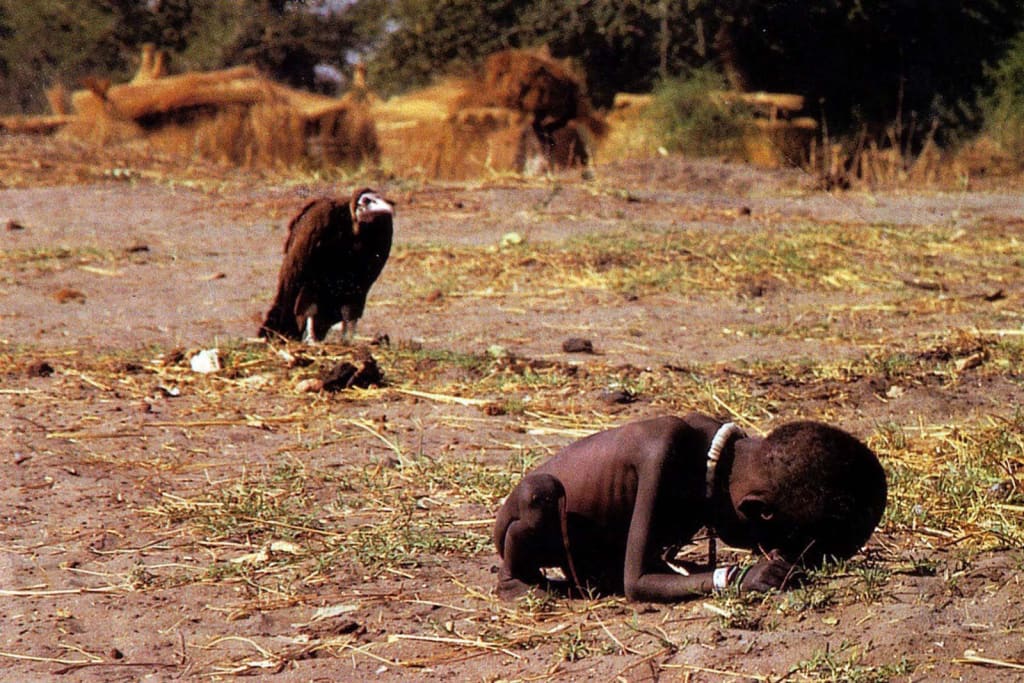
When Death Awaits: A Portrait of the Absent Conscience of the World - "The Vulture and the Child"
This harrowing photograph, known as "The Vulture and the Child," is a visual testimony to one of humanity's most painful moments. Captured by South African photographer Kevin Carter in 1993 during the devastating famine in Sudan, the image depicts a small, emaciated child bent over in exhaustion and hunger, while a vulture stands ominously behind, seemingly waiting for the child’s demise. It is a brutal scene that mirrors both the greed of nature and the bitter realities of human suffering.
This photograph was far from being a mere journalistic snapshot. It was a loud cry that awakened the world’s conscience and shed light on a tragedy that had long been hidden from view. However, the image also sparked controversy over professional ethics. People questioned: why didn’t the photographer intervene to save the child? Carter later explained that he had been under strict instructions from relief teams not to touch or assist victims due to health and safety concerns, leaving him powerless in the face of such a heartbreaking scene.
The photo won the Pulitzer Prize in 1994, but this achievement became a heavy psychological burden for Carter. The haunting memory of the child and the vulture's gaze continued to torment him, leaving him overwhelmed with guilt and helplessness. A few months later, Carter tragically took his own life, leaving behind a somber message about the emotional toll that photographers often bear when their cameras become windows into the world's misery.
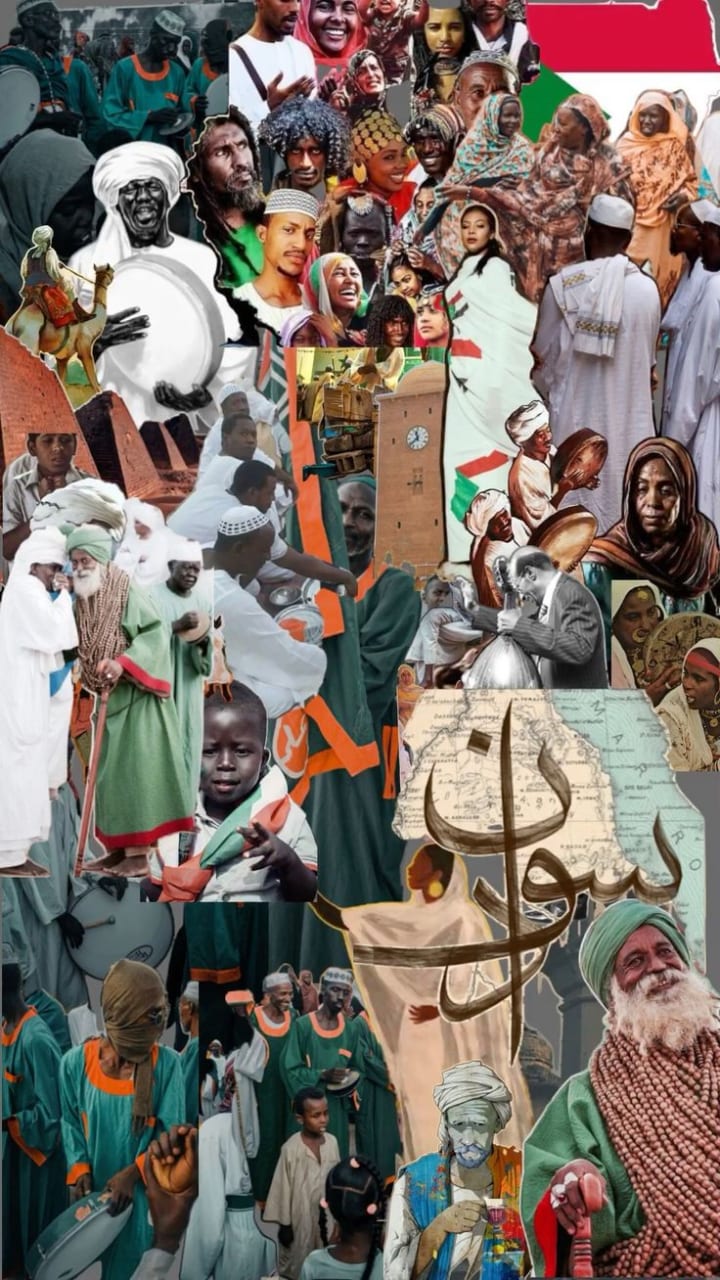
A Scene Repeated Through the Decades
This photograph remains a testament to human suffering that continues to be repeated in various parts of the world, particularly in Sudan. Today, regions like Darfur experience similar scenes—faces ravaged by hunger and eyes filled with confusion and fear.
More than 30 years later, Sudan still suffers. In areas like Darfur, deadly conflicts and wars persist, with atrocities committed daily—beheadings, mass rapes, looting, mutilation of bodies, and torture. These are not distant historical accounts; they are part of everyday life in Darfur and other war-torn regions of Sudan. Violence is rampant, and innocent civilians face hunger, displacement, and death while the world turns a blind eye or shirks its responsibility to intervene.
A World Between Neutrality and Inaction
Kevin Carter was not the only one to find himself in the role of a powerless observer. The truth is that much of the world stands in the same position—governments, leaders, and international organizations. The world sees, hears, and knows, but it often chooses neutrality or inaction rather than taking real steps to save lives.
Humanitarian aid is sent, but it is insufficient to bring about meaningful change. Conferences are held, and resolutions are passed, but they remain words on paper in the face of the brutality of conflicts. What if, instead of focusing on counting the dead and the losses, we concentrated on protecting lives and preventing catastrophes before they happen?

Children Pay the Highest Price
In wars and conflicts, children suffer the most. It is not just hunger and disease; they lose safety, education, and their entire childhoods. Imagine being five years old, chased by bombs, living in constant fear of death, sleeping hungry while hearing the cries of your family or seeing bodies on the streets.
In Darfur, children are forced to flee their homes, becoming refugees in foreign lands where they face new challenges such as racism, mistreatment, and poverty. This is not just a humanitarian tragedy but a crime against humanity itself.
Humanity in a Constant Test
The Sudan crisis is not an exception; it is one of dozens of crises plaguing the world, from Syria and Yemen to Palestine and Ukraine. These crises constantly test our collective humanity. What does it mean to be human? To stand as a silent observer while others suffer, or to take action to save lives?
If the child in Kevin Carter’s photograph is a symbol of hunger and despair, the vulture represents a world that watches in silence. The world must break this silence and act seriously to end the suffering of millions of innocent people.
The Voice of Poetry Amid the Darkness
Amid these painful scenes, words remain a powerful reminder of our lost humanity. As Mahmoud Darwish writes:
> “As you return to your home, think of others:
Do not forget those who live in tents.
As you sleep and count the stars, think of others:
There are those who have no space to sleep.
As you free yourself with metaphors, think of others:
Those who have lost their right to speak.
And as you think of distant others, think of yourself.
Say: If only I were a candle in the dark.”
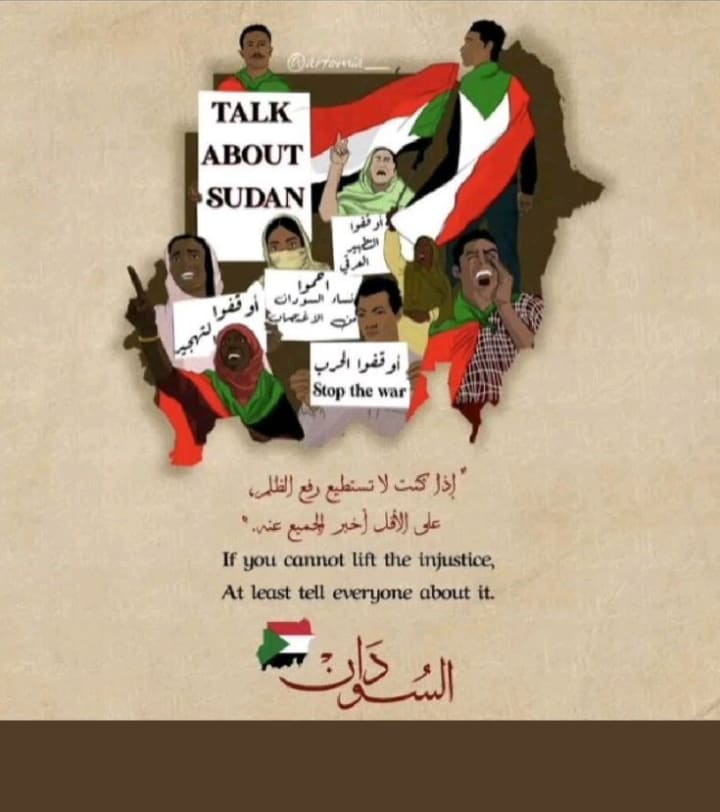
These words are a call for each of us to bear responsibility for others. It is not enough to feel sadness or talk about suffering; we must be part of the solution. If we cannot change the entire world, let us start by changing our small corner of it.
Conclusion: One Photo, a Million Lessons
"The Vulture and the Child" is more than just a photograph; it is a symbol of human suffering that continues to this day. It is a call for reflection and action, a reminder that we can and must be better. We may not be able to change everything, but we can think, help, and act to become that “candle in the dark” that Darwish envisioned.
About the Creator
Keep reading
More stories from William and writers in Photography and other communities.
My Year, in Prattling and Photos
It's been a year since... last year. Ironically, it seems I've found myself a new tradition of getting sick during the New Year holidays. At least, this year (that is, this inter-year period remarkable for its shiny decorations in the streets and houses, and closed supermarkets and pretty much everything), I'm doubtlessly doing better: I've managed to come visit my friends in Germany for Christmas (which I failed to do last year) and—after having some good quality time eating machanka, playing Munchkin and swinging machetes (the last one obviously crept into this checklist only for the sake of the phonological form)—I came back home via proverbial Deutche Bahn and probably less known Schweizerische Bundesbahnen, my body hosting a family of viruses, virions and who knows what other tiny critters somewhere inside my chest.
By Andrei Z.19 days ago in Photography
A Lifetime of Shakas
For more than three decades as a part-time freelance news and sports photographer in Hawaiʻi, I’ve captured countless moments across the islands — and a few on the mainland. Along the way, almost without realizing it, I built an ever-growing photo archive of people flashing the shaka sign.
By Tim Wrightabout 7 hours ago in Photography
Center Stage with Paul Stewart
*** I'm keen to republish the interviews I did for my series with Vocal creators. It's been a few years and I thought it might be nice to revisit these wonderful conversations. I'll be releasing them one at a time for a few weeks/months.
By Heather Hubler4 days ago in Interview



Comments
There are no comments for this story
Be the first to respond and start the conversation.