
6 Types of E-Commerce APIs and Their Business Benefits
6 Types of E-Commerce APIs and Their Business Benefits

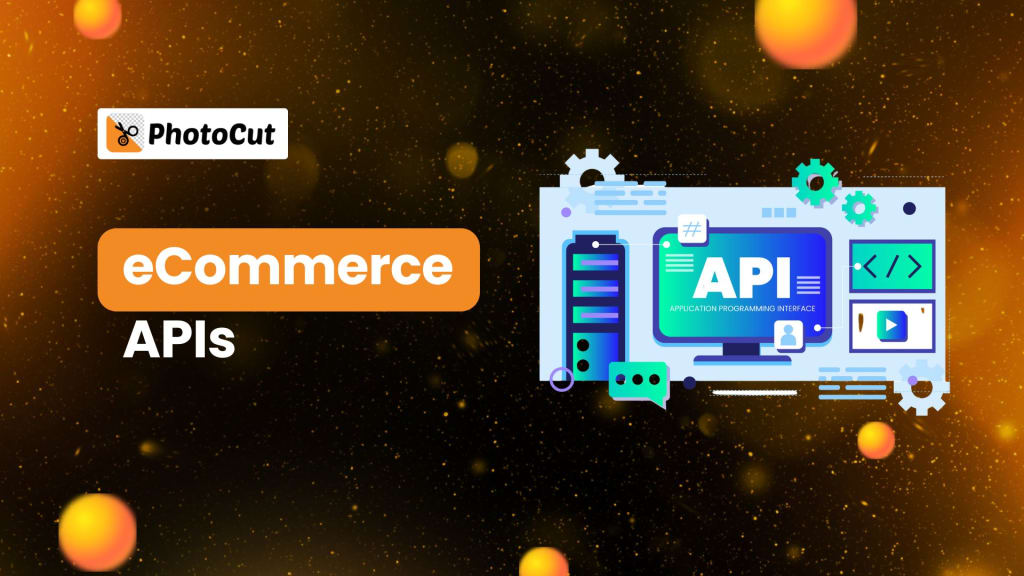
Over time, online shopping has evolved into a crucial component of modern consumer behavior. E-commerce platforms have made the process of purchasing groceries, gadgets, or a new outfit easier for both customers and companies. However, behind each successful online transaction, there's a critical enabling technology that lets everything operate seemingly flawlessly-E-Commerce APIs (Application Programming Interfaces).
APIs are the unsung heroes that power the communication of a given online store's diverse components, whether used in order processing, customer information tracking, or product listing display. E-commerce APIs are all-important, bearing the brunt of implementing streamlined e-commerce operations. This article explains what e-commerce APIs are, their benefits, and the different types of APIs a business can use to optimize its online stores.
What is an E-Commerce API?
In simple words, an E-commerce API is a set of protocols and tools for their data. That acts as the bridge that gives seamless interaction amid various systems and platforms within e-commerce. Everything from product details and order fulfillment to customer databases and payment applications can be linked and automated in e-commerce API.
APIs help scalability, improve user experiences, boost efficiency, and streamline operations for online enterprises. Shopify and Magento are well-known e-commerce systems that come with APIs that let companies improve customer experiences, integrate third-party services, and expand the functionality of their online storefronts.
Discover the potential of Video API.
How Does an E-Commerce API Work?
Now, let's take an example of buying something online. Imagine you have placed items in the cart on the e-commerce website. At the time of checkout, very technically, an e-commerce API is doing a lot of background work for the front end of the site, which you can see, to hook it up to the actual backend services that take care of order processing, payment gateway, or inventory management system.
E-commerce APIs usually communicate through a web-based language called REST, which represents the state of transfer. In this way, systems can easily exchange information by using simple HTTP requests. For instance, if a user places an order, the API requests the inventory system to confirm if the products are available, update the payment processing service for billing, and confirm the order with the shipping system.
Read about Video Editing APIs and enhance your videos.
Benefits of E-Commerce APIs
There are vast benefits associated with e-commerce APIs for online retailers, developers, and customers. Some of them are as follows:
- Time-Saving and Automation: Many e-commerce-related processes are automated by APIs, including order processing, payment verification, inventory updates, and management of customer data. This decreases the manual interference and lets the business work with a better pace.
- Improved Security: APIs use layers of encryption, authentication, and safe transfer protocols in the exchange and sharing of customer data, keeping information such as credit card information and personal addresses private.
- Scalability and Flexibility: As the economy of online businesses grows, APIs allow stores to process greater volumes of transactions, customers, and product data without significant infrastructure changes. E-commerce APIs also facilitate easy integration into additional services or systems so that a business can scale as it expands.
- Better Customer Experiences: Integrating various systems, and APIs gives ways to make shopping seamless and personalized for customers. Real-time updates on the availability of products, shipping progress, and payment status add to customer satisfaction.
- Cost Efficiency: Businesses do not need custom development as they can avail of pre-built solutions and effectively make ways for numerous functions it needs to make.
Split your images online for free using PhotoCut’s Image Splitter.
Types of E-Commerce APIs
E-commerce APIs come in various types, each designed to handle specific tasks within an online store. Here are six key types of e-commerce APIs and how they benefit businesses:
1. Catalog API
With a Catalog API, business organizations can manage and update their catalog listings efficiently. Product information such as price, description, images, and availability can be automatically synchronized across numerous online stores without having to manually update each listing. This saves time and prevents duplication.
Benefits:
- Real-time product updates across multiple channels.
- Reduced manual data entry and errors.
- Improved efficiency for handling large product inventories.
2. Login API
Using their current social media login credentials, such as those from Facebook, Google, or other third-party services, customers may access an online store using a login API. By removing the need to remember several passwords, single sign-on makes it easier for consumers to log in.
Benefits:
- Enhanced convenience for customers, leading to a better user experience.
- Increased conversion rates, as customers can quickly sign in or register.
- Reduced friction in the login process, leading to fewer abandoned carts.
3. Cart API
A Cart API helps manage and track the items that customers add to their shopping carts. It can compute shipping charges, apply discount offers, and handle complex scenarios like product suggestions. Another feature is that the Cart API enables a store to track abandoned carts and allows a reminder to be sent to customers to return to their purchase.
Benefits:
- Real-time cart tracking and updates.
- Upsell and cross-sell opportunities improved.
- Ability to send automatic reminders for abandoned carts.
4. Checkout API
It streamlines the payment process by integrating many payment methods and personalizing the checkout process. Customers can now check out swiftly and safely thanks to the smooth transition from basket to payment confirmation.
Benefits:
- Faster and more efficient checkout process.
- Support for multiple payment options (credit/debit cards, e-wallets, etc.).
- Customizable checkout experience, leading to higher customer satisfaction.
5. Marketing API
A Marketing API enables companies to send personalized marketing messages, including promotional emails, to customers who have engaged with their products by shopping. This is done based on purchase behavior. A marketing API can thereby segment audiences for the delivery of relevant content for the improvement of engagement and sales.
Benefits:
- Targeting the marketing efforts will be improved using customer behavior.
- Customer retention will increase.
- Personalized offers, discounts, and promotions can be sent.
6. Customer API
The Customer API allows companies to manage and personalize customer profiles. This means that online stores can offer the right shopping experience by storing data such as browsing history, previous purchases, and preferences.
Benefits:
- Improved data-driven insights about product offerings and marketing techniques.
- Increased customer loyalty through relevant recommendations and offers.
- Improved customer satisfaction with tailor-made shopping experiences.
E-Commerce Models and API Integration
Businesses employ different strategies to sell products online. Two common models are the commerce-first model and the experience-first model. Both benefit from APIs, but in different ways:
Commerce-First Model
The commerce-first model focuses more on the process of buying. The e-commerce marketplace tends to make buying as easy as possible, and all APIs are utilized so that the front-end store is connected to back-end essential processes such as payment gateways, inventory management, and shipping services.
Experience-First Model
On the contrary, the experience-first model will be more of a unique experience for the customers. In such a model, the e-commerce store is more about the presentation of the cart rather than having it. Here, APIs become a crucial point to ensure product presentation, UI design, and customer personalization are optimized to achieve a superior experience.
Considerations for Evaluating an E-Commerce API
While selecting an e-commerce API, the following factors need to be taken into consideration to determine if it fulfills your business needs:
1. Location
The location of the servers where an API resides determines data security, load times, and the observance of local regulations such as GDPR. Ideally, the e-commerce API should have a data center located close to the target market for reduced delays and better security.
2. Extensibility
Some APIs offer flexibility in how they handle data, allowing businesses to customize their integration. Look for an API that offers key-value pairs or more complex customization options for your data management needs.
3. Interoperability
An API should seamlessly integrate with other tools and systems. APIs that support webhooks are great for open integrations, allowing you to connect multiple services without a hitch.
4. Developer Experience
The ease of use for developers is critical. But other factors such as documentation clarity, the efficiency of implementation, and the degree of support will greatly influence the speed of integration and overall experience.
Conclusion
E-commerce APIs have become a necessity in today's online trade enterprise. With their capabilities to enhance operations, customer experiences, and scaling businesses, they help to provide a scaleable operation. API automation of inventory management, order processing, and customer data handling, saves time, increases efficiency, and accelerates growth. Businesses can choose APIs tailored to operational needs or targeted toward customer experience with various types of APIs. Whether you look to streamline your store, personalize the shopping journey, or improve security, APIs are the way to achieve success in the competitive world of e-commerce.
Design your home online using PhotoCut’s AI Interior Design Generator.
FAQs
Q1. What is an API and how does it relate to e-commerce?
Ans. An API is the term given to an Application Programming Interface. An API provides for interchange between different software systems. APIs allow different systems, like customer relationship management, payment processing, and inventory management, to connect in e-commerce.
Q2. What are the different types of e-commerce APIs?
Ans. Key types of e-commerce APIs include:
Product Information Management (PIM) APIs: Manage product data across multiple channels.
Payment Gateway APIs: Process payments securely.
Shipping and Fulfillment APIs: Handle logistics, tracking, and shipping.
Inventory Management APIs: Track stock levels and product availability.
Marketing and Analytics APIs: Deliver insights for targeted marketing.
Q3. What are the business benefits of using e-commerce APIs?
Ans. E-commerce APIs help streamline processes, improving customer experience, scaling, and availability of real-time data access. With APIs a competitive advantage can be reaped by the integration of various business systems.
Q4. Are e-commerce APIs secure?
Ans. Yes, the e-commerce APIs are well-secured and contain encryption, authentication, and secured data transmission protocol. When a reliable provider is chosen along with best security practices, your business's sensitive information will remain secure.
Q5. How do I choose the right e-commerce API for my business?
Ans. Functionality, security, developer support, pricing, and platform compatibility should all be major factors when choosing an e-commerce API.
About the Creator
PhotoCut
AI Photo Editing Tool - Remove or Change your Background & Enhance Product Photos
Keep reading
More stories from PhotoCut and writers in Photography and other communities.
Unlocking the Power of Video APIs
Have you ever imagined how videos just upload, get stored, and stream across the internet without hiccups? Behind the curtains, driving all this complexity are the unsung heroes, the video API. This magical tool allows developers to manage, optimize, and deliver video content. In this article, we will explore this theme of video APIs while you are also introduced to PhotoCut Video API, a powerful solution for businesses looking to supercharge their video content.
By PhotoCut11 months ago in Photography
Gold Chrysotype Photography Is Back and the Colours Are Breathtaking
There is a moment when a chrysotype print is lifted from its chemical bath and held up to the light stops people mid-breath. The colours that bloom across the surface — soft dusty pinks fading into deep magenta, rich cyans pooling at the edges, velvety blacks settling into the grain of the paper — look less like a photograph and more like something pulled from a dream.
By CurlsAndCommas4 days ago in Photography




Comments
There are no comments for this story
Be the first to respond and start the conversation.