
Why Is My Cats Eye Watering?
Why Is My Cat’s Eye Watering? A Complete Guide for Cat Lovers

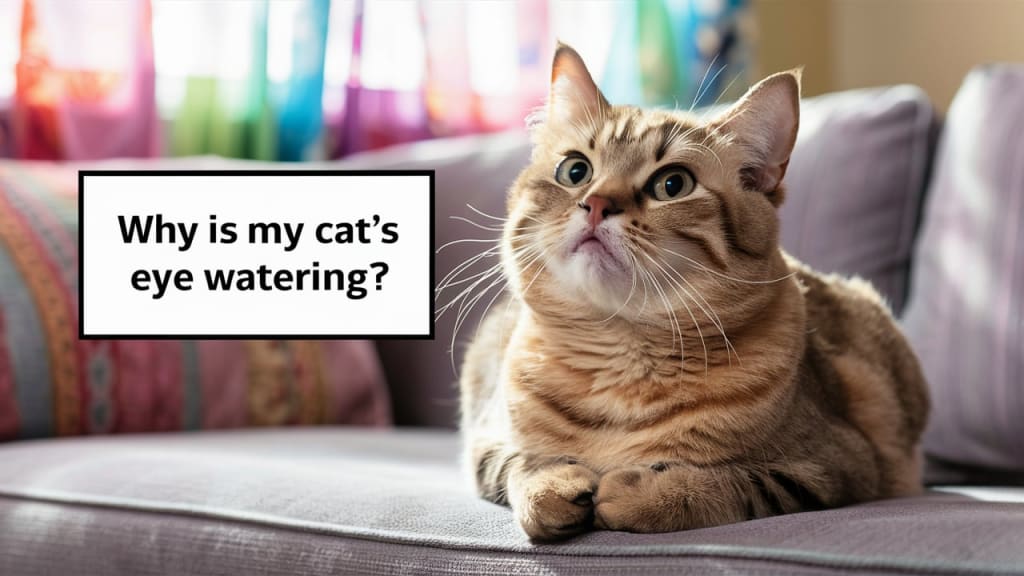
Cats are mysterious creatures. They can be playful, cuddly, and sometimes a little sneaky. But when something seems wrong, like a watery eye, it can make any cat owner worry. Why is my cat’s eye watering? Is it something serious? Or is it just a little irritation? Let’s dive into the secrets behind your cat’s watery eyes and uncover the truth!
Chapter 1: The Mystery of the Watery Eye – What’s Going On?
What Does a Watery Eye Look Like?
When your cat’s eye is watering, you might notice tears or a clear liquid dripping from one or both eyes. Sometimes, the eye might look red, swollen, or even half-closed. Your cat might squint or paw at their eye, trying to make it feel better.
Why Do Cats’ Eyes Water?
Just like humans, cats can have watery eyes for many reasons. Some are simple, like dust or a tiny hair in the eye. Others can be more serious, like an infection or injury. Let’s explore the most common reasons why your cat’s eye might be watering.
Chapter 2: Common Reasons for Watery Eyes in Cats
1. Dust or Dirt in the Eye
Sometimes, your cat’s eye might water because of something small, like dust or dirt. Cats love to explore, and they can easily get something in their eye while playing or digging.
What to Do:
- Gently wipe your cat’s eye with a clean, damp cloth.
- If the watering doesn’t stop, call your vet.
2. Allergies – The Sneaky Culprit
Did you know cats can have allergies too? Pollen, mold, or even certain foods can make your cat’s eyes water.
Signs of Allergies:
- Sneezing
- Itchy skin
- Watery eyes
What to Do:
- Try to find out what’s causing the allergy.
- Keep your home clean and free of dust.
- Ask your vet about allergy medicine for cats.
3. Eye Infections – The Invisible Enemy
Bacteria or viruses can cause eye infections in cats. These infections can make your cat’s eye water, turn red, or even produce goopy discharge.
Signs of an Eye Infection:
- Red or swollen eyes
- Goopy or brown discharge
- Squinting or keeping the eye closed
What to Do:
- Take your cat to the vet. They might prescribe eye drops or ointment.
4. Scratches or Injuries – Ouch!
Cats are curious and can sometimes hurt their eyes while playing or fighting with other animals. A scratch on the eye can cause watering and pain.
Signs of an Injury:
- Watery eye
- Squinting
- Pawing at the eye
What to Do:
- Don’t try to treat it yourself. Take your cat to the vet right away.
5. Blocked Tear Ducts – The Hidden Problem
Tear ducts are tiny tubes that drain tears from the eyes. If these tubes get blocked, your cat’s eye might water a lot.
Signs of Blocked Tear Ducts:
- Constant tearing
- Stains around the eye
- No redness or swelling
What to Do:
- Your vet can check for blocked tear ducts and help clear them.
Chapter 3: When to Worry – Serious Eye Problems
1. Glaucoma – The Silent Threat
Glaucoma is a serious eye condition that can cause pain and vision loss. It happens when there’s too much pressure inside the eye.
Signs of Glaucoma:
- Watery eye
- Cloudy or red eye
- Enlarged eye
What to Do:
- This is an emergency! Take your cat to the vet immediately.
2. Conjunctivitis – The Pink Eye Problem
Conjunctivitis, also known as pink eye, is an inflammation of the eye’s outer layer. It can make your cat’s eye water, turn red, and feel itchy.
Signs of Conjunctivitis:
- Red or swollen eye
- Watery or goopy discharge
- Squinting
What to Do:
- Your vet can prescribe eye drops or ointment to treat it.
3. Corneal Ulcers – The Painful Sore
A corneal ulcer is a sore on the eye’s surface. It can be very painful and cause your cat’s eye to water.
Signs of Corneal Ulcers:
- Watery eye
- Squinting
- Cloudy or red eye
What to Do:
Take your cat to the vet. They might need special eye drops or surgery.
Chapter 4: How to Help Your Cat at Home
1. Keep the Eye Clean
Use a clean, damp cloth to gently wipe away any discharge or tears. Be very gentle so you don’t hurt your cat’s eye.
2. Prevent Scratching
If your cat is pawing at their eye, try using a cone collar to stop them from scratching.
3. Monitor Your Cat
Keep an eye on your cat’s symptoms. If they get worse or don’t improve, call your vet.
Chapter 5: When to Call the Vet
- Sometimes, a watery eye can be a sign of a serious problem. Call your vet if:
- Your cat’s eye is red, swollen, or painful.
- There’s a lot of discharge or goop.
- Your cat is squinting or keeping the eye closed.
- The watering doesn’t stop after a day or two.
Chapter 6: Preventing Watery Eyes in Cats
1. Keep Your Home Clean
Dust and dirt can irritate your cat’s eyes. Regularly clean your home to keep it free of allergens.
2. Check for Injuries
After your cat plays or goes outside, check their eyes for scratches or dirt.
3. Visit the Vet Regularly
Regular check-ups can help catch eye problems early before they get serious.
Chapter 7: The Emotional Side – How Your Cat Feels
Cats can’t tell us when they’re in pain, but they show it in other ways. If your cat’s eye is watering, they might feel scared or uncomfortable. Give them extra love and care to help them feel better.
Chapter 8: Fun Facts About Cat Eyes
- Cats have a third eyelid called a “haw” that helps protect their eyes.
- Cats can see in the dark six times better than humans!
- A cat’s eyes are so sensitive that they can detect even the smallest movements.
Conclusion: Your Cat’s Eyes Are Precious
Your cat’s eyes are not just beautiful – they’re also a window to their health. If you notice your cat’s eye watering, don’t ignore it. Pay attention to the signs, and if something seems wrong, call your vet. With a little care and attention, you can help keep your cat’s eyes bright and healthy for years to come!
By following this guide, you’ll be ready to solve the mystery of your cat’s watery eyes and give them the care they need. Remember, your cat depends on you to keep them safe and healthy – so keep an eye on those eyes!
FAQs About Your Cat’s Watery Eyes – Easy Answers for Cat Lovers
Here are some simple answers to common questions about your cat’s watery eyes. These answers are written so even a second-grader can understand them!
1. Should I Be Worried If My Cat’s Eye Is Watering?
Answer:
Sometimes, a watery eye is no big deal. It could just be dust or a little dirt in your cat’s eye. But if the watering doesn’t stop, or if your cat’s eye looks red, swollen, or goopy, it might be something serious. Watch for these signs:
- Squinting or keeping the eye closed
- Redness or swelling
- Goopy or brown discharge
- Sneezing or coughing
If you see any of these, it’s time to call the vet. Better safe than sorry!
2. How Do You Fix a Leaky Cat’s Eye?
Answer:
Fixing a leaky cat’s eye depends on what’s causing it. Here’s what you can do:
- If it’s dust or dirt: Gently wipe your cat’s eye with a clean, damp cloth.
- If it’s an infection: Your vet might give you special eye drops or ointment.
- If it’s allergies: Try to find out what’s causing the allergy and keep your home clean.
If you’re not sure what’s causing the leaky eye, take your cat to the vet. They can figure it out and help your cat feel better.
3. What Does It Mean If One Eye Keeps Watering?
Answer:
- If only one eye is watering, it could mean:
- Something is stuck in the eye, like dust or a tiny hair.
- The eye is scratched or hurt.
- There’s an infection in just that one eye.
Keep an eye on your cat (pun intended!). If the watering doesn’t stop or if the eye looks red or swollen, call the vet.
4. How Do I Get Rid of My Cat’s Runny Eyes?
Answer:
Here’s how you can help your cat with runny eyes:
- Keep the eye clean: Use a clean, damp cloth to gently wipe away tears or goop.
- Check for dirt: Look closely to see if there’s something stuck in the eye.
- Visit the vet: If the runny eyes don’t get better, your vet can check for infections, allergies, or other problems.
Remember, never use human medicine on your cat unless the vet says it’s okay.
About the Creator
Shane Watson
My name is Shane Watson and I am a writer who loves sharing insights through engaging and informative articles. With a keen interest in pets I enjoys exploring topics that help pet owners better understand and care for their pets
Keep reading
More stories from Shane Watson and writers in Petlife and other communities.
Can Dogs Have Catnip?
Have you ever wondered if your dog can enjoy catnip just like your cat does? Catnip is famous for making cats go wild, but what about dogs? Can dogs have catnip? Is it safe? Will they react the same way? In this article, we will explore everything you need to know about dogs and catnip. We’ll answer all your questions, like: Can dogs have catnip toys? Can dogs have catnip treats? And even, can dogs have catnip tea? Let’s dive into this fascinating topic and uncover the secrets of catnip and dogs!
By Shane Watson12 months ago in Petlife
The Politics of Playing Dress-Up
Well, to start off I'd like to say a happy world book day to all who celebrate. I know I haven't really posted anything on my socials about it but I'm not a jubilant kind of person. I lay low most of the time. Let's start off with a popular anecdote from the vaults...
By Annie Kapur3 days ago in Geeks



Comments
There are no comments for this story
Be the first to respond and start the conversation.