
Why Do Pets Need Extra Care in Winter?
How Cold Weather Impacts Our Pets


Why Do Pets Need Extra Care in Winter?
Winter brings a magical transformation to the world, with frosty mornings, chilly breezes, and sometimes snow-covered landscapes. However, as we bundle up to face the cold, we must remember that our pets also need extra care during this season. Winter can pose unique challenges to their health and comfort, and understanding these challenges is the first step to ensuring their well-being.
How Winter Affects Pets
Like humans, pets feel the effects of colder temperatures, but their experience differs based on their species, breed, size, age, and coat type. While some animals, like Huskies, are built to thrive in cold weather, others, like Chihuahuas or short-haired cats, struggle to stay warm. Even pets with thick fur can face issues during extreme colds.
Key Ways Winter Impacts Pets:
Temperature Regulation: Many pets, especially small or short-haired animals, are less able to regulate their body temperature in the cold.
Dry Skin and Paws:
The cold, dry air and indoor heating can cause itchy, flaky skin and cracked paw pads.
Decreased Activity: Shorter days and harsher weather often lead to less exercise, which can result in weight gain and boredom.
Increased risk of illness:
Cold weather can weaken the immune system, making pets more vulnerable to illnesses like colds or respiratory infections.
1. The Importance of Warmth
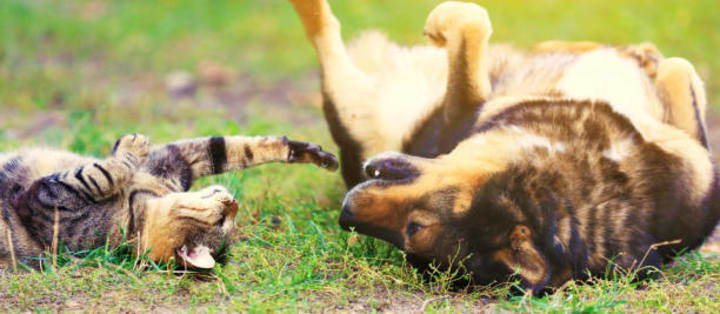
One of the biggest challenges for pets in winter is staying warm. While their fur offers some insulation, it’s not always enough. Pets can suffer from hypothermia or frostbite if exposed to freezing temperatures for too long.
Signs Your Pet Is Cold:
Shivering or trembling. Tucking their tail close to their body. Curling up tightly when lying down. Seeking warm places, like under blankets or near heaters.
To keep your pet warm:
Provide a cosy bed in a draft-free area. Use blankets or pet-safe heating pads. Dress them in a coat or jumper if they have short fur or are small in size.
2. Nutrition and Hydration
Pets burn more calories in winter as they use extra energy to maintain their body temperature. Adjusting their diet to meet these needs is vital, especially for active or outdoor pets.
Tips for Proper Nutrition in Winter:
Provide High-Quality Food: Choose nutrient-rich food that supports their energy levels and immune system. Monitor Weight: Keep an eye on their weight to ensure they’re not overeating or undereating.
Ensure Hydration:
Pets can get dehydrated in winter, so make sure their water bowls are always filled with fresh, unfrozen water.
3. Protecting Their Paws
Winter can be tough on your pet’s paws. Snow, ice, and road salt can irritate their paw pads or cause cracks and sores.
Steps to Protect Paws:
Use Pet Booties: These can shield their paws from cold and harmful chemicals.
Apply Paw Balm:
A protective balm can prevent dryness and cracking.
Rinse After Walks:
Wash their paws after outdoor trips to remove salt, ice, or grit.
4. Keeping Them Active

Many pets become less active in winter, which can lead to weight gain, boredom, and even behavioural problems. Regular exercise is essential for their physical and mental health.
Ways to Keep Pets Active:
Take shorter but more frequent walks during the warmest parts of the day. Play indoor games, such as fetch or hide-and-seek. Use interactive toys or puzzle feeders to keep their minds engaged.
5. Special Care for Older Pets
Winter can be particularly hard on older pets, especially those with arthritis or other joint issues. The cold weather can worsen stiffness and discomfort, making movement more difficult.
How to Help Senior Pets:
Provide a warm, comfortable place to rest, away from cold floors or drafts. Consider using a heated pet bed or blanket. Keep them active with gentle exercise to maintain joint flexibility. Speak to your vet about supplements or medications for joint health.
6. Preventing Illness
Cold weather increases the risk of illnesses for pets, including colds, respiratory infections, and even more severe conditions like hypothermia. Pets with weakened immune systems, such as puppies, senior animals, or those with chronic health issues, are particularly vulnerable.
How to Keep Your Pet Healthy:
Keep their vaccinations up to date. Dry them thoroughly after walks in wet or snowy conditions. Avoid exposing them to cold winds or freezing rain. Limit outdoor time during extreme weather.
7. Indoor Safety During Winter

While keeping your pet warm indoors is essential, it’s also important to make your home safe for them. Winter often involves using heaters, fireplaces, or space heaters, which can pose risks to curious pets.
Tips for Indoor Safety:
Keep Heating Devices Out of Reach: Place heaters in areas where your pet cannot accidentally knock them over or get too close.
Avoid toxic plants:
Some winter plants, like poinsettias, are toxic to pets if ingested. Check for Drafts: Ensure there are no cold spots in the house where your pet might feel uncomfortable.
8. Breeds and Individual Needs
Different pets have different needs in winter. Understanding your pet’s breed and individual characteristics can help you tailor their care.
Pets that need special care:
Small breeds: Small pets lose body heat faster and often need more warmth.
Short-haired breeds:
Short-haired dogs and cats, such as greyhounds or Siamese cats, benefit from coats or sweaters. Outdoor pets: Pets that live outside, such as rabbits or guinea pigs, need insulated shelters and plenty of bedding.
9. Social and emotional well-being
Winter can sometimes limit your pet's social interaction and stimulation, leading to boredom or stress. Keeping them mentally occupied is just as important as providing them.
Physical care. Ways to keep them happy:
Spend quality time playing or cooking with your pet. Rotate toys to keep them interested. Organize indoor playtime if they are social with other animals.
10. When to Seek Professional Help
Sometimes, despite our best efforts, pets can show signs of distress or illness in the winter. Knowing when to seek veterinary advice is essential. Signs to watch for: Persistent tremors or lethargy. Difficulty breathing or coughing. Sudden changes in appetite or weight. Dry, cracked skin or paw pads that do not heal. If you notice any of these signs, consult your veterinarian immediately for advice. Conclusion Winter can be a difficult season for pets, but with the right care and attention, they can stay healthy, comfortable, and happy.
To understand their unique needs during the cold months, you can provide them with the extra care they deserve. After all, our furry friends rely on us to keep them safe and warm, and the love and effort we invest in their well-being are always rewarded with their loyalty and affection. Whether it’s a warm sweater, a cozy bed, or a few extra cuddles by the fire, every little bit helps make winter a season of joy for your pet!
Remember that their comfort and happiness are closely linked to the attention we give them. Some simple steps Adapting to the season can go a long way in protecting their health and maintaining their mood. So, with the cold months approaching, make your pet’s winter care a priority. By doing so, you’ll not only ensure that they survive the cold, but they’ll thrive in the warmth of your love and care. Together, you can create a season filled with comfort, joy, and the precious bond you share. Together, you can create a season full of comfort, joy, and the precious bond you share.
About the Creator
Mirza Afzal Baig
I'm Mirza Afzal Baig, and I'm here to sprinkle a bit of magic on your reading experience. As an avid explorer of words, I've embarked on a journey to share stories, insights, and perspectives that will captivate your imagination.
Keep reading
More stories from Mirza Afzal Baig and writers in Petlife and other communities.
The Trip Of Individual Development
Embracing the journey of self-improvement In the mission for self-improvement, one ought to embrace the trip rather than the goal. It’s a sluggish course of improvement and improvement, where little advances plan for gigantic change. Each decision and action, paying little mind to how superfluous, adds to the headway of oneself.
By Mirza Afzal Baigabout a year ago in Motivation
Dogs in the life of composers
If you have a pet, you will surely agree: as soon as we take responsibility for someone – be it a cat, a dog, a ferret, a parrot, a horse, anyone! – these creatures become an important part of our lives, whether we want it or not.
By Ilya Baranovabout 21 hours ago in Petlife
📢 Raise Your Voice Thread: 03/05/2026
Our “Raise Your Voice Threads” are hosted most alternating Thursdays at 12PM ET to offer creators more avenues to uncover exceptional stories on Vocal. As we are continuously searching for fresh creators and inspiring stories, this thread provides an opportunity to exchange and discuss the stories that have moved and motivated us on Vocal.
By Raise Your Voice by Vocal4 days ago in Resources




Comments
There are no comments for this story
Be the first to respond and start the conversation.