
Why Do Cats Run Away? Common Reasons and How to Prevent It.
Understanding Feline Behavior and What to Do If Your Cat Gets Lost
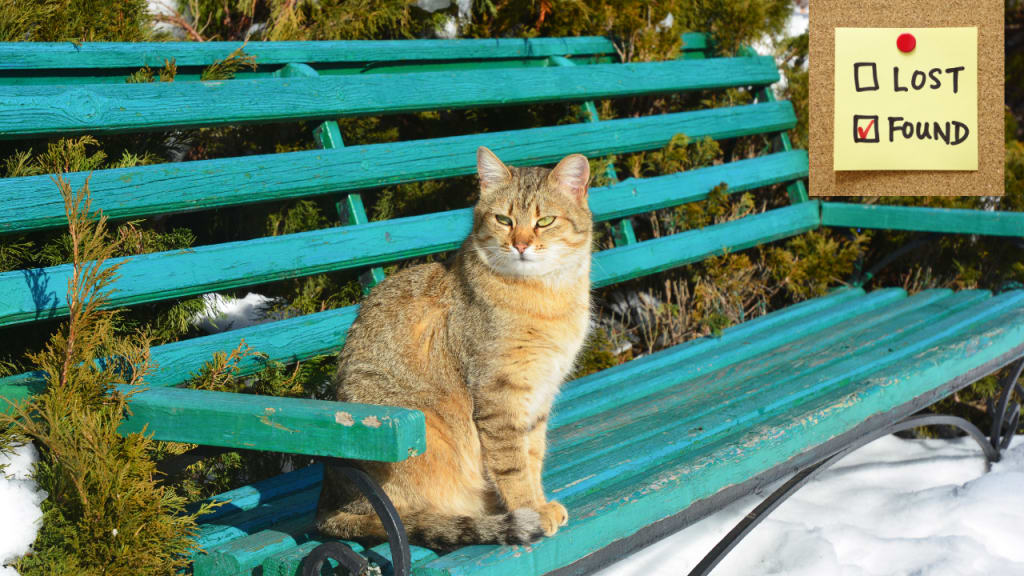
Cats are independent and curious creatures, but it can be heartbreaking when they run away and don’t return home. Whether it’s due to stress, fear, or simply their natural instincts, there are several reasons why cats might leave their familiar environment. Follow me as we delve deeper to find out the most common reasons cats run away, how to prevent it, and what steps to take if your cat goes missing.
1. Stress at Home
Cats are creatures of habit, and even small changes in their environment can cause significant stress. Events like the arrival of a new pet, a new family member, loud noises from renovations, or even conflicts at home can make your cat feel unsafe. Cats may seek refuge elsewhere when they become too stressed. It’s important to maintain a calm and stable environment for your cat, ensuring they feel secure at home.
2. Fear
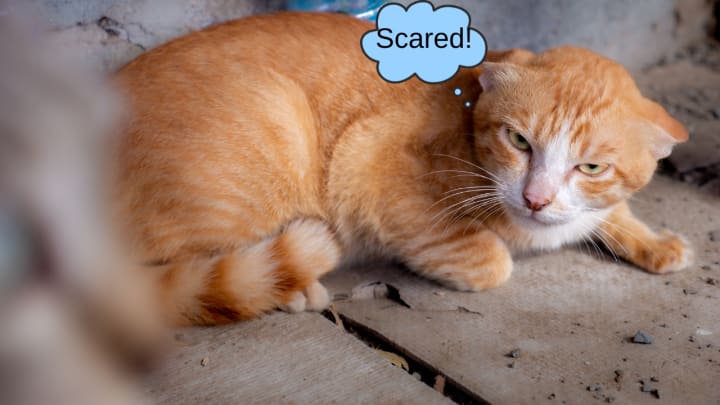
Cats are highly sensitive animals, and fear is a major reason they may run away. Common triggers include loud thunderstorms, fireworks, or a neighborhood dog. When frightened, a cat’s natural instinct is to flee to safety. Try to avoid scaring your cat on purpose, as what might seem like harmless fun can be traumatic for them. Creating a safe and quiet space at home can help reduce your cat's anxiety.
3. Hunting Instinct
Cats are natural hunters, and their instinct to chase and catch prey can lead them far from home. Young cats, in particular, are more prone to exploring as they have higher energy levels and curiosity. While you can’t completely suppress their hunting instincts, you can engage your cat with toys and activities at home to help satisfy their need for stimulation and adventure.
4. Looking for a Mate
Unneutered cats often feel the urge to roam in search of a mate, especially during their reproductive cycle. Both males and females will venture far from home in pursuit of a partner. Spaying or neutering your cat will significantly reduce their desire to escape and wander off in search of a mate.
5. Curiosity
Cats are curious by nature, and their explorations can sometimes lead them into unfamiliar territory. A curious cat might chase a butterfly, investigate a noise, or follow a new scent, only to find themselves lost. If your cat enjoys exploring, consider using a GPS collar to track their whereabouts and ensure they don’t wander too far.
6. Living a Double Life

It’s possible that your cat is leading a double life with another family. If your cat disappears at certain times but always returns home as if nothing happened, they might be receiving attention, food, or shelter from someone else nearby. A collar with identification will help others know that your cat already has a loving home.
7. Feelings of Abandonment
Although cats are independent, they still need attention and affection. If left alone for long periods or if they don’t receive enough interaction, a cat may seek companionship elsewhere. Regular playtime and bonding moments with your cat can strengthen your relationship and keep them from looking for love outside the home.
8. Territorial Expansion
Cats are territorial animals, and they may feel the need to expand their territory beyond the confines of your home. This behavior is particularly common in unneutered male cats who want to establish dominance in the neighborhood. Neutering your cat can reduce this behavior and encourage them to stay closer to home.
9. Unmet Basic Needs
If your cat’s basic needs—like a clean litter box, food, and attention—aren’t being met, they may decide to look elsewhere for comfort. A dirty or poorly placed litter box can cause your cat to feel unwelcome, leading them to leave. Ensure your cat has a clean, comfortable space and receives the attention they need to feel secure at home.
10. Unintentional Displacement
Sometimes, cats accidentally find themselves in unfamiliar places. A cat might fall asleep in a vehicle or climb into a moving truck, only to wake up far from home. Additionally, if you’ve recently moved, your cat may try to return to its previous home, following familiar smells and sights. It's important to keep your cat indoors or supervised during moves to prevent them from wandering off.
11. Physical Discomfort
If your cat suddenly starts wandering away when this behavior is unusual for them, it could be a sign of physical discomfort or illness. Cats often hide their pain, but when they feel unwell, they may seek out a quiet, secluded place to recover. Older cats or those with health problems like dementia can also become confused and lost. Regular veterinary checkups can help catch potential health issues early.
How Cats Find Their Way Home
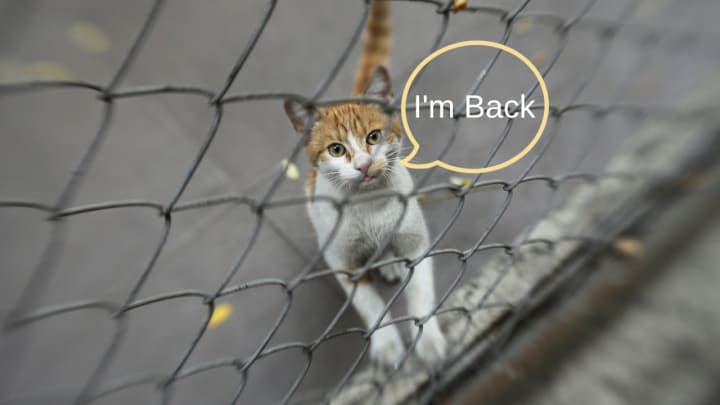
Cats have remarkable methods of finding their way back home, even when lost. Their keen sense of smell helps them follow familiar scents, while their excellent spatial memory allows them to navigate using landmarks and mental maps of their surroundings. Cats also rely on visual cues and sounds, such as their owner’s voice, to guide them back to safety. GPS collars can be a helpful tool for tracking your cat’s movements and ensuring their safe return if they get lost.
Steps to Take if Your Cat Gets Lost
If your cat goes missing, don’t lose hope. Many cats return home on their own, especially if they have been well cared for. Here are a few steps you can take:
• Search the immediate area and call your cat by name.
• Notify your neighbors and ask them to check their garages or sheds.
• Use social media to spread the word and check with local shelters.
• Leave food and water outside your home to encourage your cat’s return.
• Consider using a geo-location device to monitor your cat’s movements in the future.
Conclusion
Understanding the reasons why cats wander off can help you create a safer, more comfortable environment for them at home. By addressing factors like stress, fear, and unmet needs, you can reduce the likelihood of your cat running away. If your cat does go missing, their strong sense of smell and navigation skills often lead them back home. With the right precautions, you can ensure your cat stays happy, healthy, and safe within your care.
About the Creator
Keep reading
More stories from Grace Kimani and writers in Petlife and other communities.
How to Achieve Financial Independence by 40: The FIRE Movement Explained
The dream of achieving financial independence and retiring early has gained significant traction in recent years, largely thanks to the Financial Independence, Retire Early (FIRE) movement. This lifestyle approach focuses on saving aggressively, living frugally, and making smart investments to gain financial freedom, often by age 40. But what exactly is the FIRE movement, and how can you implement it in your life? Here’s a detailed guide to understanding the principles of FIRE and how you can work toward financial independence by 40.
By Grace Kimaniabout a year ago in Lifehack
The Summer I Was Chosen by a Northern Mockingbird
During the long, suspended days of the pandemic, a wild mockingbird began visiting my driveway and chose me, again and again. What started as a strange encounter became a brief, meaningful connection that I still carry with me.
By Erica Roberts 10 days ago in Petlife
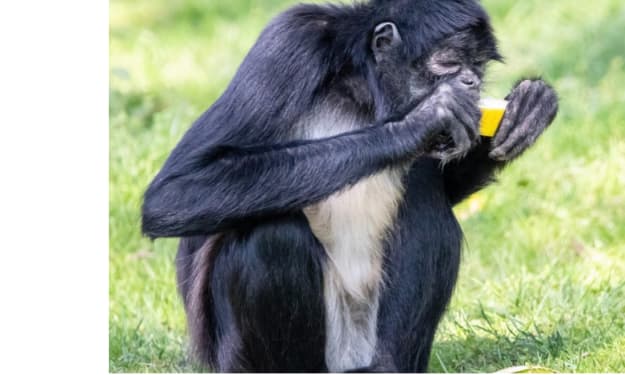
To locate food, spider monkeys employ collective intelligence.
It's difficult to find fruit in a tropical forest. Throughout the seasons, fruit trees come and go, and their places frequently shift. Due to their heavy reliance on fruit, spider monkeys must search wisely in order to succeed.
By Francis Dami3 days ago in Petlife



Comments (1)
well done