
Why Dental Instrument Knowledge is Crucial For Every Veterinary Professional
Mastering Dental Tools for Safer Procedures, Better Patient Care, and Professional Growth in Veterinary Practice

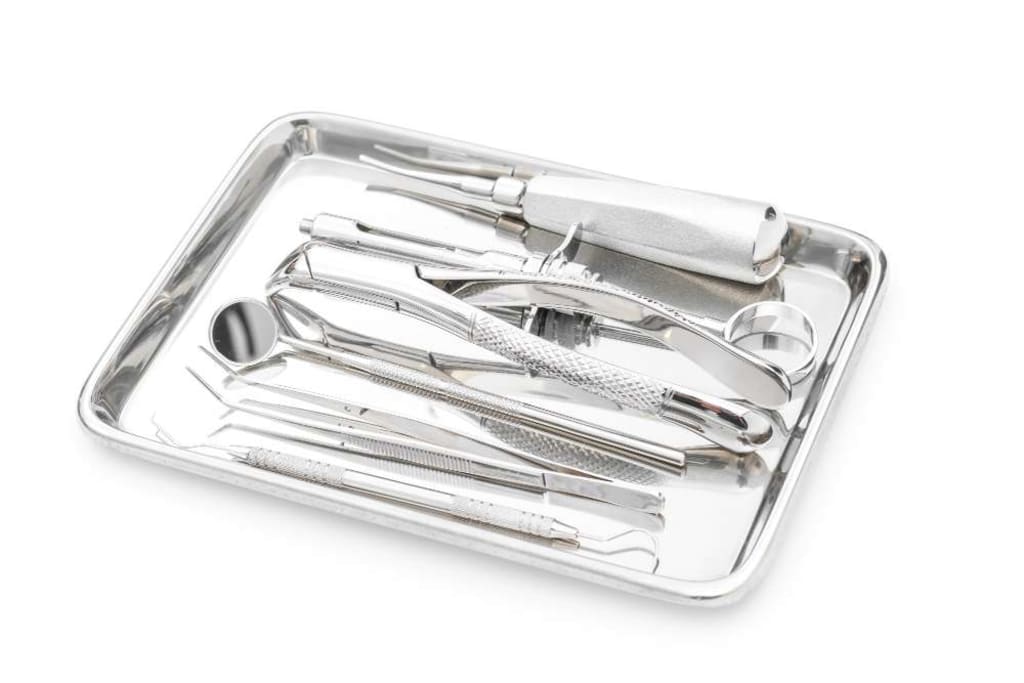
When it comes to our furry buddies’ happiness and well-being, oral health is often forgotten, but it shouldn’t be. By age 3, most cats and dogs experience a dental disease, and veterinary professionals sit at the frontline of prevention and treatment.
This is where proper knowledge of dental instruments becomes essential, not only for performing procedures but also for ensuring safer, more efficient, and more compassionate care.
Whether you are a veterinarian, technician, or assistant, it is essential to understand dental procedures and equipment, as they impact patient outcomes. Ongoing training helps the veterinary teams to stay up to date with the latest knowledge and information about dental instruments and procedures.
The best part? Continuing education does not have to be expensive or time-consuming. Many online veterinary events are working to remove barriers to access veterinary dental CE, like the upcoming VSN Expo 2025, which is focused on learning how to use dental instruments.
These events make it easier than ever to enhance your skills while lowering your expenses with free CE for veterinarians and their teams.
In this article, we will explore the importance of dental instruments and their proper use for veterinary professionals. We will also dig into the significance of ongoing training and education in keeping veterinarians up to date with the latest tools and their applications.
So, continue reading to delve into further details.
Dental Instruments: More Than Tools; They're Game Changers
If you’ve ever fumbled with the wrong instrument mid-procedure or felt unsure about how to use a luxator versus an elevator, you’re not alone. Dental instruments can be tricky, and using them appropriately can make or break the success of a procedure.
Learning the nuances of common tools from scalers and curettes to root tip picks and extraction forceps helps avoid complications like fractured roots or soft tissue trauma. Moreover, it builds confidence in the entire dental team.
Think of dental instruments as an extension of your skill set. The better you know them, the better care you can provide. Hence, the dental instrument knowledge is of great importance for every veterinary professional.
Just as mastering the use of dental instruments is essential, so is understanding the collaborative dynamic behind every successful dental procedure.
The Role Everyone Plays in Veterinary Dentistry
Veterinary dental procedures are often a team effort. The veterinary technicians and veterinary hygienists are key players and have a large role in the process. They typically scale, take dental radiographs, or assist with surgical extractions. Therefore, veterinary technicians and veterinary hygienists have to be as proficient in dental instrumentation as veterinarians.
Veterinary dental professionals must possess a comprehensive understanding of dental procedures and the application of dental surgical tools. Veterinary technicians are more effective when they have a thorough knowledge of dental anatomy and their associated instruments. In such a case, they can work more independently and can produce efficient results. It enhances the overall procedure, making it smoother and more efficient. It also reduces any potential risks.
Continuing education for the whole team is an important financial investment. It will greatly improve the outcome and help alleviate the stress of keeping up with new medical procedures and equipment over the course of time.
Empowering the dental team is one part of the equation. The main part is making sure that the veterinarians understand the significance of oral wellness, starting in the exam room.
Start The Dental Conversation Early
There is a lot to think about when it comes to dental health, and importantly, conversations about it don’t have to happen in a surgery room. They start during the routine physical exam. A standard oral exam at every physical routine check will help identify and address dental issues early. It provides an opportunity to apply your dental anatomy and instrumentation knowledge to address the problem effectively.
Early identification of dental disease is important. Knowing which instruments may be needed later is also key. This highlights why every member of the veterinary dental team must be familiar with dental instruments.
Take a look at the recent blog post ‘ Dentistry in the Exam Room’. It covers practical tips for including dentistry in the general veterinary practice.
Identifying oral issues in the beginning is helpful. It leads to effective treatments on time. But effective treatments require skillful training. That’s how the VSN expo comes in.
Don’t Miss Out: Join The VSN Expo
Are you ready to join the VSN Expo 2025? As we know, dentistry is no longer a niche service; it is a core part of comprehensive veterinary care. As dental cases in pets become more common, your comfort with tools, techniques, and treatment planning makes all the difference in providing the appropriate treatment. Continued education is the bridge between recognizing dental problems and confidently treating them, and there’s no better opportunity than the VSN Expo to build that bridge.
Ready to improve your dental skills?
Sign up for the Veterinary Shopping Network (VSN) Expo, earn free CE, and learn from the best people in the veterinary industry, all from the comfort of your home and clinic. You will walk away with real skills, not just CE hours. Your patients will thank you with happier, healthier smiles!
Frequently Asked Questions
Why is veterinary dentistry important?
Dental disease is a painful and progressive problem that will ultimately result in tooth loss and infections over time, both in the mouth and possibly cause systemic disease involving the heart, liver, or kidney systems. Treating the dental issue earlier rather than later can improve overall oral health and quality of life in pets.
What is the role of veterinary technicians and hygienists in veterinary dentistry and oral surgery?
Technicians and hygienists are invaluable members of the team; they assist during dental procedures, take radiographs, scale teeth, monitor for anesthesia, maintain equipment, and perform many other duties. They receive appropriate training in dental instruments and techniques, enabling them to assist veterinarians and improve patient outcomes.
About the Creator
Dr.Charles Karen
I am Dr.Charles Karen, a dedicated Doctor of Veterinary Medicine (DVM) with a deep-rooted love for animals and an unwavering commitment to their well-being.
Keep reading
More stories from Dr.Charles Karen and writers in Petlife and other communities.
How Fast Can You Become a Veterinary Technician?
Becoming a veterinary technician is a rewarding career choice for animal lovers. If you’re wondering how long does it take to become a vet tech, the answer depends on your educational path, location, and certification process. Some programs can be finished in just two years. Others might take longer, depending on your schedule and career goals.
By Dr.Charles Karen11 months ago in Education
A Dart at Dusk
Seconds ago, the sullen sun set on the two of us… my exuberant furry companion and me. A fresh breeze embraces us, delivering welcome relief from the day’s oppressive heat. His typical stumbling and staggering along — apace with a sloth — has turned into trip-trapping, high-stepping, almost skipping along.
By Angie the Archivist 📚🪶4 days ago in Petlife


Comments
There are no comments for this story
Be the first to respond and start the conversation.