
What You Need to Know About Your Cat's Vaccines
A Quick Guide to What's In Your Cat's Vaccines

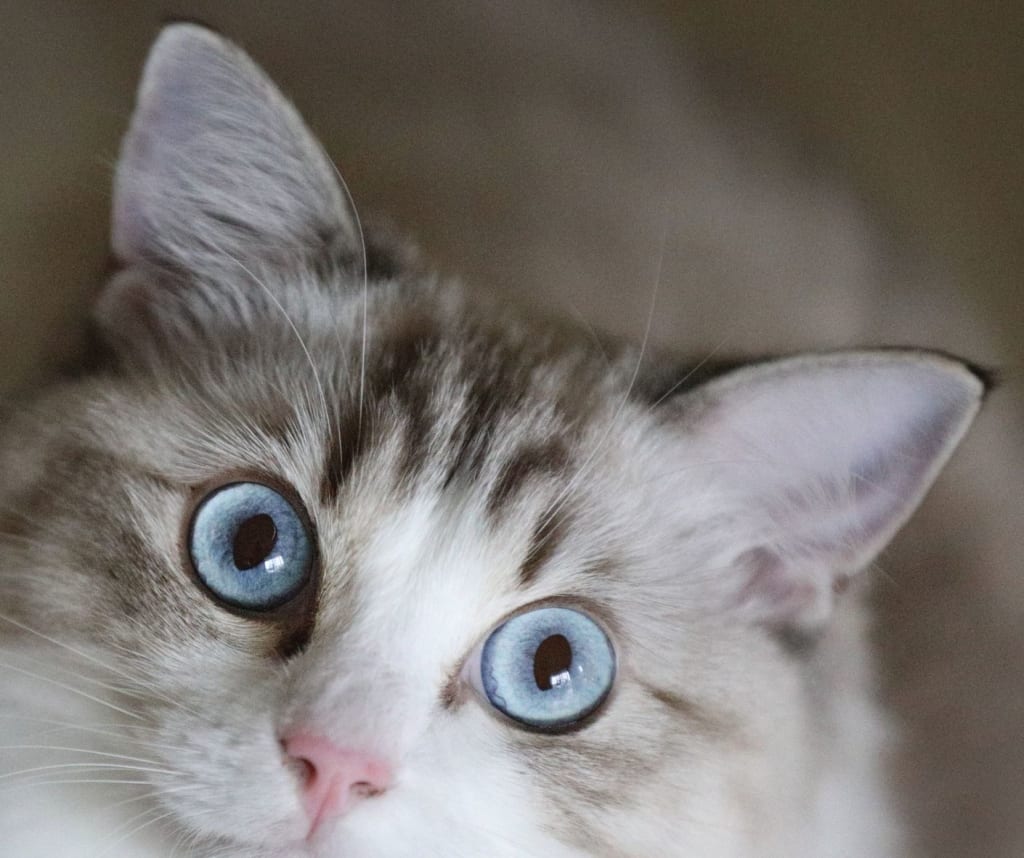
Most people don't want to take their cat to the veterinarian, yet it is an important way to keep your cat as healthy as possible. Not only will your veterinarian take a good look at your cat, he or she will also make sure that your cat is fully protected with vaccines.
While you don't want to over-vaccinate your cat, you also don't want to have to worry about him or her getting sick. You may be unsure about what vaccines you really need to give to your cat. You may not want to give any, since your cat doesn't even go outside. This can be quite confusing for many pet owners.
Here are some vaccines that your veterinarian may recommend for your cat.
Your cat needs to have a Rabies vaccine. This disease, which is caused by the rabies virus, affects the brain and central nervous system. It is transmitted by direct contact with saliva from an infected animal. This is usually through a bite.
The rabies vaccine is so important because it can affect humans also. It is also deadly! Many states require all cats to have a rabies vaccine to keep everyone healthy!
The distemper vaccine is a single vaccine that covers a variety of diseases. Its initials can help you remember all of the different diseases that a distemper vaccine prevents. FVRCP stands for:
- Feline viral rhinotracheitis (FVR) can be fatal to kittens and older cats. It makes cats sneeze and have a fever. Many cats show symptoms of runny noses and eyes. Cats who have FVR often lose their appetite.
- Feline calicivirus is a serious respiratory infection that is often seen with FVR. Cats will have nasal congestion and sneezing. Many cats also get painful ulcers in their mouth, which can also cause drooling. These cats often get a fever and just don't feel very well.
- Panleukopenia is a contagious disease that can be deadly for kittens. Signs include vomiting, diarrhea, fever, and depression.
Your veterinarian may also recommend other vaccines, depending on your cat's lifestyle (as well as what you want to do).
You may want to consider giving your cat a Feline Leukemia vaccine. This virus interferes with your cat's immune system, meaning that he or she won't be able to fight infection as well as normal. This disease is spread through saliva, urine, and blood. Cats get it by sharing food bowls, grooming, and bites.
If your cat is an outside cat, you should think about getting the leukemia vaccine in order to keep him or her as safe as possible.
Another disease that you may have to worry about with outside cats is Feline immunodeficiency virus (FIV). Unfortunately, there is no vaccine for this disease and no cure. Even worse, many cats that have FIV, also have feline leukemia.
Feline immunodeficiency virus is also transmitted through saliva. Biting, scratching, and fighting (which is common with outside cats) will spread this disease from cat to cat.

For this reason, you should check every new cat (and kitten) that you get for Feline Leukemia and FIV. This is not a death sentence anymore. Some of these cats can live healthy lives, as long as you take proper precautions. You will need to keep your cat inside and separate from all other cats. You won't be able to let him or her outside, because you will just help to spread these diseases.
The best way to make sure that your cat is fully vaccinated is to talk to your veterinarian. Let him or her know about your cat's risk factors (including how many cats are in the home and whether he or she ever goes outside)! Then, you can decide together which vaccines your cat really needs to have.
About the Creator
Shelley Wenger
Small town country girl in southern Pennsylvania. Raising two boys on a small farm filled with horses, goats, chickens, rabbits, ducks, dogs, and a cat. Certified veterinary technician and writer at Virtually Shelley.
Keep reading
More stories from Shelley Wenger and writers in Petlife and other communities.
Dog Park Etiquete
Many people love to take their dogs places. They love showing them off, as well as give them plenty of opportunities to run and play (like dogs)! For this reason, dog parks are becoming more popular. They are popping up all over the United States.
By Shelley Wenger4 years ago in Petlife
Off the Leash: The Essential Gear Guide for Adventurous Dogs
There’s something wildly freeing about unclipping the leash and letting your dog move the way they were built to. If you’re hiking in areas that truly allow off-lead exploration, your gear list shifts. No harness. No leash dragging through dust. Instead, it’s about smart, lightweight essentials that keep your dog safe, hydrated, and easy to manage when adventure gets messy. Long walks off lead are less about control and more about preparation.
By Shabbir Ahmad5 days ago in Petlife




Comments
There are no comments for this story
Be the first to respond and start the conversation.